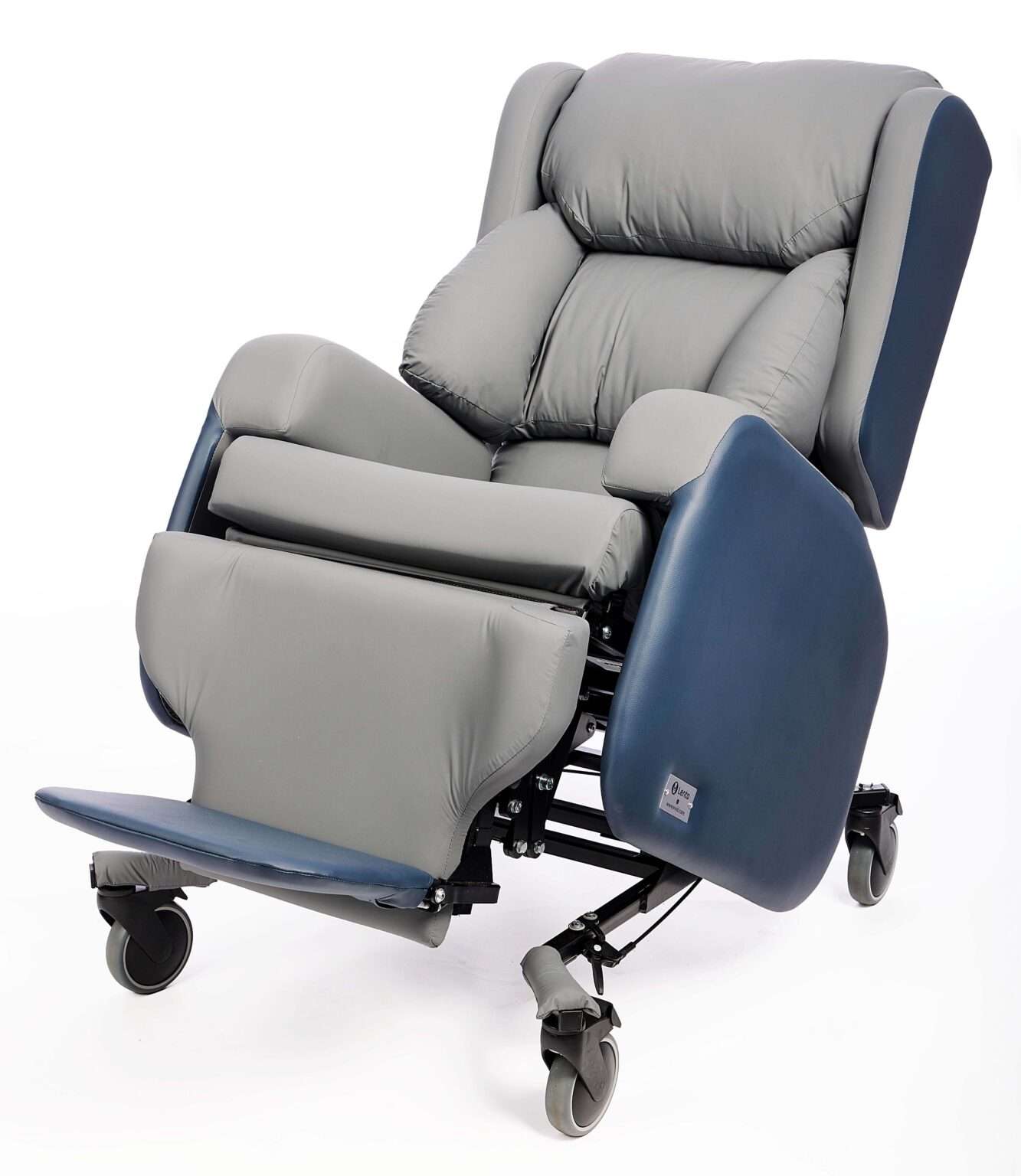
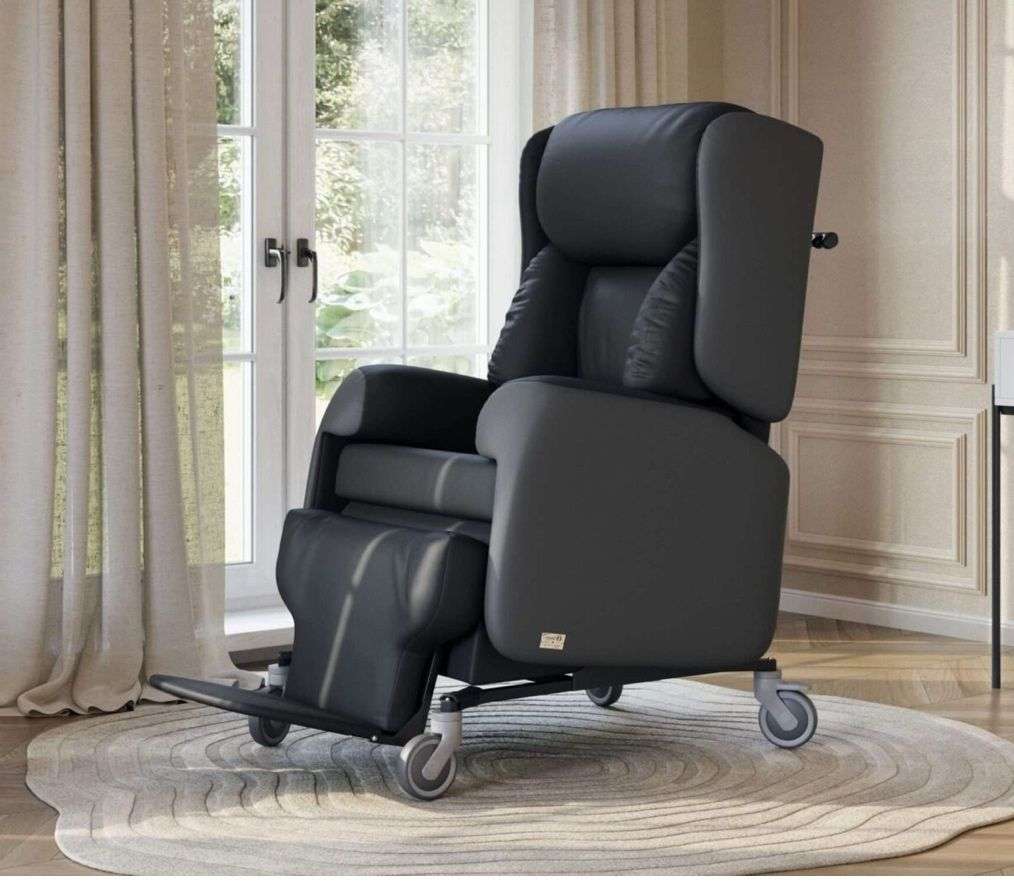
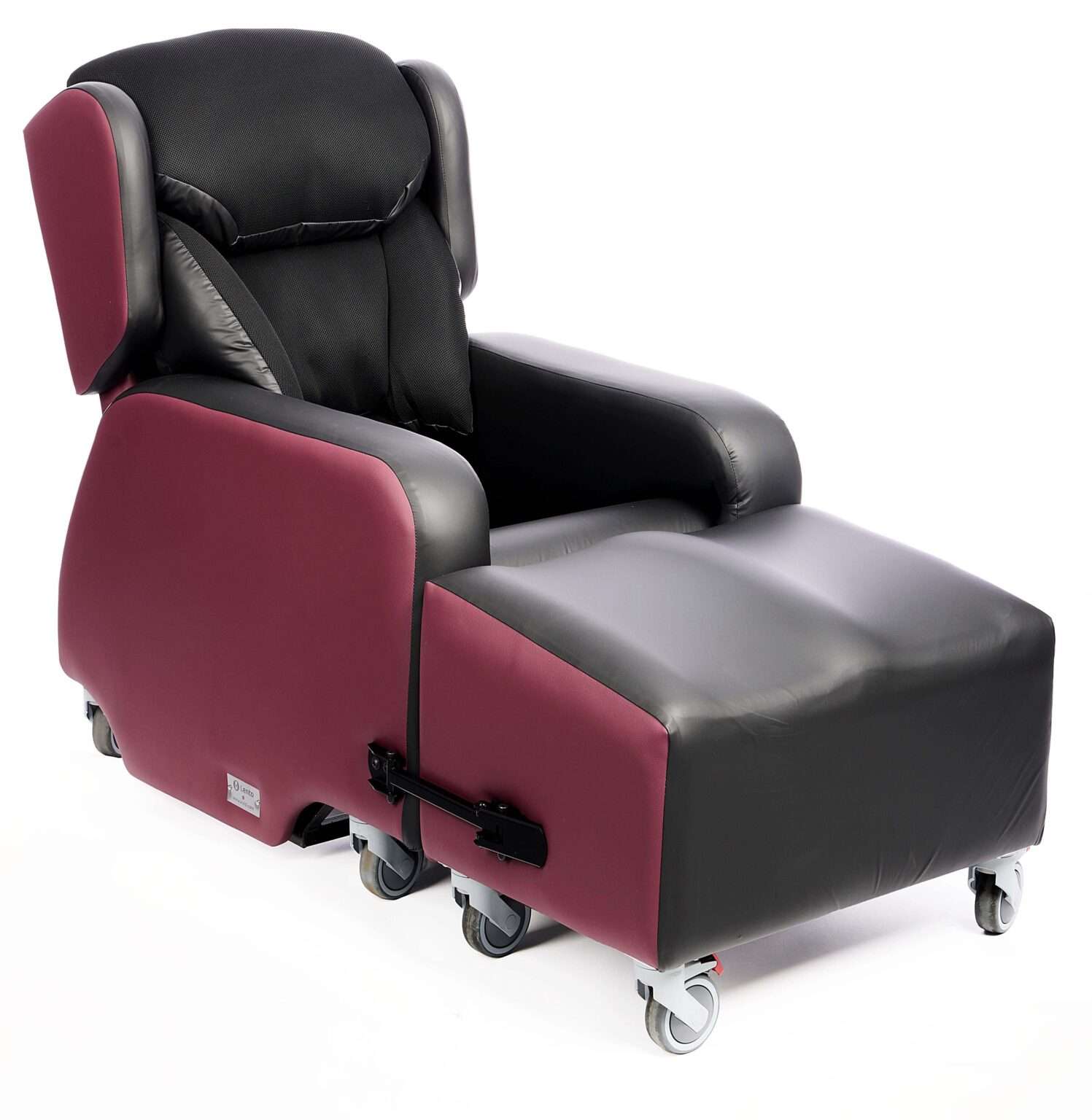
This case study is about the life-changing impact the Lento Care Chair had for a client struggling with MS symptoms. The transition from not being able to sit out for more than 30 minutes to sitting out for nearly 6 hours transformed Ian’s quality of life, with improved respiratory function and comfort.
Read on for the full story!
The Challenge
Ian (name changed), who lives with advanced Multiple Sclerosis, contacted us after struggling to find a seating solution that genuinely supported his breathing. Over time, Ian had developed significant respiratory fatigue linked to what is sometimes described as ‘MS Lung’; where weakened trunk and respiratory muscles, reduced chest wall movement, and poor posture combine to make breathing feel effortful.
When we first spoke, Ian described episodes of breathlessness while sitting, especially later in the day. He found that even small changes in position could trigger discomfort, chest tightness, or a sense that he “couldn’t get a full breath.”
He had already trialled five different chairs previously, but none had achieved the balance of postural stability, comfort, and respiratory support he needed. As a result, he was spending long periods in a position that encouraged a slumped posture, increasing fatigue and impacting daily activities such as eating, speaking, and engaging with family.
Ian required assistance for transfers and positioning, and his seating needed to work effectively for prolonged sitting, pressure care, and symptom management.
The Process
A home-based seating assessment was arranged so we could understand how Ian’s posture was affecting his breathing in real time, within the environment where he spends most of his day.
During the assessment we focused on:
- Pelvic position (posterior pelvic tilt contributing to collapse through the trunk)
- Trunk support and midline control (reducing effort and accessory muscle overuse)
- Head and neck alignment (supporting airway patency and reducing forward head posture)
- Seat-to-back angle and tilt (finding the “respiratory sweet spot” where Ian felt open through the chest without sliding or increasing tone/spasm)
- Fatigue patterns across the day and how positioning could support energy conservation
Based on Ian’s presentation, we selected a chair with a high level of adjustability and the ability to finely tune:
- Seat depth/width and back support to stabilise the pelvis and trunk
- Tilt-in-space to redistribute pressure without collapsing posture
- Backrest recline (used judiciously, avoiding positions that increased breathlessness)
- Arm support to reduce shoulder elevation and chest restriction
- Foot support to improve pelvic stability and reduce sliding/effort
During the session, we trialled positioning changes step-by-step and checked Ian’s comfort, ability to speak, perceived breathlessness, and visible work of breathing.
Book a Free Seating Assessment
The Result
Once correctly supported, Ian reported an immediate difference: he described feeling more “upright inside,” less compressed, and less panicky when breathing. With improved pelvic alignment and trunk support, he was able to maintain a more open chest position with less effort.
Key outcomes after set-up included:
- Reduced episodes of positional breathlessness
- Improved tolerance for sitting across the day
- Better comfort and stability, reducing the need for frequent repositioning
- Improved ability to engage in daily routines (meals, conversation, TV/computer use) with less fatigue
- Increased confidence for Ian and his family that his seating was actively supporting his respiratory comfort, not working against it
Ian also valued that the final solution was based on careful trial, measurable change, and individual response, rather than “one-size-fits-all.”
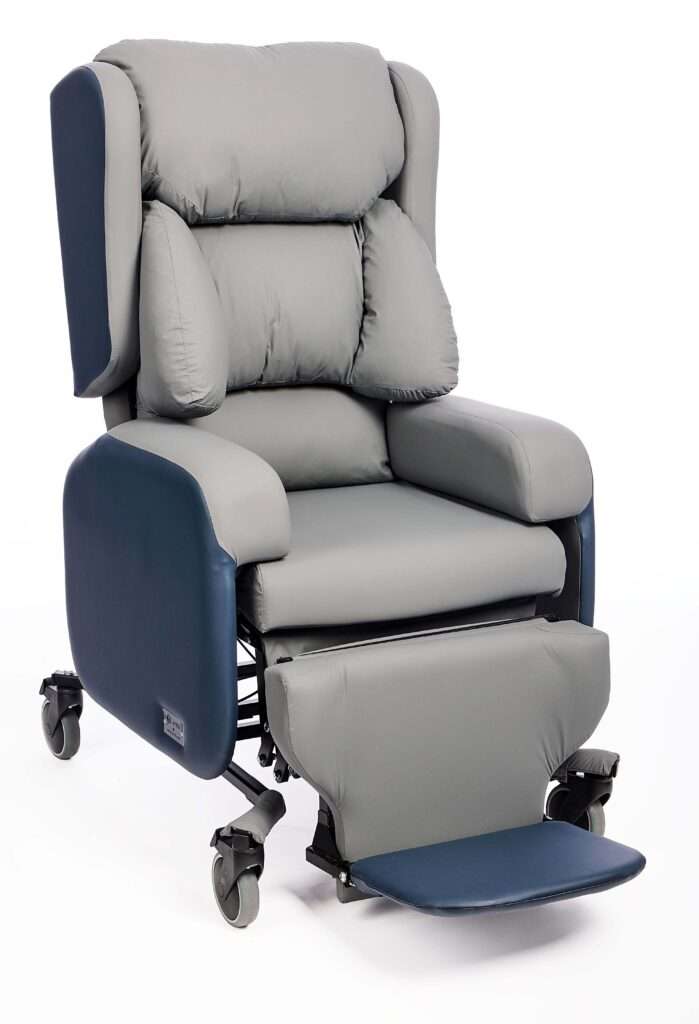
Lento Care Chair
Client feedback:
“For the first time in a long time, I felt like I could breathe properly in my chair. It’s not just about comfort — it’s the difference between coping and feeling like I’m constantly fighting for air.”
Summary
For people with advanced MS, seating is not only about posture and pressure care, it can directly influence breathing, fatigue, anxiety, and overall function. By addressing pelvic alignment, trunk stability and supportive positioning, we were able to reduce Ian’s respiratory effort and improve his day-to-day quality of life.
Have a Client With MS?