Care chairs and riser recliners are terms used frequently in healthcare seating, but it is important to understand what they both mean and what the difference is between them.
Jump straight to...
What are Care Chairs?
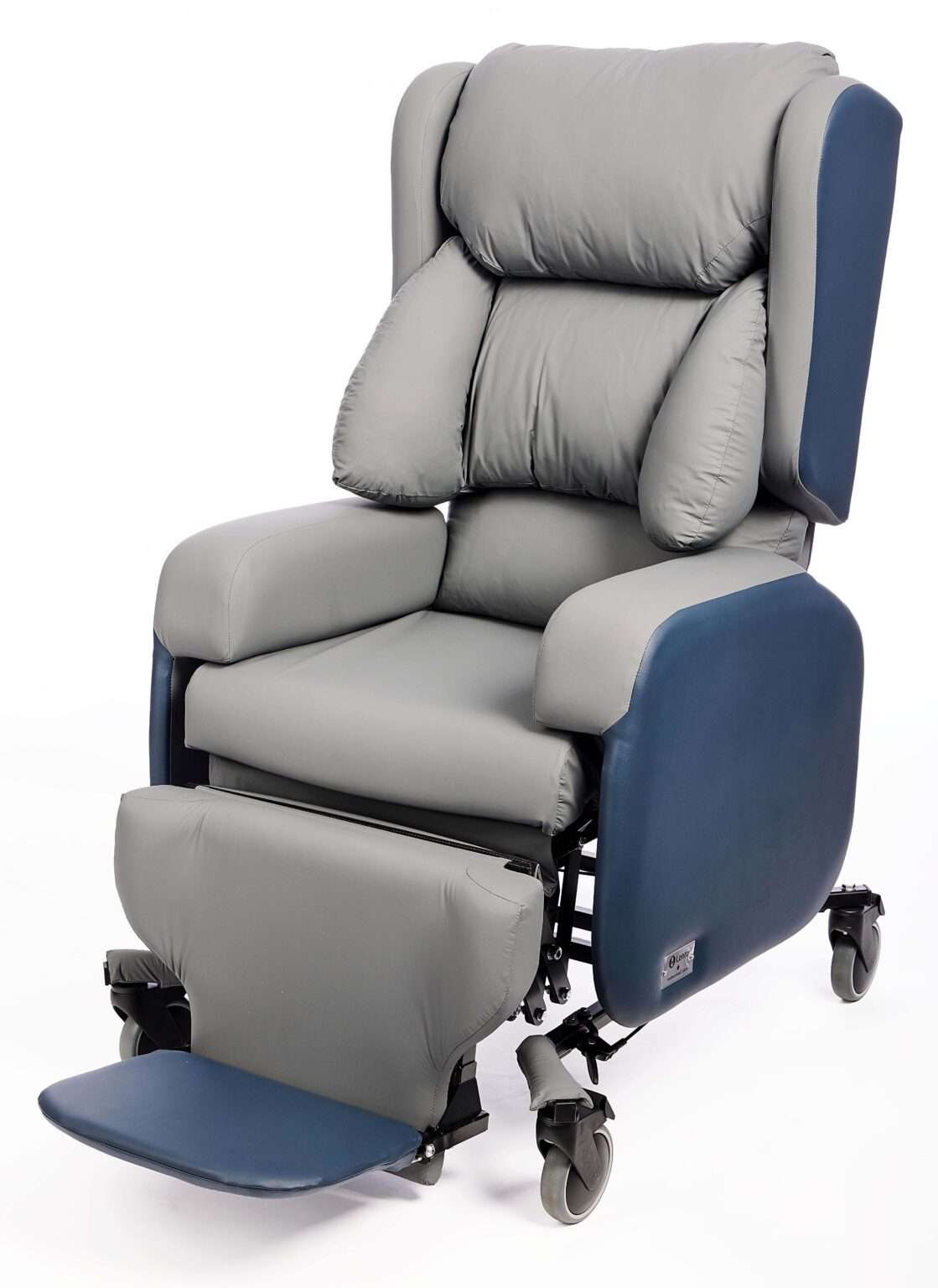
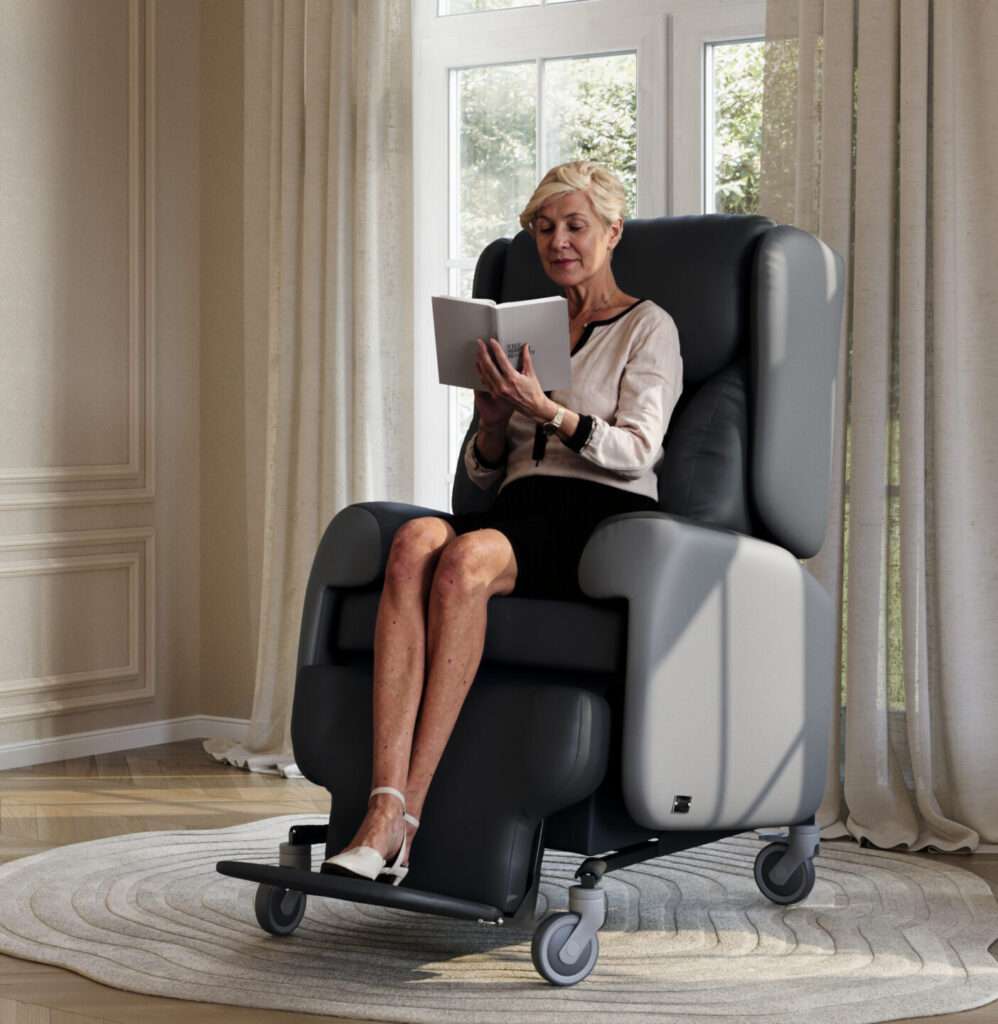
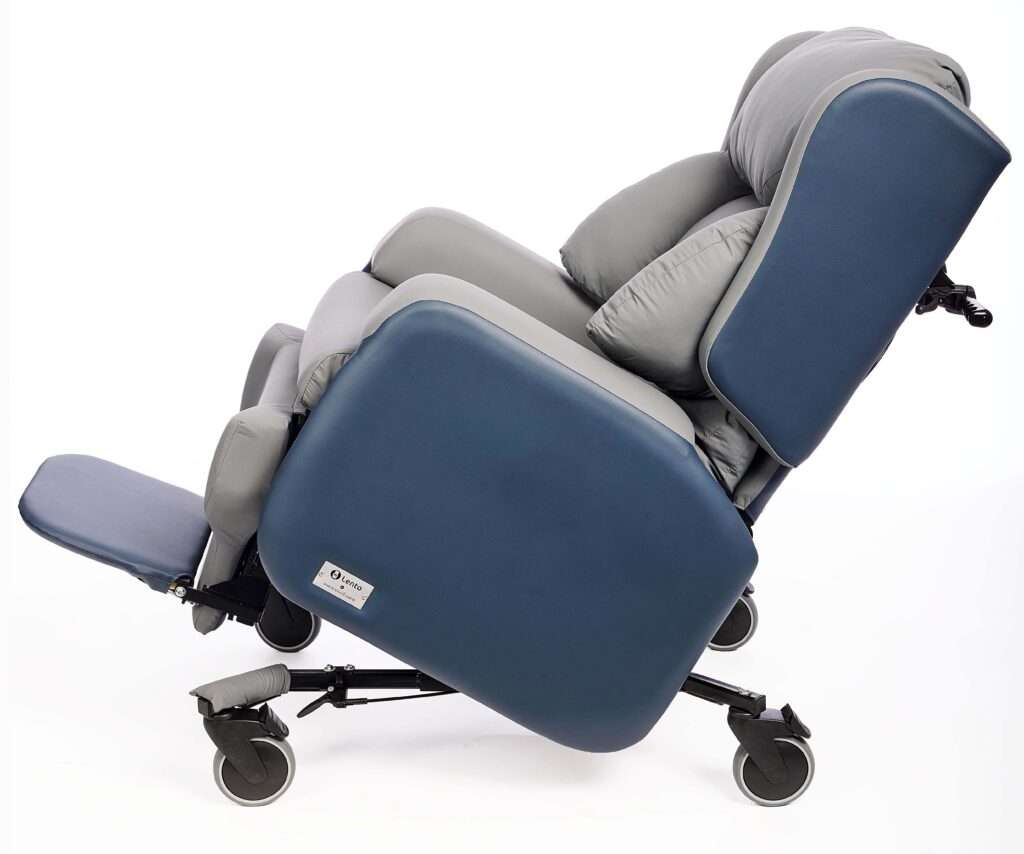
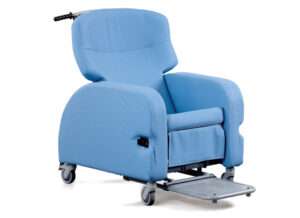
Care Chairs are high-spec seating solutions built for individuals who need a high level of personal care on a day-to-day basis. They are widely used in care homes and residential care units.
Their seat systems are designed to provide maximum comfort for long periods of time, with extra cushioning and positioning features. They usually have push handles at the back of the chair, and large wheeled castors to enable carers to move the patient around easily.
View Our Care Chair Range
What are Riser Recliner Chairs?
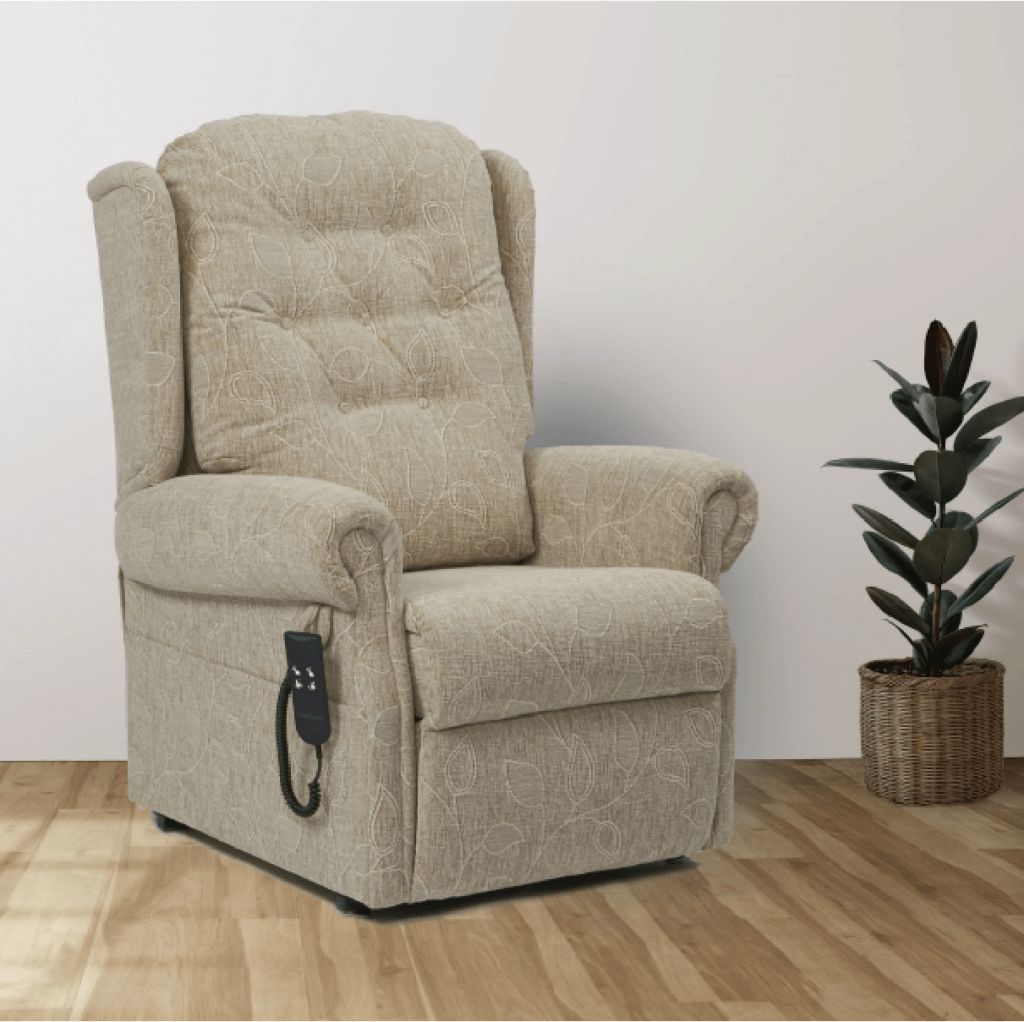
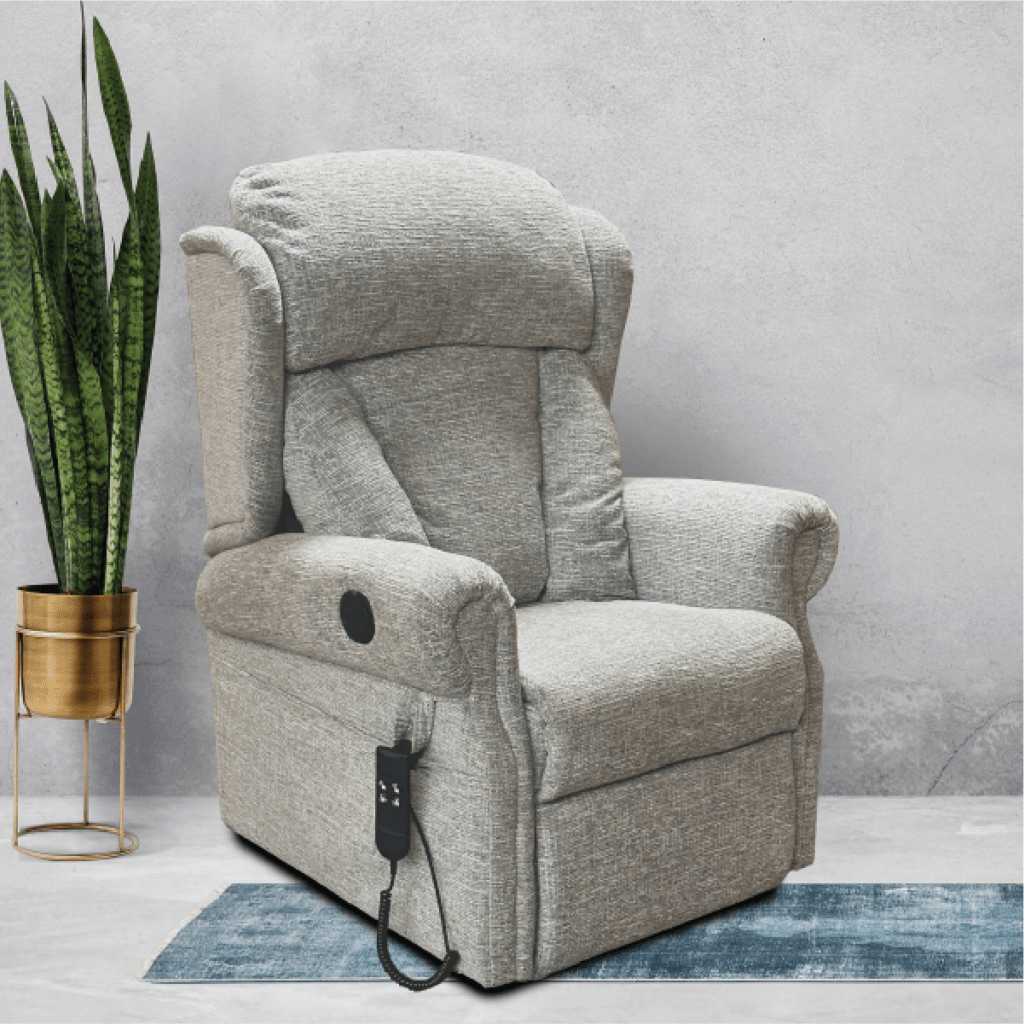
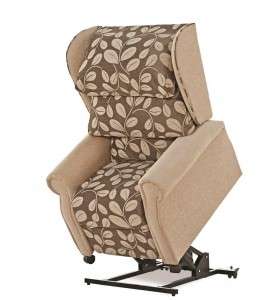
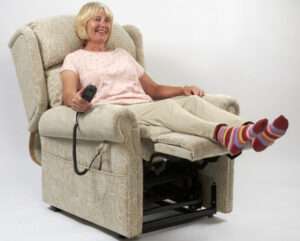
Riser recliner chairs (also known as rise and recline chairs or lift and tilt chairs), are a more contemporary seating range designed for a wider market, to help those with poor mobility.
The main purpose of this chair is to help the user stand to their feet, and recline back in the chair when needed.
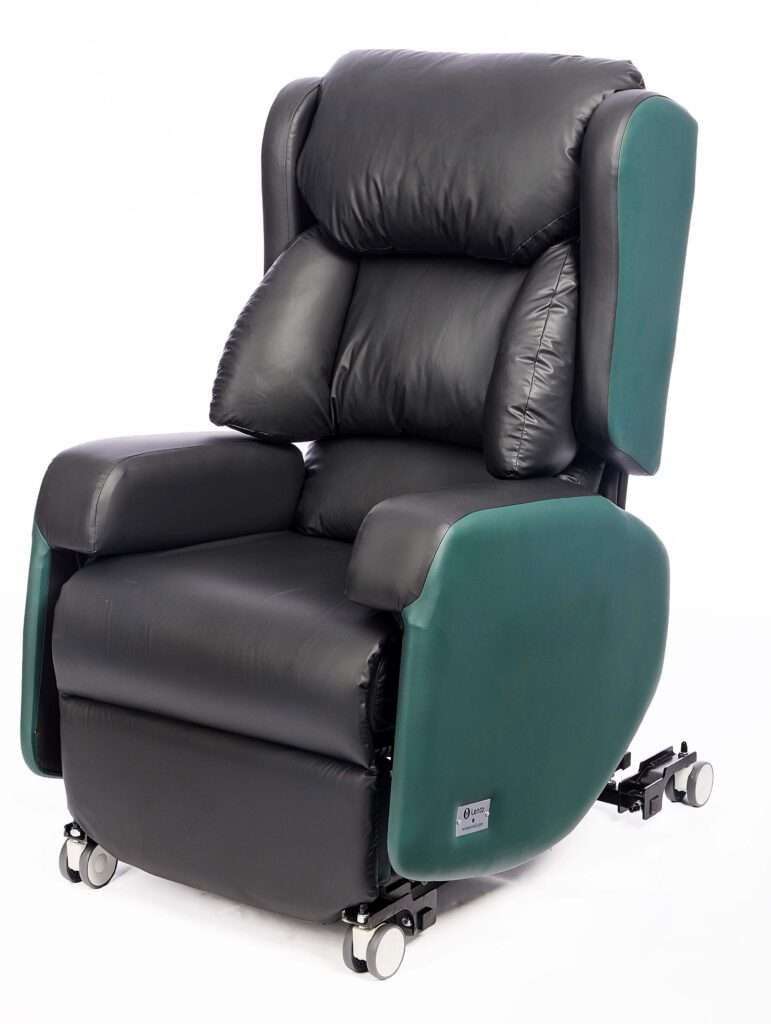
Common in domestic environments, they tend to be more contemporarily-styled with fabric upholstery, but we do supply hospital-grade versions like the Lento Mobile Riser Recliner and Levara rise recline chair.
View Our Riser Recliner Range
What are the Main Differences?
The main difference between care chairs and riser recliner chairs is the mobility needs of the user. The care chair is built to a high medical grade to support users that are unable to transfer unaided from the chair, and need hoisting. As they spend far more of the day in the chair, the chair needs to be specified to provide this level of postural support.
Riser recliners are used to assist someone from a sitting to a standing position. The client may also use a standaid to help them get out of the chair, but don’t usually need hoisting as they don’t have severe mobility issues like someone who would use a care chair.
Therefore the key determinant between the two types of chairs is whether the client needs hoisting.
The other main differences between the two types of seating are as follows:
Function | Care Chair | Riser Recliner |
Level of User Mobility | For patients with more advanced physical needs | For patients with poor mobility who need assistance standing |
Flexibility | Some seat dimensions can be adjusted if the client’s needs change over time | Comes in standard sizing, or can be made-to-measure |
Pressure Relief | Higher pressure relief like gel or alternating air is built into the seat. Usually upholstered in 4-way stretch material like dartex to enhance pressure relief. | Higher-spec options can be built into seat, but normally uses low to high risk foam cushions. |
Postural Support | Generally has a higher range of positioning features for the client’s postural needs, such as head supports, extended legrests, and multi-adjustable backrests | Different backrest styles can be specified depending on postural needs, and additional accessories like lateral supports are available |
Portability | Care chairs are portable so have a raised base on castors that can be wheeled around | Riser recliners can be mounted on castors, but are usually on glides or feet. |
Different Chairs, Different Users
Riser recliners will typically be used by elderly clients in nursing homes or their own homes who are experiencing declining mobility, and need assistance getting in and out of their chair, as well as tilt-in-space positioning for pressure relief.
Care chairs tend to be used by patients with long-term health conditions like strokes, MND or other neurological disorders. The seat sides tend to be slightly higher and more supportive, and tilt-in-space comes as standard to redistribute pressure, and may include an incremental tilt system to gradually change the patient’s position over time. Head supports and footplates provide head-to-toe postural support, helping them feel as comfortable as possible and allowing staff to attend to their daily needs.
These two types of chairs are usually fairly distinct from one another. However, with such a wide range of chairs on the market, sometimes the main features can overlap. For example, some riser recliners will have larger castors and can be used with a hoist. Also, some care chairs can have a rise function to lift the patient out of the chair. Generally speaking though, there is a clear distinction between a riser recliner and a care chair.
Summary
The key difference between care chairs and riser recliners is the level of postural support they provide. Care chair users have limited mobility so need hoisting in and out of the chair, whereas riser recliner users are able to use the chair to assist them to their feet.
To find out more about our range of riser recliners and care chairs, please contact our seating team:
Contact Our Seating Team
Frequently Asked Questions
Can I get a riser recliner chair on the NHS?
Yes, you can sometimes get a riser recliner chair on the NHS following an Occupational Therapy assessment. Chairs are provided if medically necessary for mobility, posture, or safe transfers. Availability depends on local NHS funding, and supplied models are usually standard specification rather than bespoke or made-to-measure.
What chairs do chiropractors recommend?
Chiropractors recommend chairs that support spinal alignment and reduce pressure on the back and neck. Ideal features include lumbar support, adjustable recline, tilt positioning, and firm cushioning. Ergonomic riser recliners and specialist care chairs are often suitable if they promote upright posture and even weight distribution.
Do doctors recommend recliners?
Yes, doctors often recommend recliner chairs for people with mobility issues, chronic pain, or post-surgery recovery needs. Recliners can improve circulation, elevate legs, reduce joint strain, and assist standing. Medical professionals typically advise choosing supportive, medical-grade recliners and changing positions regularly.
Should you hang your feet off a recliner?
No, you should not hang your feet off a recliner footrest. Proper leg support helps maintain circulation and reduces pressure behind the thighs. Feet should rest fully on the footplate with knees slightly bent. Unsupported legs can lead to swelling, discomfort, and poor posture.
What chairs are best for seniors with mobility issues?
Riser recliner chairs are best for seniors with mild to moderate mobility issues because they assist with standing and sitting. For advanced care needs, specialist care chairs are more suitable, offering tilt-in-space positioning, pressure relief cushions, and full postural support.
What’s the average lifespan of a recliner?
The average lifespan of a recliner chair ranges from 5 to 12 years. Standard recliners last around 5–10 years, while high-quality riser recliners and medical care chairs can last over 10 years with proper maintenance, servicing, and appropriate daily use.

Ralph has many years' experience in the healthcare sector. In a previous life he worked in finance, and his spreadsheet skills come in handy for all the analysis and research he does as he investigates topics and solutions for some of the world's most complex healthcare conditions and challenges. Aside from writing in-depth articles and organising webinars and interviews with top healthcare professionals, Ralph also administrates Vivid's "Healthcare Pioneers Board", a large group of healthcare specialists with multiple disciplines, who are working together to improve care for years to come.