Encephalitis is inflammation or swelling of the brain, usually caused by a viral infection but can be an autoimmune reaction or from a bacterial or fungal infection.
Symptoms of encephalitis range from flu-like symptoms such as headache and fever, nausea and drowsiness, to epilepsy and personality changes.
Diagnosing Encephalitis
Tests are carried out to identify swelling in the brain through CT or MRI scans, lumbar punctures, EEG (electroencephalogram), or blood tests.
Treating Encephalitis
Treatment is usually carried out in quiet, calm surroundings, and includes management of fever-like symptoms and medication such as steroids to reduce inflammation.
Jump straight to…
Seating Needs for Encephalitis
The recovery period for inflammation of the brain can range from a few days to 2-3 months, during which patients will need plenty of rest and a gradual return to normal level of activity, due to the fatigue this illness can cause.
Longer-term effects of encephalitis can exist such as physical problems, speech problems and epilepsy, which can be treated by the relevant professionals as part of a long-term recovery and rehabilitation plan.
During Hospital Stay
While receiving treatment in hospital, there are different aspects of medical management that need considering with chairs used:
- Space for catheters and IV lines to be inserted
- Need for a quiet space with no distractions
- Reducing sensory overload
- Facilitating rest and sleep
- Having an upright posture and preventing a lean to one side, which people with HSE (Herpes Simplex Encephalitis) can experience.
Get Expert Advice
Seating Solutions During Hospital Stay
These are some simple and practical seating tips for hospital care when recovering from encephalitis:
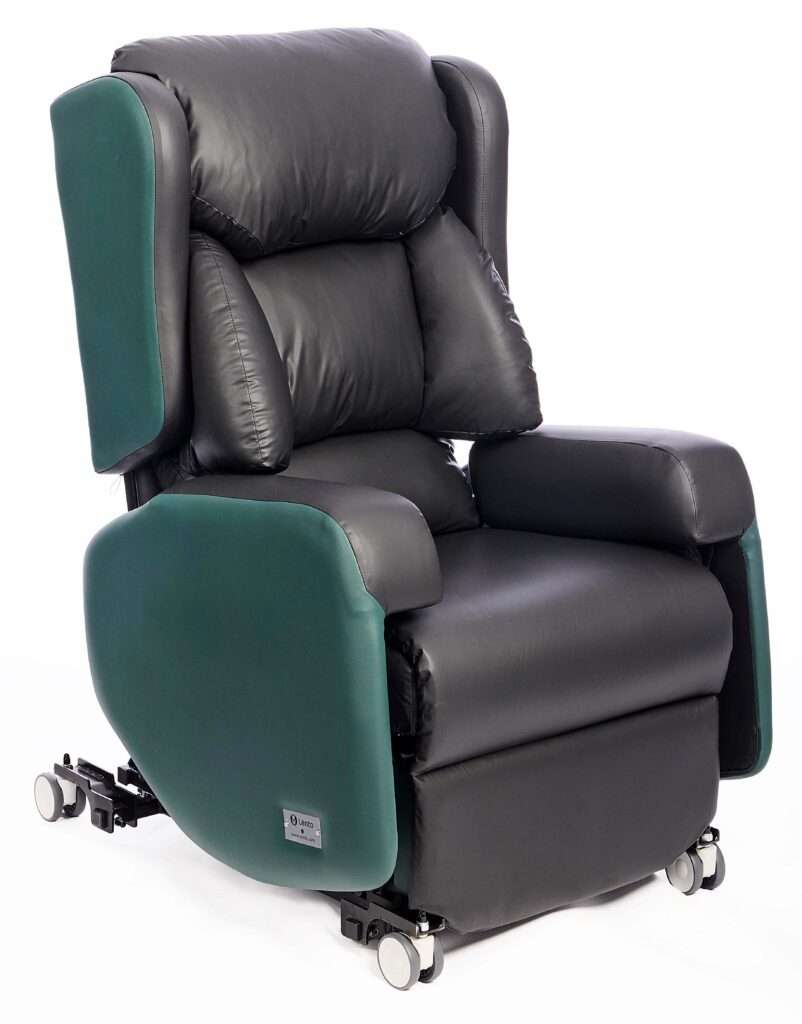
- Space for catheters and IV lines can be created with adjustable armrests and interchangeable backrests that are available throughout our Lento range.
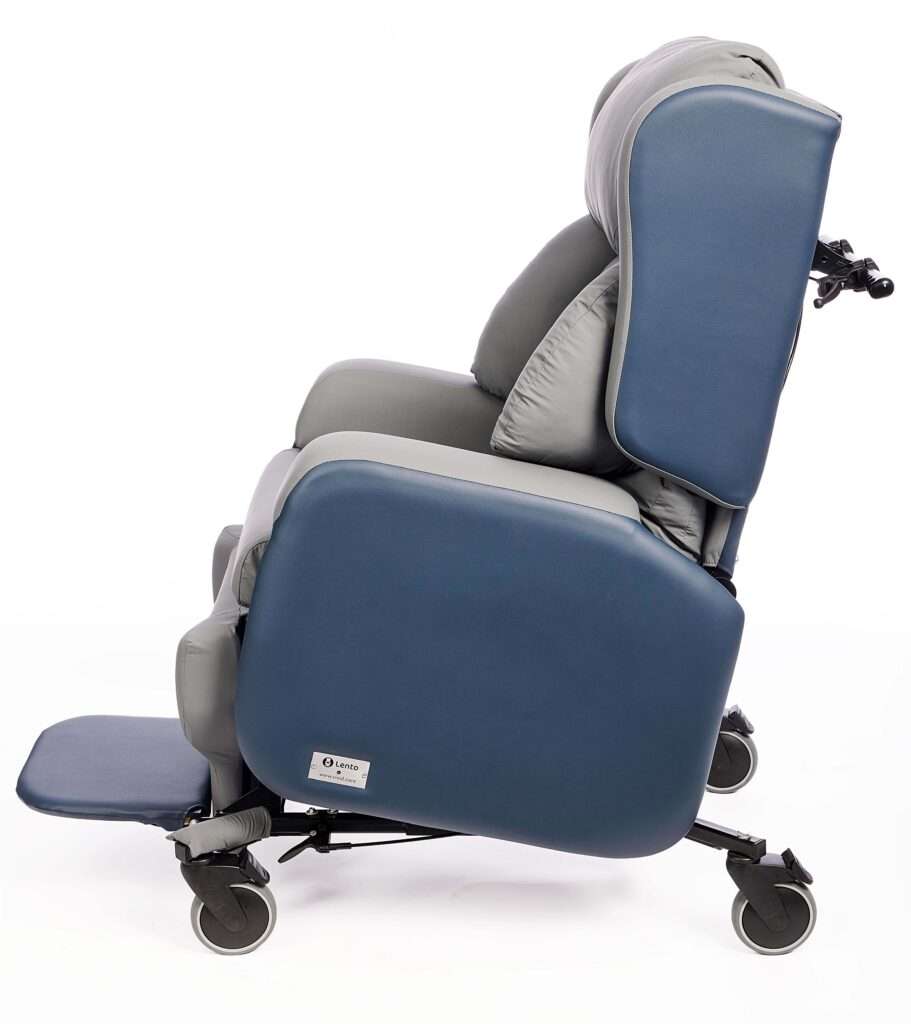
- Using a portable chair like the Lento Mobile, designed for moving easily around hospital wards, makes it easier to relocate to quieter and more restful areas of the hospital
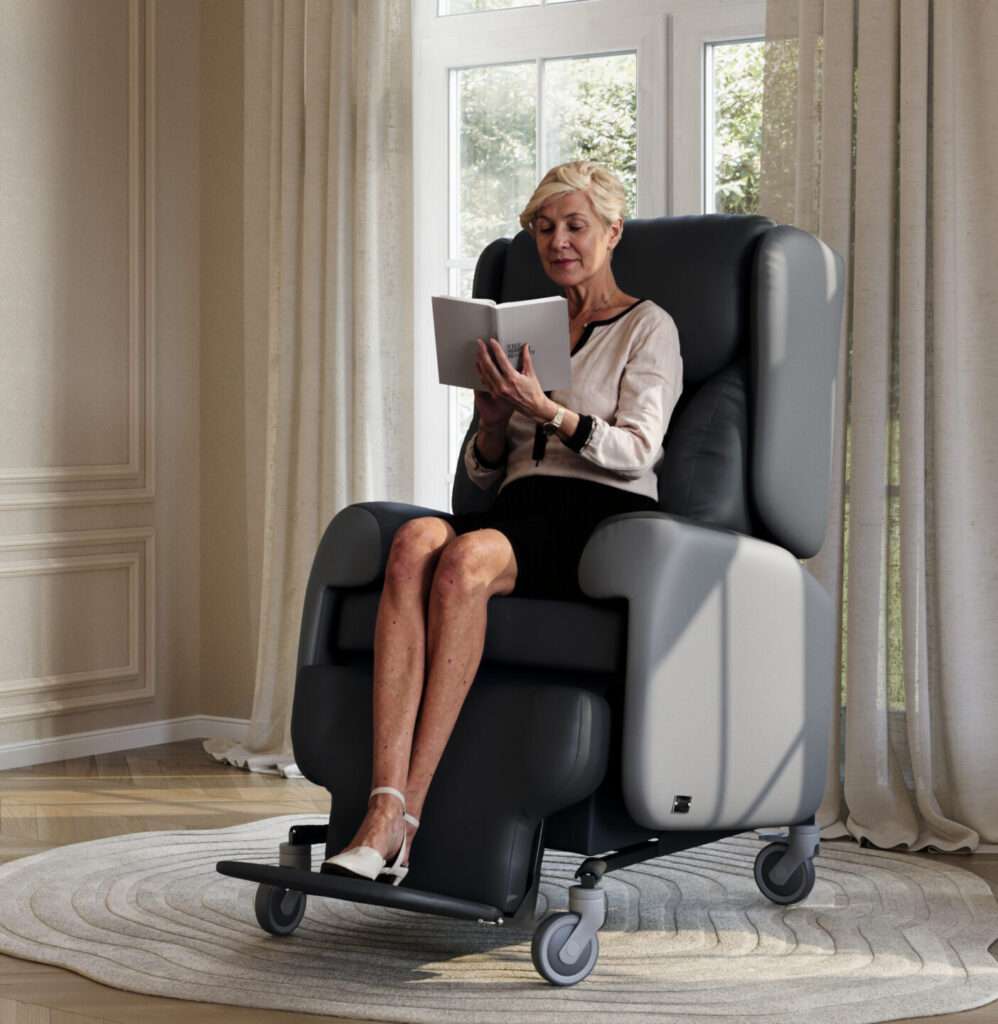
- Having a horseshoe head support or cocoon-shaped backrest like the Lento Cove reduces sensory overload and helps minimise distractions.
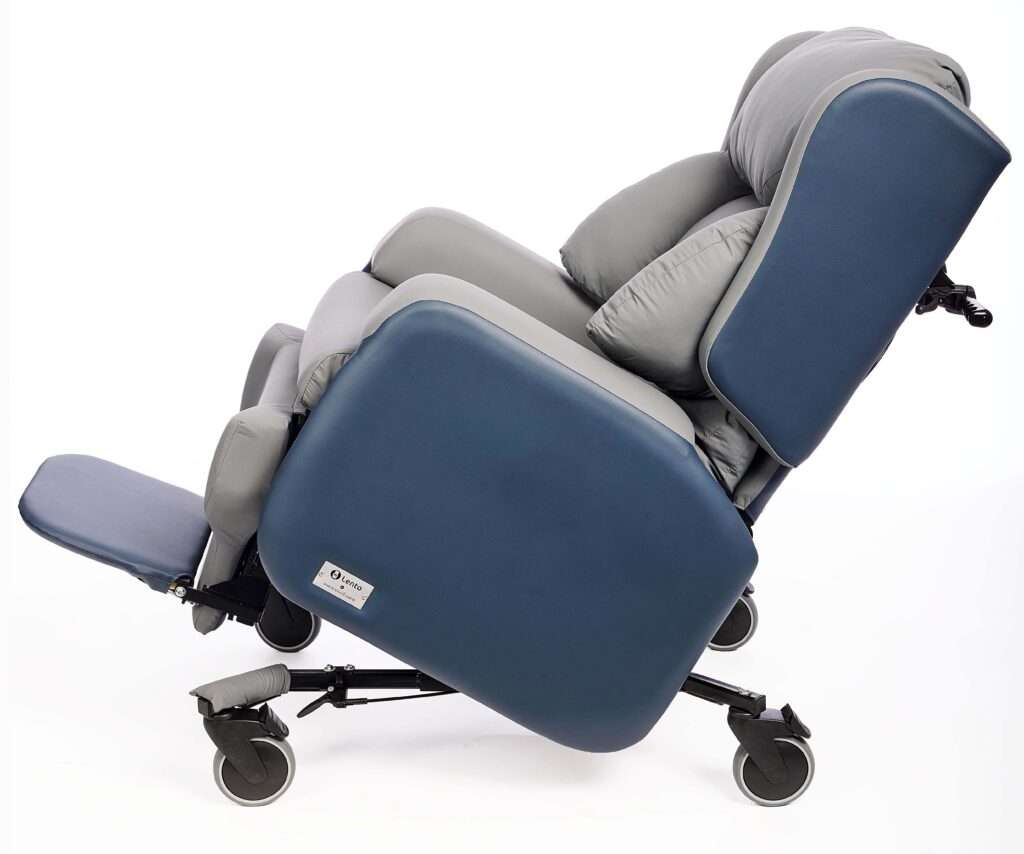
- A chair that can be easily repositioned like the Lento Care Chair or Lento Mobile helps patients recline into a zero-gravity/sleeping position.
- Interchangeable backrest types and lateral supports can help counteract a sideways lean in the chair and create a more upright posture.
For cases of acute encephalitis, the inpatient may be in hospital for several weeks and should consider the following:
- Extra pressure care to avoid bedsores on the sacrum, buttocks or ankles
- Difficulty swallowing, leading to a higher aspiration risk. This can occur from encephalitis disrupting the muscles and nerves involved in chewing and swallowing, known as dysphagia. Use seating that provides a stable upright posture, correct head and neck alignment, and appropriate support for trunk and limbs.
- Contractures can affect many joints, such as plantar flexion in the feet or hyperextension of the knees. Gentle stretching and flexing of the joints can help prevent this. Making sure the feet are resting flat on a footplate rather than dangling will reduce the risk of contractures. Alternating sitting with standing and lying positions can help prevent contractures.
- Using a lap tray can be useful for feeding and fine motor control if the patient has tremors.

After Discharge
Before being discharged, patients will need to be assessed by a multi-disciplinary healthcare team. Some people can be left with a form of ABI (acquired brain injury) and need some level of follow-up and adaptation to their work or home environment.
Rehabilitation After Encephalitis
Brain injury rehabilitation services exist to support the patient along their recovery pathway and into the future, and are often able to link patients with long-term support services for emotional, cognitive and physical challenges.
Seating features such as tilt-in-space can assist in managing fatigue, allowing the person to recline back in the chair and conserve their energy by taking rests during the day.
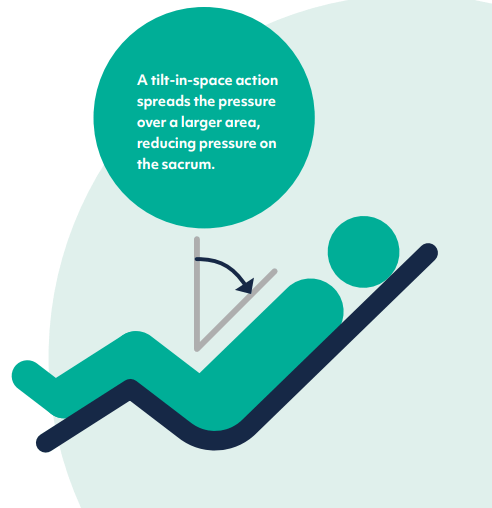
Tilt-in-space functionality
There are other seating features that can assist someone with cognitive impairments such as reduced concentration and impaired reasoning, covered in more detail in our article on specialist seating for brain injury.

Free & No Obligation Assessment
Conclusion
Encephalitis is a serious neurological condition that can have wide-ranging physical, cognitive and emotional effects, both during the acute phase and throughout recovery. Effective management goes beyond medical treatment alone and should include careful consideration of the environment and equipment used during hospitalisation and rehabilitation.
Seating plays a vital role in supporting comfort, posture, fatigue management and safety, particularly for individuals experiencing weakness, sensory sensitivity, or cognitive changes. A tailored, multidisciplinary approach ensures that each person’s evolving needs are met, helping them progress safely and confidently along their recovery journey.
Frequently Asked Questions (FAQs)
What causes encephalitis?
Encephalitis is most commonly caused by viral infections, such as herpes simplex virus, but it can also result from autoimmune responses, bacterial infections or, more rarely, fungal infections.
How long does recovery from encephalitis take?
Recovery can vary widely. Some people recover within weeks, while others may take several months or longer, particularly if there are long-term neurological effects.
Can encephalitis cause long-term problems?
Yes. Some individuals experience lasting effects such as fatigue, epilepsy, physical weakness, speech difficulties, cognitive impairment or personality changes, which may require ongoing rehabilitation and support.
Why is specialist seating important during recovery?
Specialist seating helps maintain correct posture, reduce fatigue, prevent pressure injuries, manage sensory overload and support safe swallowing and mobility, all of which are crucial during both hospital care and rehabilitation.
What seating features are beneficial for people with encephalitis?
Useful features may include tilt-in-space, adjustable armrests, interchangeable backrests, lateral supports, pressure-relieving cushions, head supports and footplates to ensure stability and comfort.
Will patients need seating support after discharge?
Some individuals may require adapted seating at home or work, particularly if they are left with an acquired brain injury or ongoing physical or cognitive challenges. This is typically assessed by a multidisciplinary team prior to discharge.

Ralph has many years' experience in the healthcare sector. In a previous life he worked in finance, and his spreadsheet skills come in handy for all the analysis and research he does as he investigates topics and solutions for some of the world's most complex healthcare conditions and challenges. Aside from writing in-depth articles and organising webinars and interviews with top healthcare professionals, Ralph also administrates Vivid's "Healthcare Pioneers Board", a large group of healthcare specialists with multiple disciplines, who are working together to improve care for years to come.