Transverse myelitis (TM) is a rare neurological condition that can have a profound impact on mobility, comfort, and independence. For many people living with TM, everyday activities such as standing, walking, or even sitting comfortably can become challenging. As a result, supportive seating plays a vital role in managing symptoms, protecting long-term health, and improving quality of life. This article explores transverse myelitis, its effects, and how the right seating solutions can support recovery and long-term wellbeing.
Jump straight to…
What Is Transverse Myelitis?
Transverse myelitis is a rare condition affecting the central nervous system, with around 300 new cases diagnosed each year in the UK. The term “transverse” refers to inflammation occurring across the width of the spinal cord, while “myelitis” describes inflammation of the myelin sheath, the fatty protective covering that surrounds nerve fibres.
When the myelin is damaged, the transmission of messages between the spinal cord and the rest of the body is disrupted. This interruption can affect movement, sensation, and autonomic functions such as bladder and bowel control.
Causes of Transverse Myelitis
The exact cause of transverse myelitis is not always clear. It is considered an autoimmune condition, where the immune system mistakenly attacks the spinal cord. In some cases, TM can develop after a viral or bacterial infection, when the immune response intended to fight the infection causes inflammation in the spinal cord instead.
Symptoms and Impact
Transverse myelitis symptoms can vary depending on which area of the spinal cord is affected:
- Cervical cord involvement can affect both arms and legs
- Thoracic or lumbar involvement usually affects the trunk and legs
Early signs of transverse myelitis include:
- Severe tiredness and muscle spasms
- Back pain
- Burning, tingling, or numbness (paraesthesia)
- Bladder and bowel dysfunction
- Reduced mobility or paralysis

These symptoms often result in people spending extended periods sitting or lying down, making comfort, posture, and pressure management essential considerations.
Treatment and Recovery
Transverse myelitis therapy focuses on reducing inflammation and supporting neurological recovery. This may include corticosteroids, plasma exchange, or immunoglobulin therapy.
Physiotherapy
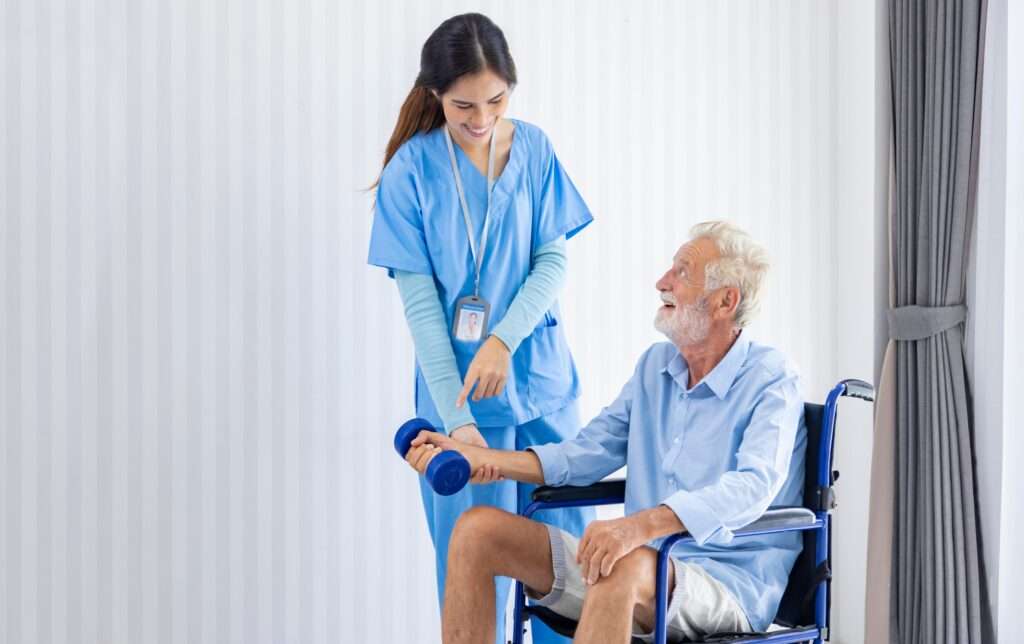
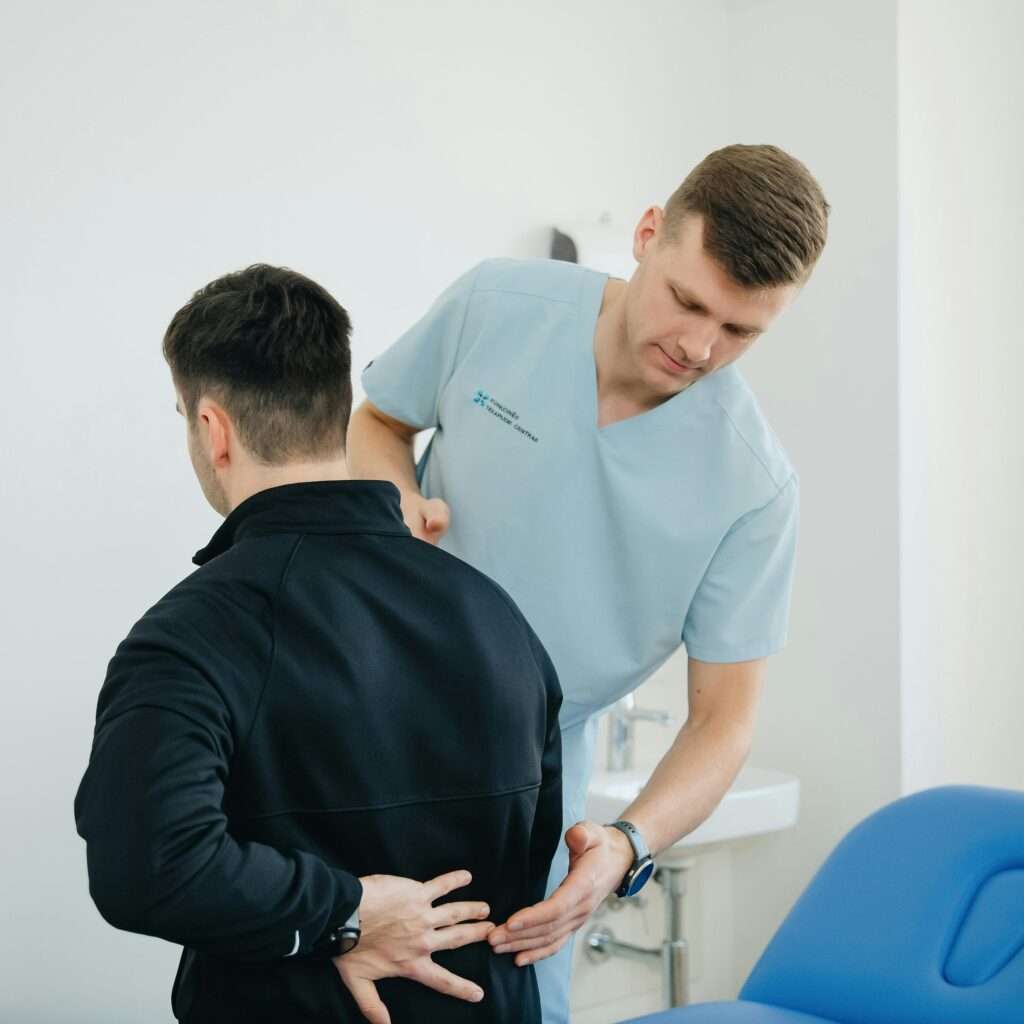
Physiotherapy is a crucial part of rehabilitation, particularly neuro physiotherapy, which specialises in neurological conditions.
Physiotherapy usually begins in hospital and follows a programme similar to spinal injury rehabilitation. At this stage, seating that supports safe transfers and standing practice is extremely important.
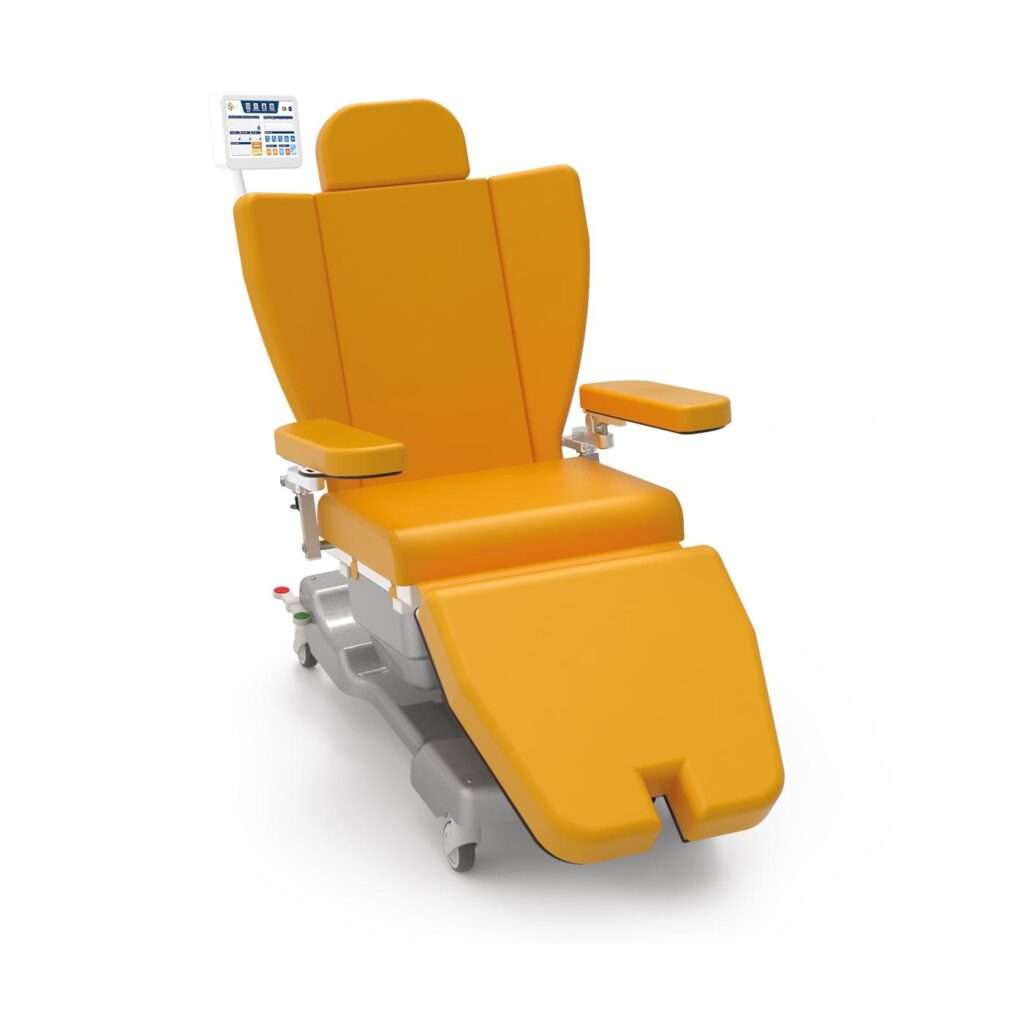
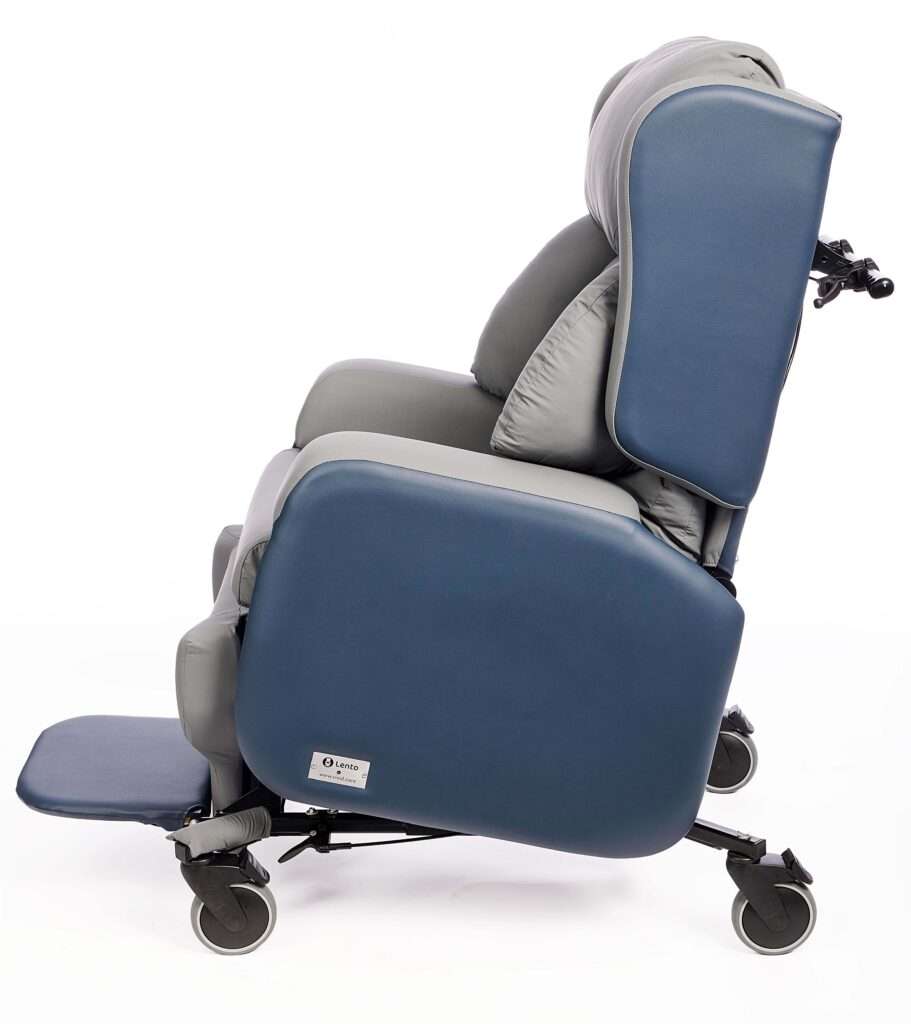
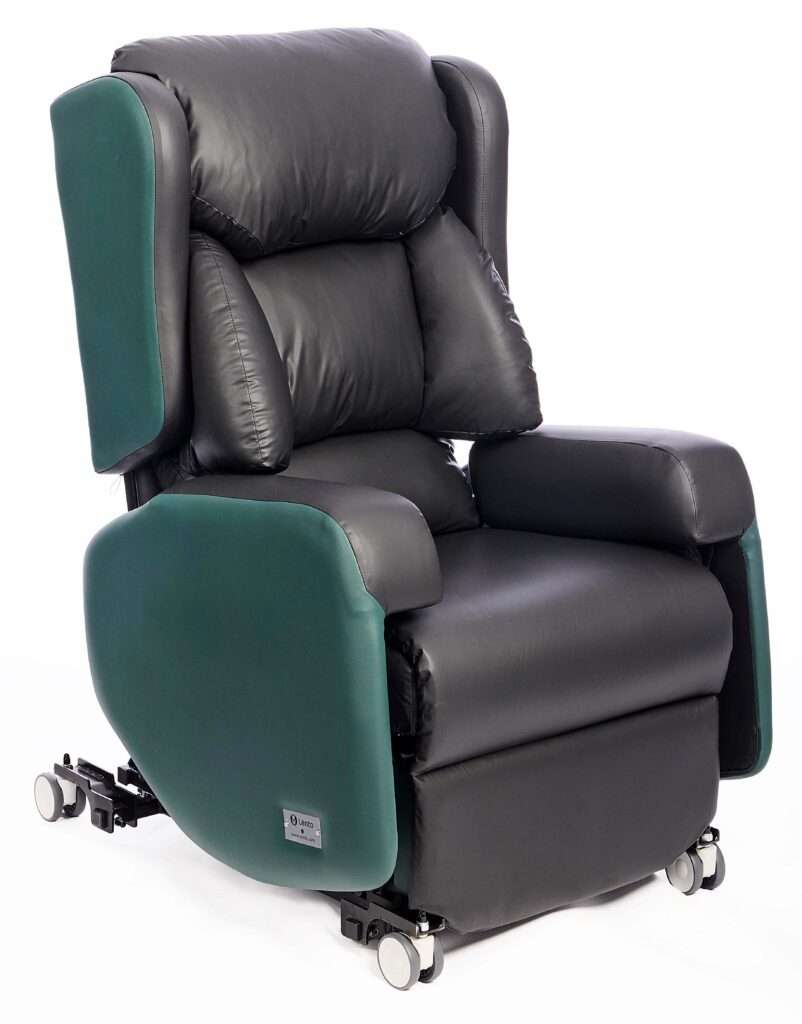
Chairs such as the Lento Mobile, which assist with standing and repositioning, can support early rehabilitation goals. The Lento Mobile is compatible with standing and transfer aids used during rehab.
Discover the Lento Mobile Recliner
Functional Electrical Stimulation (FES) may also be used to activate muscles, for example in cases of foot drop. Recovery can be slow, often taking between three and six months. Around one third of people make a full recovery, as the myelin sheath has the ability to repair itself.
Long-Term Effects of Transverse Myelitis
Some individuals can experience lasting effects, including:
- Chronic neuropathic or musculoskeletal pain
- Persistent numbness or weakness
- Bladder and bowel dysfunction, including urgency and constipation
- Sexual dysfunction
These long-term challenges often increase reliance on seating for daily comfort and support.
How Seating Can Help with Transverse Myelitis
Supporting Mobility and Comfort
Because transverse myelitis frequently limits mobility, people may spend long periods sitting. Without appropriate seating, this can lead to discomfort, poor posture, and secondary complications such as pressure sores or respiratory issues.
Well-designed seating encourages an upright posture, which reduces pressure on the spine, improves lung function, and supports circulation.
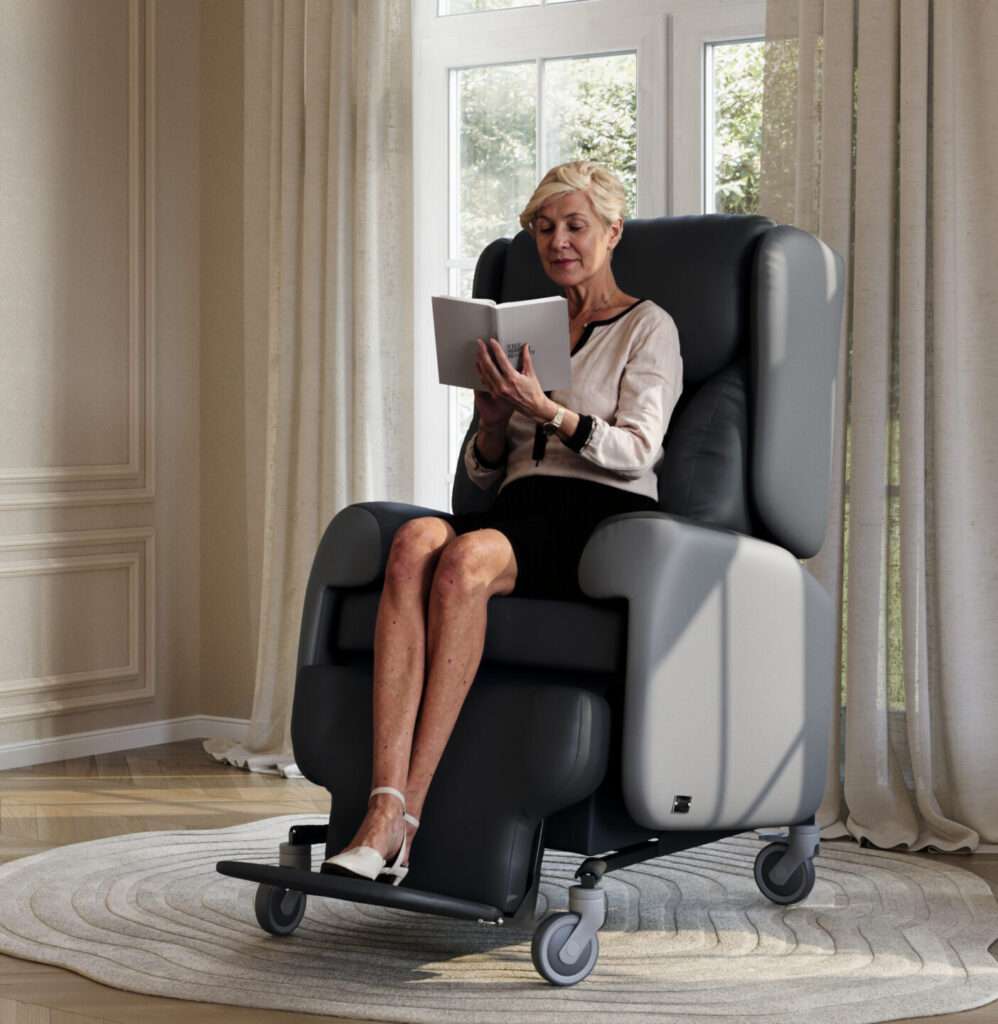
The HiBack Bedside Chair provides excellent postural support for individuals who may struggle to maintain an upright position independently.
Discover the HiBack Bedside Chair
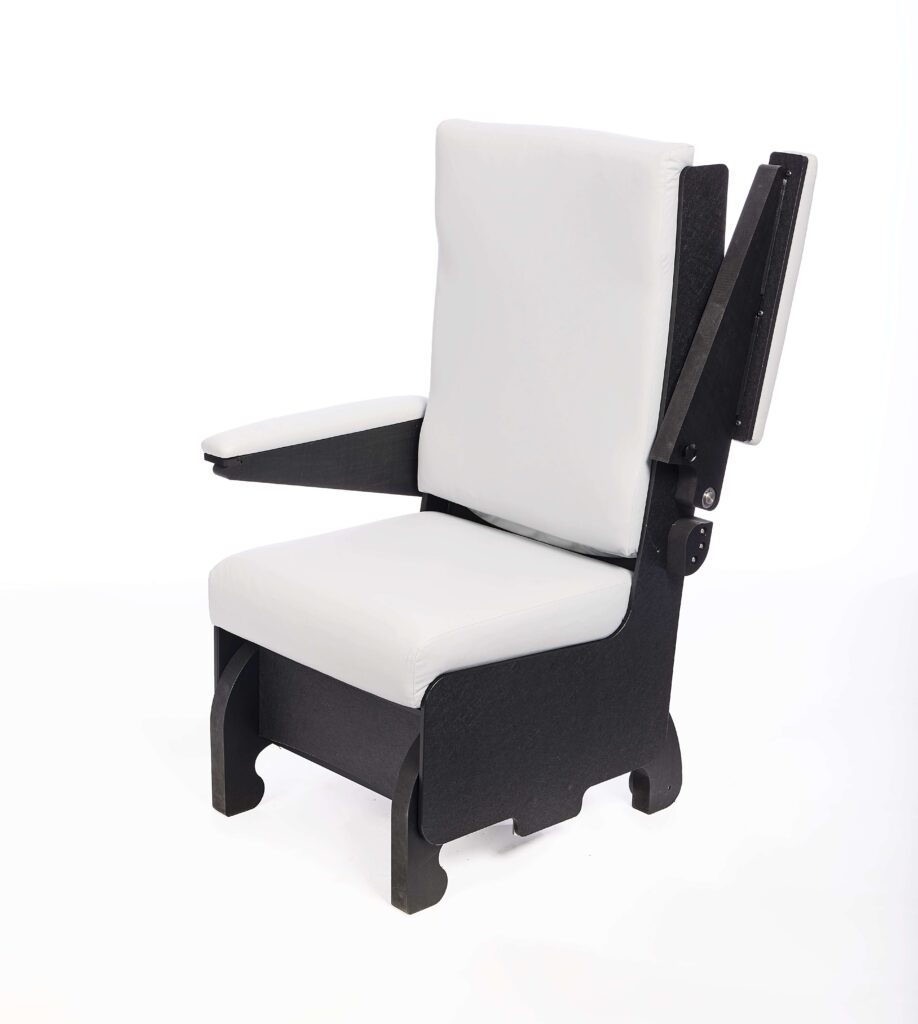
HiBack Bedside Chair
Positioning and Pressure Care
Good positioning is essential for pressure care. Individuals with reduced sensation may not feel early signs of pressure damage, making specialist seating even more important. Properly contoured cushions, adjustable backrests, and supportive armrests help distribute pressure evenly and reduce the risk of skin breakdown.
Maintaining an upright, well-supported position also helps reduce fatigue and can make everyday activities such as eating or socialising more comfortable.
Find Out About the Importance of Positioning
Bladder Function and Incontinence
Bladder dysfunction is common in transverse myelitis, with many people experiencing urinary retention or incontinence. Seating can play a key role in managing these challenges discreetly and hygienically.
Waterproof, wipe-clean fabrics such as Dartex are particularly beneficial. These materials repel moisture, reduce odour retention, and are easy to clean, helping to maintain dignity and comfort.
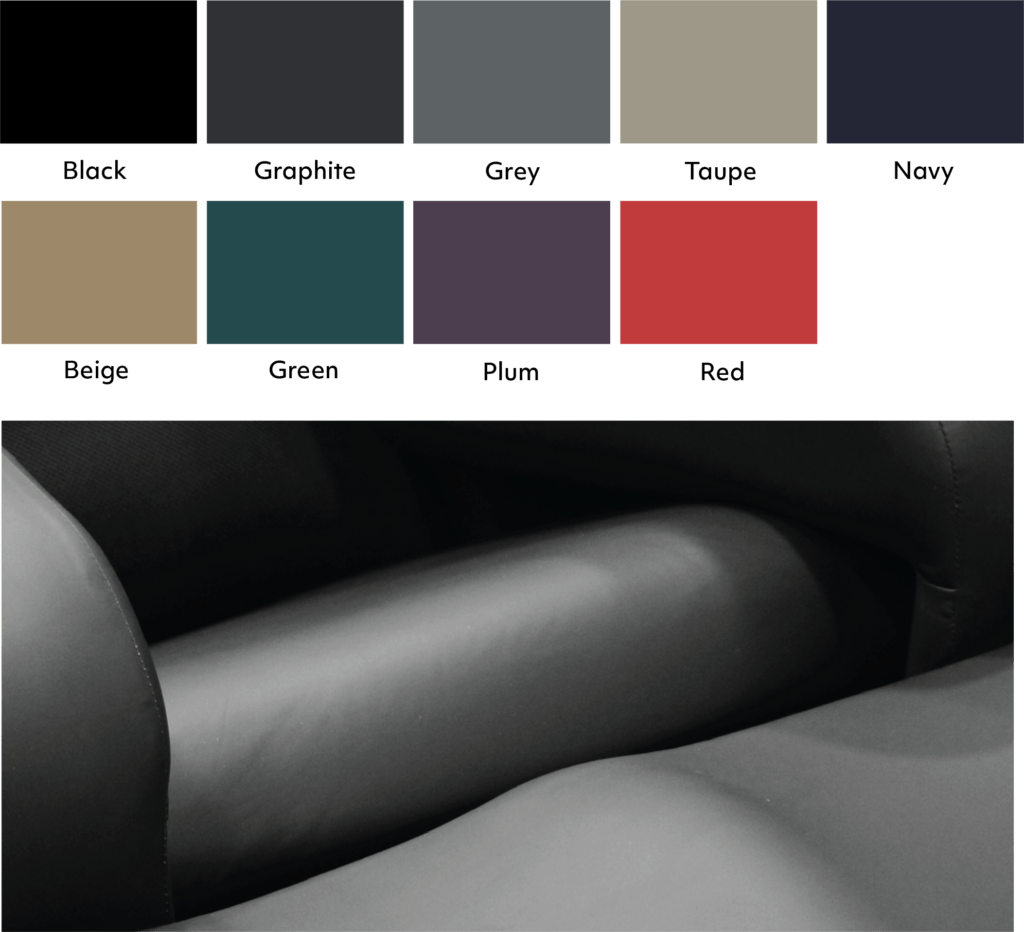
Dartex Fabric
Hygiene and Skin Protection
Incontinence can increase the risk of skin irritation and pressure sores if moisture is not properly managed. Chairs that are easy to clean, with removable covers and non-absorbent fabrics, support good hygiene and reduce infection risk.
Specialist chairs like the Lento Mobile and HiBack Bedside Chair are designed with infection control and pressure management in mind, making them suitable for both hospital and home environments.
The Lento Mobile has removeable arms and backrests, exposing the base of the chair for easy cleaning.
Discover the Lento Mobile
The HiBack Bedside Chair is designed for hospital infection control, with clip-off upholstery that can be machine washed, exposing the smooth polymer frame for deep cleaning.
Discover the HiBack Bedside Chair
Conclusion
Transverse myelitis is a complex condition that affects mobility, sensation, and daily function. While medical treatment and physiotherapy are essential, the right chair can support posture, protect skin integrity, assist with standing and transfers, and help manage bladder and bowel challenges. Choosing the right seating solution can make a meaningful difference to comfort, independence, and overall quality of life for people living with transverse myelitis.
FAQs
Can seating really make a difference for transverse myelitis?
Yes, specialist seating helps with posture, pressure care, comfort, and hygiene, especially for people with reduced mobility or sensation.
What features should I look for in a chair?
Key features include pressure-relieving cushions, upright postural support, wipe-clean waterproof fabrics, and adjustability to suit changing needs.
Is specialist seating only needed during recovery?
Not necessarily. Some people benefit from specialist seating long term, particularly if they experience ongoing mobility or bladder and bowel issues.

Ralph has many years' experience in the healthcare sector. In a previous life he worked in finance, and his spreadsheet skills come in handy for all the analysis and research he does as he investigates topics and solutions for some of the world's most complex healthcare conditions and challenges. Aside from writing in-depth articles and organising webinars and interviews with top healthcare professionals, Ralph also administrates Vivid's "Healthcare Pioneers Board", a large group of healthcare specialists with multiple disciplines, who are working together to improve care for years to come.