Best Chairs For People With Dementia and Alzheimer’s


Dementia is a general term for cognitive decline that affects a person’s day-to-day functioning. As well as causing mental confusion and behavioural changes, dementia affects mobility and coordination too. You can read more about Dementia on the NHS website: “What is dementia – NHS”
Alzheimer’s is a disease that affects the brain, and is one of the main (but not only) causes of dementia.
Whether you are a loved one, Occupational Therapist or other healthcare professional caring for someone with dementia, you will recognise that it involves making thoughtful decisions about their daily comfort, well-being, and mental health. One crucial aspect is selecting an appropriate care chair tailored to their specific needs. The right chair can enhance postural support, reduce the risk of pressure ulcers developing, offer adjustment and adaptability as the condition progresses, and most importantly enhance the comfort and quality of life of the patient. On this page we delve into the considerations to keep in mind when purchasing a care chair for someone with Dementia or Alzheimer’s.
Jump straight to...
Seating Needs for People With Dementia
Postural Support and Positioning for Comfort
It is important to stress that you should always work with an Occupational Therapist when finding a new chair for someone with Dementia. They will conduct a thorough assessment, and may even decide to observe the patient for a few weeks first to properly understand their individual needs. This may be as simple as recognising that the person likes to watch TV, or otherwise it could be something to do with a tendency to lean in one direction – both of which can be taken into account when choosing seating.
Evidence indicates that chair design features such as higher seat height, reduced posterior seat tilt, and firmer seat surfaces facilitate easier sit-to-stand transfers and reduce rise difficulty in older adults, including those with dementia. However, these features may sometimes reduce perceived comfort, requiring a balance between comfort and functional needs.[1-3]
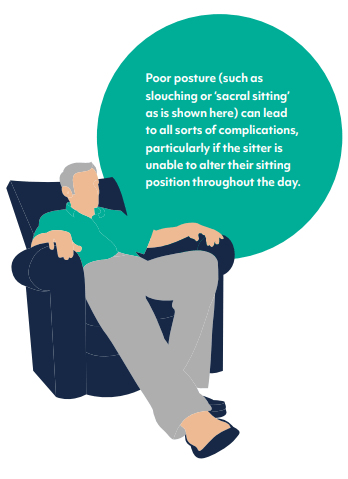
Comfort is paramount for individuals with Dementia, as they can often spend extended periods of time sitting in their chair. A person with Dementia may not be aware if they are positioned uncomfortably in the chair, or have the presence of mind to change their posture, so it is important to help them stay comfortable. Seating needs to have the right postural support from correct back-rest choices and accessories (see accessories section below), and then repositioning functionalities to compensate for these inadequacies.

Tilt-in-space is one of the main positioning features that will not only help to centralise a patients alignment in their chair, but will also alleviate load on their pressure points. Find out more about tilt-in-space and the benefits it can bring by reading our blog article here: Tilt In Space Chairs | Definition & Benefits
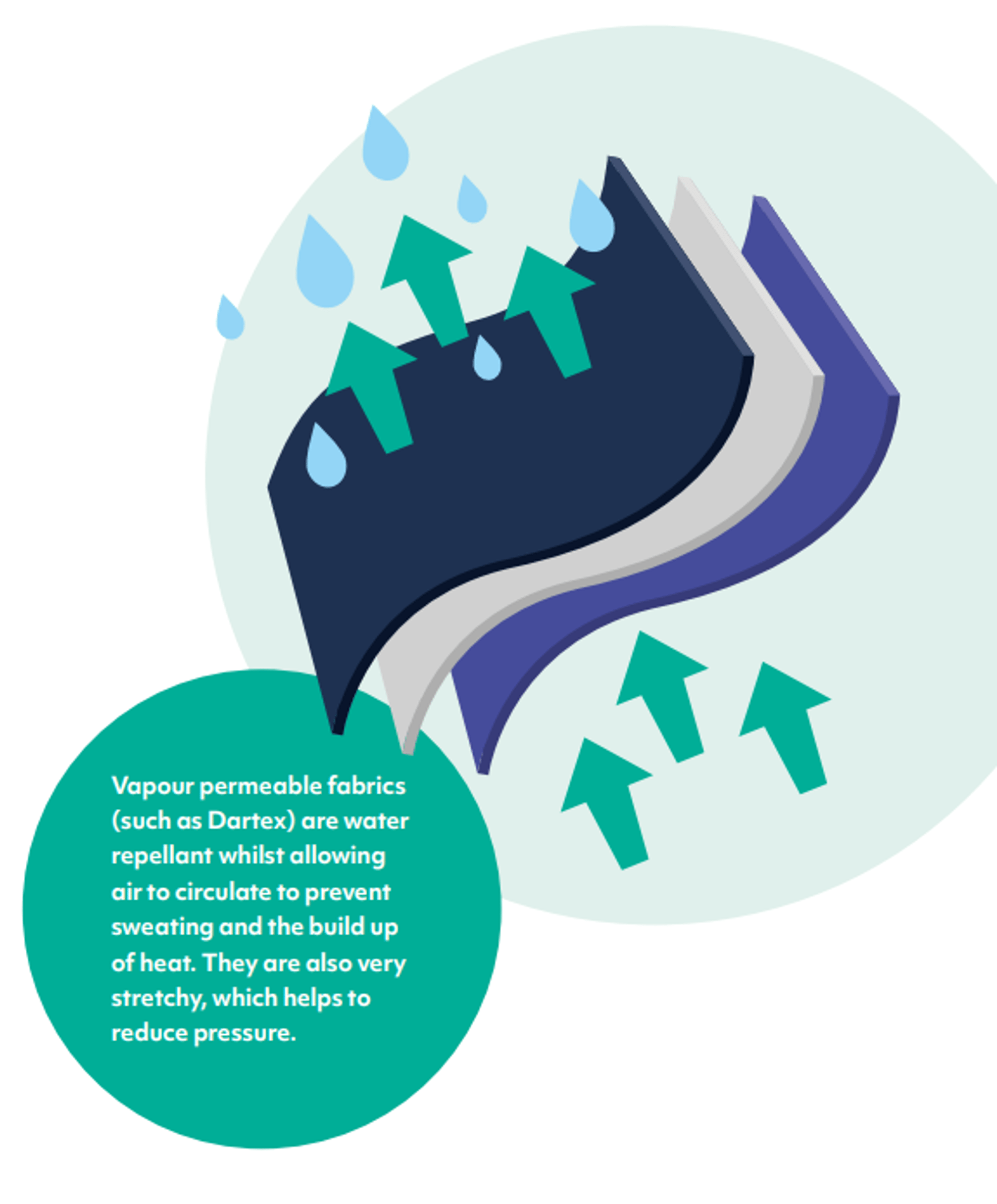
There are other ways to enhance the comfort offered by your chosen chair too: look for care seating solutions with ample cushioning and supportive features such as lumbar support and adjustability, so that you can change the seat width, depth and arm height to suit the size and shape of the user. You can then also look for materials that are soft, breathable, and durable (such as the four-way stretch Dartex fabric).
Need A Tilt In Space Chair?
Our specialists will help you find the perfect solution
Pressure Relief
As dementia progresses, patients may spend significantly more time seated due to cognitive decline and decreased mobility. Being seated for longer periods puts the person at much higher risk of developing nasty pressure ulcers and sores, but this can be greatly alleviated through upgrading cushions to a cool-gel or alternating air system. This, in conjunction with repositioning functionalities such as tilt-in-space (effectively enabling you to put the user into an almost “zero gravity” position”, forms the basics of a good pressure care strategy.
Choosing breathable, vapour-permeable fabric such as Dartex to absorb moisture can also greatly reduce the risk of pressure wounds. The Lento chair range includes Dartex fabric on the seats as standard, and has the full range of pressure relief cushion options available.

Important Seating Accessories for Dementia
There are lots of seating accessories to assist people with Dementia. Accessories like trays or over-chair tables for example, can make eating and other daily routines much easier. Lockable handsets can also prevent patients from adjusting the seat position unnecessarily.
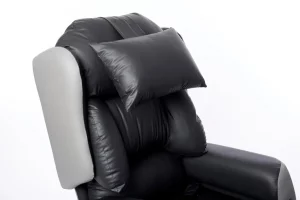
Additional backrests like the lateral waterfall back or cocooning back can also be a good consideration, as you may find they provide better postural support – particularly if they tend to slump in the chair. It is good to try different backrest types and other cushion options at the initial assessment stage, so that you can work with your Occupational Therapist to gauge which ones seem to be supporting your loved one/client best.

Cocoon backrest
It is vital to ensure that the chair you buy is compatible with stand-aids, hoists, slings and even belts if necessary – any of these accessories could be required down the line if they are not already, and so you will save yourself time and money by making sure your chosen seating solution is fully compatible from the start. Our Lento Care Chair is an example of a product with a full accessories pack available to buy as an add-on, with all of these extras included in it.
Features to Enable Mobility and Socialising
Participation in activities and communal interaction is absolutely crucial for people with Dementia, as it helps their overall mental health and even physical condition. Being in familiar environments and amongst familiar smells and objects will make them feel more connected to the world around them. Have a chair that is mobile on braked castors, with a push handle and easy to use handsets – this will enable you to bring them to a lounge or communal space where they can be around other people, or even just to take them for a walk outside to get some fresh air in the summer.
Broader environmental reviews highlight that supportive and therapeutic environments, including appropriate furniture, can positively impact behaviour, perception, and falls risk in dementia care settings. [4-6]

Want A Chair To Make Socialising Easier?
Our specialists will help you find the perfect solution
Other Seating Features for Dementia Patients
There are symptoms that are common across all dementia patients, and some that might not manifest themselves until the more advanced stages, like incontinence and weakness down one side of the body. With this in mind, keep an eye out for the following features which may not be as obvious, but can go a long way in improving quality of life for someone with dementia.
Raked Seat for Security
An angled seat rake that slopes down towards the back of the chair keeps the patient secure and stops them from sliding forward if they have little postural control. Being angled slightly back in the chair helps to centralise their position, similar to tilt-in-space. The Lento Neuro has a raked seat and channelled legrest, which supports the legs and gives carers peace of mind, because the patient is secure and safe from getting up out of the chair and potentially falling.

Lateral Supports for Posture
Removable lateral supports or lateral wedges and cushions improve your client’s posture in the chair, and make them feel more supported. They may not have the mental capacity to realise when they are slumped to one side, which lateral supports will prevent.
Waterproof Fabric for Easy Cleaning
Patients with Alzheimer’s or dementia can suffer from incontinence in the later stages, due to a loss of bladder and bowel control. Dealing with incontinence can be a troublesome issue, but fortunately our Lento range of seating has features that make this considerably easier.
The Dartex fabric on the seat and vinyl to the outer of the chair are both waterproof, anti-ingress fabrics that can be easily wiped down. They have been designed with minimal seams and recesses that can harbour bacteria, and the removable cushions have zipped covers that can be machine-washed separately if required.
Keeping the chair clean and free from body fluids in this way is essential to maintaining good pressure relief and skin care.

Graded Vertical Rise
People with dementia can feel insecure and anxious when getting out of the chair if they feel like they are losing balance. The graded vertical rise makes this process more gradual, by raising the chair vertically at first and then at a slight angle to keep the patient more balanced. This may need the carer to operate as it requires pressing two handset buttons simultaneously.
Need Help Finding Your Perfect Chair?
Our specialists will help you find the perfect solution
Dementia Seating Solutions – The Lento Range
Our Lento range of chairs includes various options, all of which can be used for people with Dementia depending on which stage of the condition they are at. Watch our in-house seating assessor, Ben Stirling, go through the top three options. This is a clip from our webinar titled “Mastering Seating Assessments for People with Dementia“, which you can watch by clicking on the link.
More About The Chairs Mentioned:
Lento Care Chair: The Lento Care chair has been clinically designed to address even the most complex of care needs and can be adjusted to fit anyone over 5’ 2”.
Lento Mobile Rise Recline and Care Chair Hybrid: Complete with the highest levels of adjustability, postural support and pressure care options, the Lento Mobile rise recline and care chair hybrid offers easy portability on smooth gliding braked castors, and with an ergonomic push handle.

Lento Care Chair
Product Focus: The Lento Neuro
The Lento Neuro chair has been specifically developed for patients with neurological conditions like dementia, and we have worked with dementia care experts Vida Healthcare during the development phase to make this an all-inclusive chair for dementia patients.

These are some of the typical characteristics of dementia and how the Lento Neuro can help with them.
Want To Know More About Our Lento Range?
Our specialists will help you find the perfect solution
Watch The Webinar
Conclusion
There are a range of symptoms and heath considerations that need to be managed with dementia, in order to ensure that each individual has the best quality of life available to them. Fortunately, chairs like the Lento Neuro, Lento Care Chair and Lento Mobile can care for many aspects of the condition at different stages. It is important to work with an Occupational Therapist from the initial assessment stage, who will help you to choose a seating solution that cares for your patient’s individual postural, pressure care, and comfort needs. One of our Vivid Care seating experts can also join you for these assessments, bringing with them the relevant chairs for you to try.
Arrange A Seating Assessment For Your Client
Our specialists will help you find the perfect solution
References
1. Chair Design Affects How Older Adults Rise From a Chair.
Alexander NB, Koester DJ, Grunawalt JA.
Journal of the American Geriatrics Society. 1996;44(4):356-62. doi:10.1111/j.1532-5415.1996.tb06402.x.
2. Chairs for the Elderly–Design Considerations.
Holden JM, Fernie G, Lunau K.
Applied Ergonomics. 1988;19(4):281-8. doi:10.1016/0003-6870(88)90075-0.
Valipoor S, Pati D, Stock MS, Bazuin D.
Ergonomics. 2018;61(7):902-912. doi:10.1080/00140139.2018.1427804.
Calkins MP.
The Gerontologist. 2018;58(suppl_1):S114-S128. doi:10.1093/geront/gnx146.
Chaudhury H, Cooke HA, Cowie H, Razaghi L.
The Gerontologist. 2018;58(5):e325-e337. doi:10.1093/geront/gnw259.
Jensen L, Padilla R.
The American Journal of Occupational Therapy : Official Publication of the American Occupational Therapy Association. 2017 Sep/Oct;71(5):7105180030p1-7105180030p10. doi:10.5014/ajot.2017.027409.
Who this is for: Explore community seating support for councils and OT teams.
Recommended Products
Lento Care Chair
The Lento Care chair has been clinically designed to address the complex care needs of anyone over 5’ 2”, particularly those who need to be hoisted.
Enquire About This Chair
Lento Care Chair Accessories Bundle
Save 5% when you order this product as a pack online!
Enquire About This ChairLento Neuro Patient Care Chair
The cocooning Lento Neuro care chair is for people with neurological conditions (especially those with involuntary movement).
Enquire About This Chair
Lento Mobile Riser Recliner Chair
The Lento Mobile riser recliner chair and care chair hybrid offers easy portability on smooth gliding braked castors, and with an ergonomic push handle.
Enquire About This ChairFrequently Asked Questions