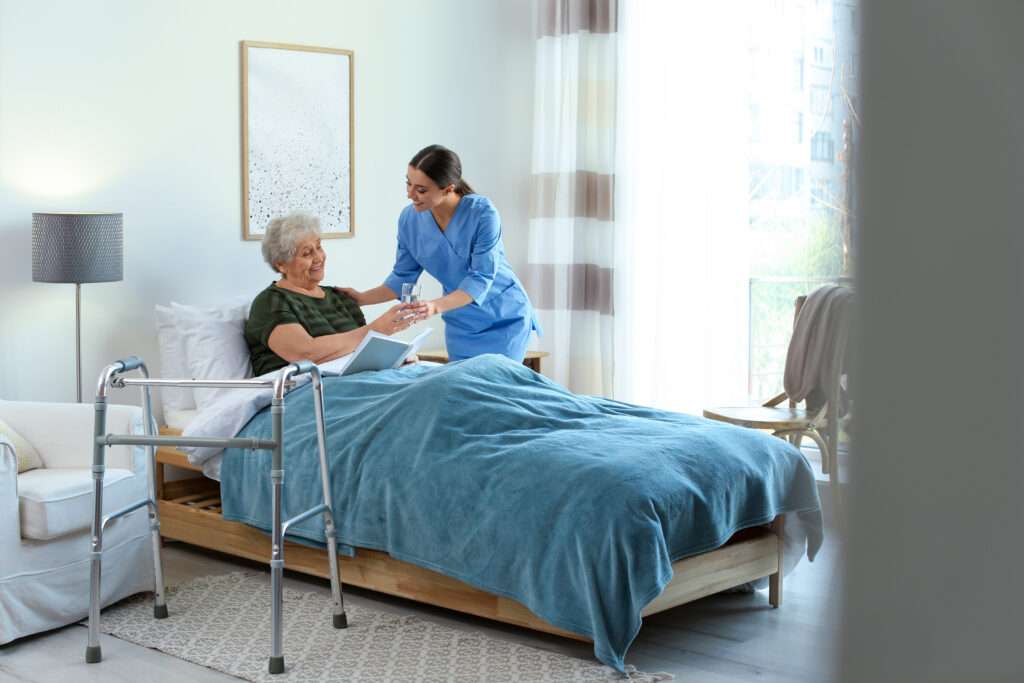
Palliative care environments are built around comfort, dignity, and quality of life. Seating plays a central role in achieving this, supporting patients physically while also contributing to a calm, reassuring atmosphere for families and staff.
When palliative care patients have complex or changing needs, or find it difficult to communicate, choosing the right chairs can be challenging. The key is selecting versatile, supportive seating that adapts to individuals while remaining practical for clinical use.
Drawing on our experience from working with palliative care teams, this guide outlines what to look for, and highlights three of our seating solutions.
Jump straight to…
What to Look for in Palliative Care Seating
Before we select specific models of seating, it’s important to understand the core requirements of effective seating in palliative care wards:
Correct fit for a range of body types
Flexibility and adjustability within the chair itself is key to cater to a range of different sizes. This can be achieved with built-in seat depth, width and height adjustment.
Pressure relief to reduce risk of ulcers
Skin can be fragile and more susceptible to pressure sores in the palliative stages of care, so it is important to prevent pressure build up and keep skin cool and hydrated.
Postural support for long periods of sitting
Keeping patients supported in the chair is possible due to a range of postural supports and accessories designed to improve pelvic support and positioning.
Ease of cleaning for infection control
Wipe-clean fabrics and smooth surfaces are best for keeping chairs clean and bacteria-free, which is best for infection control environments.
Mobility and flexibility for staff use
Being able to easily move the chair around give access to a greater number of patients.
A homely aesthetic to reduce clinical feel
Palliative care environments are designed to give a homely and comforting feel, so the style of seating should reflect this.
Get Expert Advice
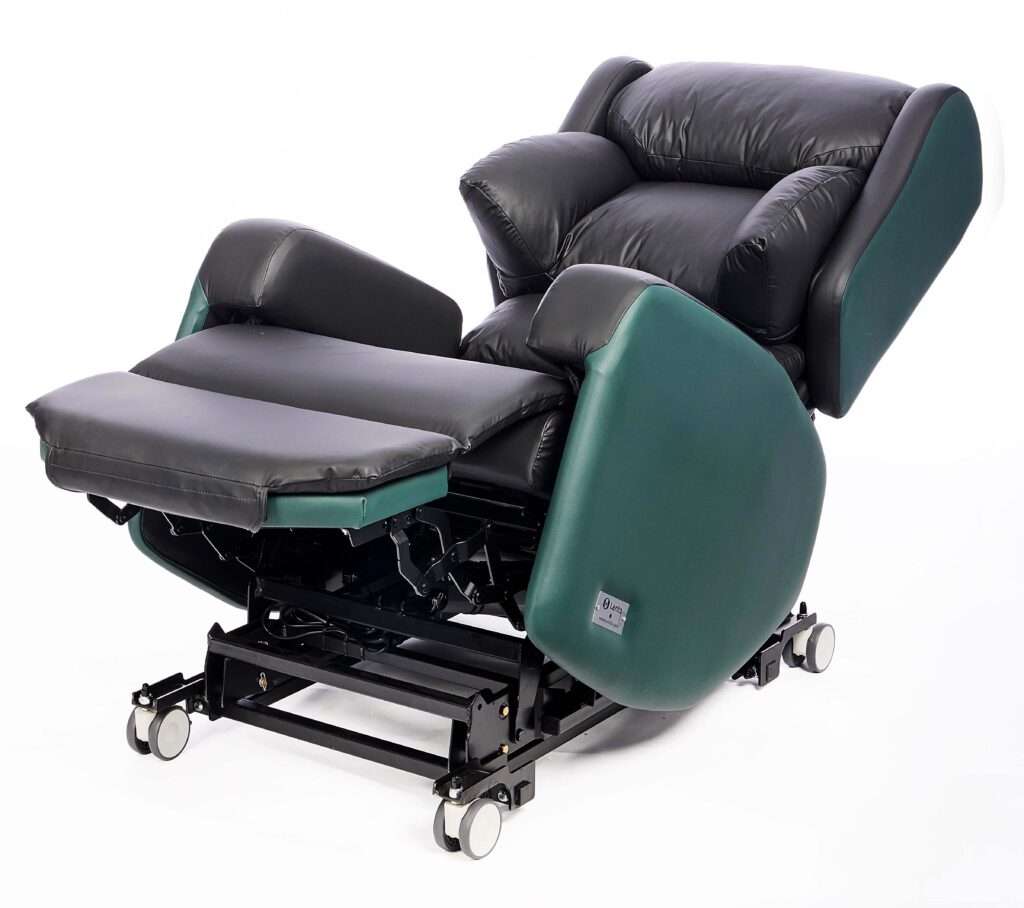
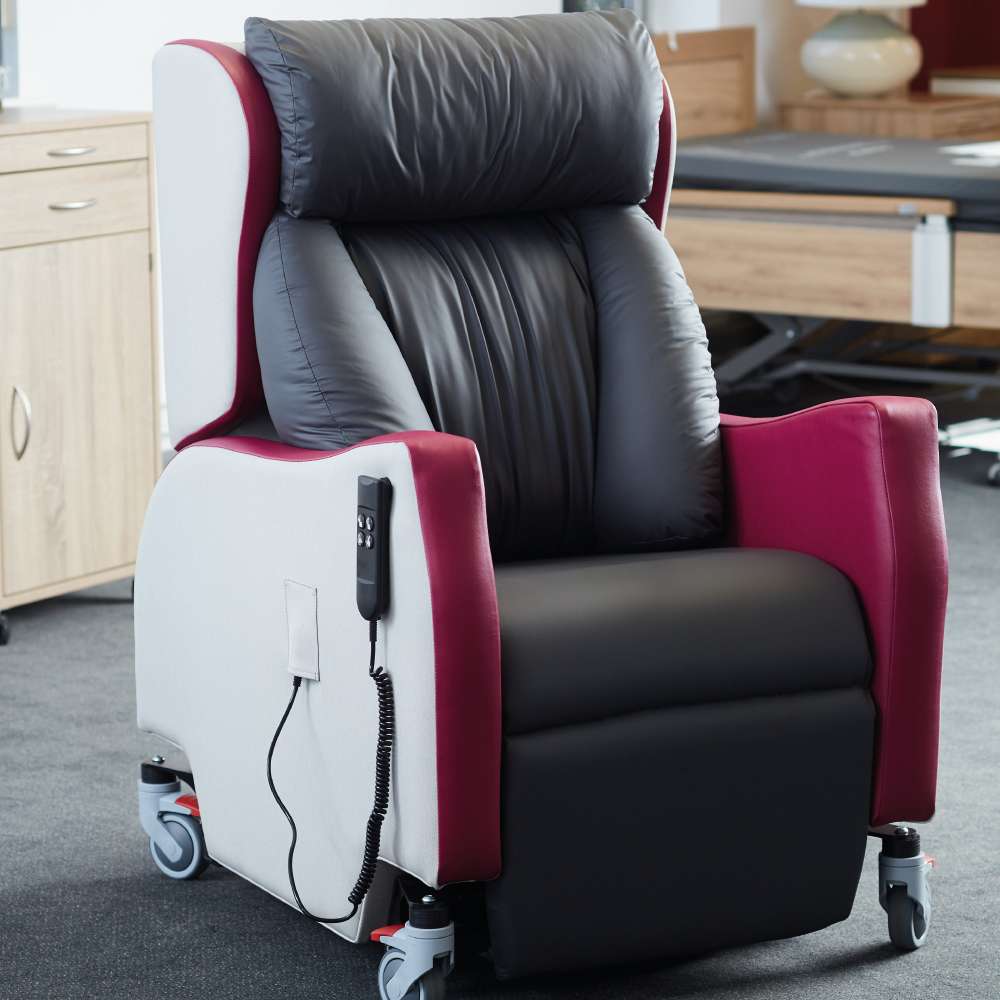
Arene Rise & Recline Chair
The Arene Rise & Recline Chair is a versatile and supportive seating solution designed to enhance comfort, independence, and ease of care in palliative environments.
Key Benefits
- Electric rise and recline functionality to support safe transfers
- Multiple positioning options for comfort and pressure management
- High levels of cushioning to support long periods of sitting
- Intuitive controls for both patients and caregivers
- Available in healthcare-grade, wipe-clean fabrics
Best For
- Patients with limited mobility who require assistance standing
- Individuals needing flexible positioning throughout the day
- Environments where both comfort and independence are priorities
The Arene chair provides a more dynamic seating solution, helping patients maintain comfort while also supporting safer movement and dignity.
Lento Mobile Chair
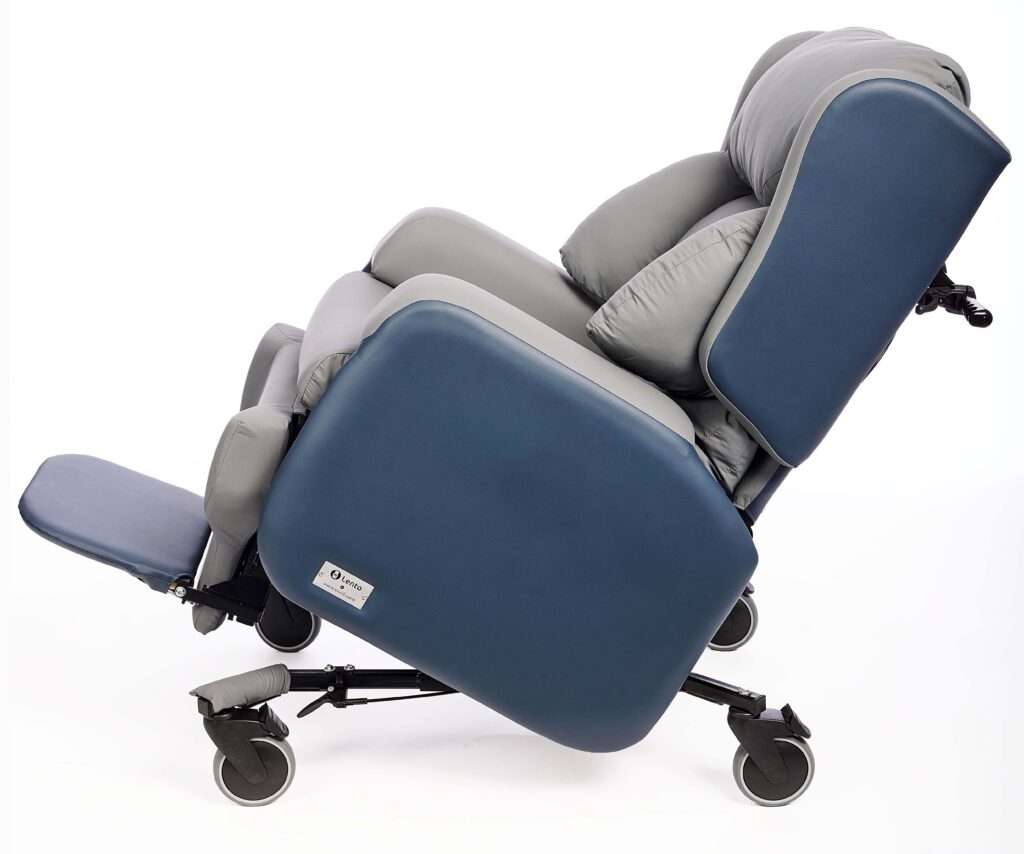
The Lento Mobile is a more advanced care chair designed to support both patient comfort and caregiver efficiency.
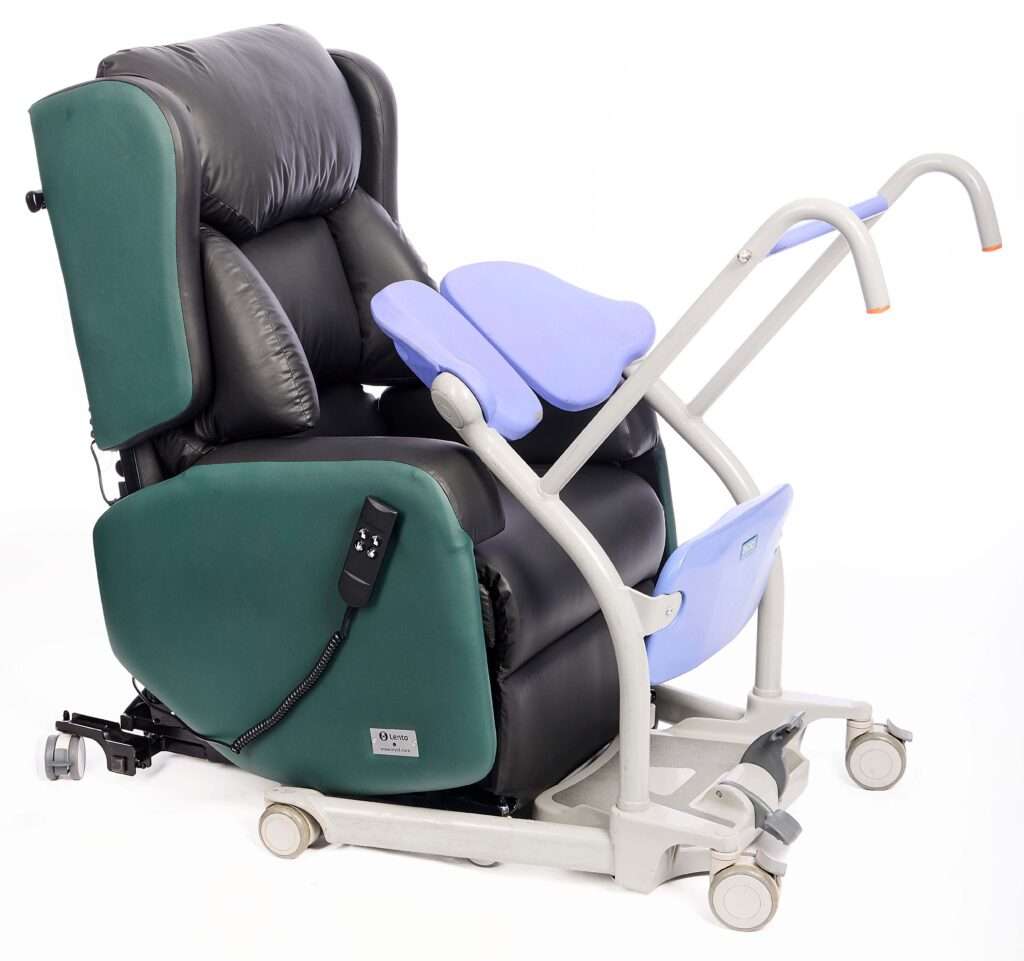
The Sara Stedy compact is one of multiple standing patient hoists that can be used alongside the Lento Mobile riser recliner chair.
Key Benefits
- Tilt-in-space positioning to redistribute pressure
- Supports pressure care management and comfort
- Mobile base with castors for easy movement
- Adjustable positioning for changing clinical needs
Best For
- Patients at high risk of pressure sores
- Individuals requiring frequent repositioning
- Wards where mobility and flexibility are essential
The Lento Mobile is particularly valuable in higher-dependency settings, where both clinical performance and ease of use are critical.
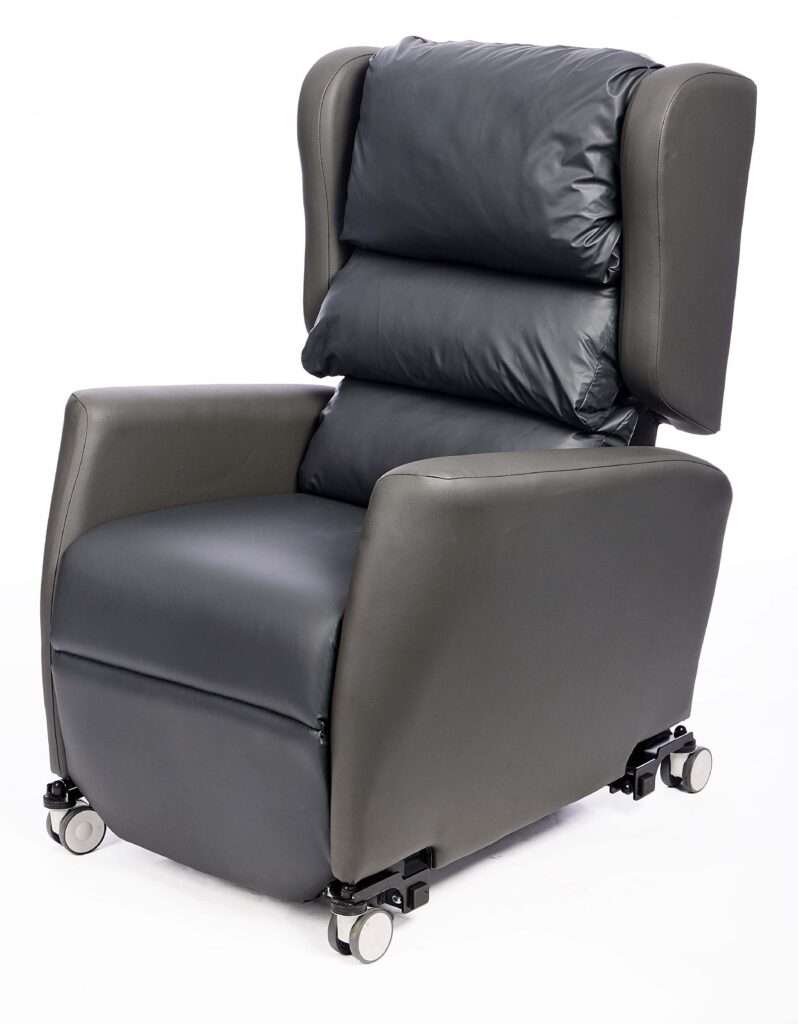
Levara Chair
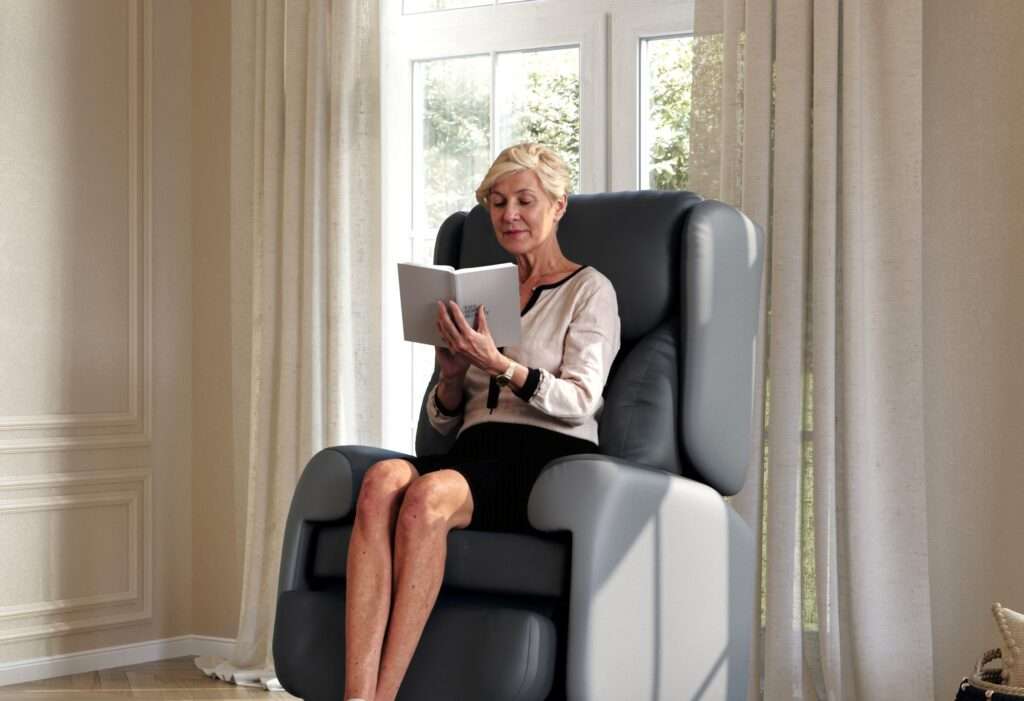
The Levara chair is a standardised recliner chair built for hospital wards. The more contemporary, furniture-like appearance creates a softer, more welcoming care environment.
Key Benefits
- Modern, less clinical design to enhance surroundings
- Comfortable and supportive for long-term seating
- Suitable for multi-purpose spaces
- Helps create a more homely atmosphere
Best For
- Patient rooms and family spaces
- Facilities aiming to reduce a clinical aesthetic
- Environments where comfort and design are equally important
The Levara is ideal for bridging the gap between clinical performance and interior design needs.
Creating a Comfortable & Supportive Environment
The most effective palliative care spaces combine different types of seating to meet a wide range of needs.
Consider mixing chair styles while coordinating colours, using warm, calming upholstery. This approach helps create a space that feels less institutional and more like home, which is an important factor for both patients and visitors.
Durability & Infection Control
Palliative care wards require furniture that can withstand frequent use while maintaining high hygiene standards. Look for durable frames and components, medical-grade, wipe-clean fabrics and designs that minimise gaps and seams.
Chairs like the Lento Mobile and Levara are built with these demands in mind, balancing practicality with comfort.
Arrange a Trial or Demonstration
Before making a final decision, trialling chairs in your own environment is essential. Our seating specialists can visit your hospital ward with our range of chairs, to see how they function within your ward.
This allows you to test chairs with real patients, gather feedback from staff and families and assess comfort, usability, and maintenance.
A trial ensures the seating performs as expected in day-to-day care.
Book a Demonstration or Trial
Conclusion
By combining thoughtful design with practical features, the right seating can make a meaningful difference in delivering compassionate, high-quality palliative care.
Frequently Asked Questions

Ralph has many years' experience in the healthcare sector. In a previous life he worked in finance, and his spreadsheet skills come in handy for all the analysis and research he does as he investigates topics and solutions for some of the world's most complex healthcare conditions and challenges. Aside from writing in-depth articles and organising webinars and interviews with top healthcare professionals, Ralph also administrates Vivid's "Healthcare Pioneers Board", a large group of healthcare specialists with multiple disciplines, who are working together to improve care for years to come.


Send us a message
Just fill out this form and we'll get back to you within 1 working day.