Best Chairs for Rheumatology Conditions


Rheumatic conditions can have a significant impact on mobility, independence, and overall quality of life.
However, specialist seating can become an important part of symptom management. The right chair can help reduce joint strain, improve posture, and support painful muscles during flare-ups. In both hospital rheumatology departments and at home, supportive seating can make daily activities safer and more manageable.
In this article we explore the key seating features that benefit people with rheumatic conditions, and recommend our most suitable chairs for clinical and home environments.
Jump straight to…
What is Rheumatology?
Rheumatology is the study, diagnosis and treatment of rheumatic (inflammatory) diseases that affect connective tissues in the body.
These conditions are usually caused by autoimmune problems where the immune system mistakenly attacks joints, muscles and connective tissues, causing inflammation in these areas.
Different types of rheumatic diseases
Rheumatology is a huge medical specialty with over 200 rheumatic and musculoskeletal (MSK) disorders.
While these are usually autoimmune disorders that cause inflammation in the body, such as rheumatoid arthritis, some are musculoskeletal conditions that originated with an MSK injury.
Some of the more well-known rheumatology conditions include types of arthritis (osteo and rheumatoid being the two most common types), connective tissue diseases, vasculitis, gout, and ankylosing spondylitis.
Rheumatic diseases can affect children and young people under 16, such as juvenile idiopathic arthritis (JIA) and joint hypermobility.
Patient pathways for rheumatology
Patients with these conditions are typically first seen in primary care by a GP, where they may be referred to a rheumatologist or consultant at hospital for specific treatments.
Rheumatology departments in hospitals are heavily outpatient-based, seeing patients with a wide variety of arthritic and inflammatory diseases.

Get Expert Advice
Our specialists will help you find the perfect solution
Best Chairs for Rheumatological Conditions
As autoimmune disorders, there is not always a complete cure for these conditions, although symptoms can be improved with medications, lifestyle factors and anti-inflammatory diets.
This is where seating adaptations become important, particularly the choice of chair and the features within it, not just while receiving treatment in hospital but for long-term use at home as well.
These are some of the areas where seating features can go a long way in helping people with rheumatic problems:
Swelling and inflammation
Leg elevation can be effective in improving circulation, reducing swelling and build-up of fluid in the legs.

Joint pain
Using tilt-in-space to achieve zero gravity positioning can reduce stress and strain on the joints, reducing joint pain. Tilt in space reduces pressure on the joints and allow muscles to rest and relax. This can be aided further by breathable, viscoelastic fabric to prevents the build-up of heat and moisture, keeping the skin cool and hydrated.

Stiffness and mobility problems
Stiffness in the joint and limbs is most problematic when standing up or sitting down, which is where sit-to-stand mechanisms can assist.
Things like the angle of rise in riser recliners and the types of armcaps can make the difference between painful movement where there is a risk of falling and a safe, smooth transfer.

Book a Free Seating Demonstration
Our specialists will help you find the perfect solution
Best Chairs for Hospital Rheumatology Departments
As an outpatient specialty, rheumatology appointments will usually involve a detailed assessment by a rheumatology consultant/nurse and a physical examination, as well as blood or urine tests.
Lento Care Chair
The Lento Care Chair is particularly well suited to hospital rheumatology departments because of its advanced postural support, tilt-in-space functionality, and pressure management features.
This chair can help patients maintain a comfortable sitting posture during longer appointments or treatment sessions.
Key benefits include:
- Tilt-in-space for pressure redistribution and pain relief
- Independent backrest recline and elevating leg rest
- Pressure care options such as Levitex foam, gel or alternating air cushions
- Adjustable headrest and lateral support
- Hospital-grade fabrics for high infection control
- Smooth castors for safe movement
The ability to achieve zero-gravity positioning can significantly reduce stress on painful joints and fatigued muscles.
Best Chairs for Community Use with Rheumatic Conditions
Seating interventions can reduce chronic pain and perceived pain levels with the right features, such as zero gravity (simulating weightlessness), extra padding, adjustable wadding, waterfall backrest cushions, and good head support. These seating features should be prioritised for the home and residential care:
- User friendly buttons and controls
- Independent backrest adjustment – good for ankylosing spondylitis, where the spine might be painful
- Vertical rise to reduce pressure on the joints when standing

Nidderdale Riser Recliner
The Nidderdale Rise Recline Chair is great for the home environment, particularly people living with long-term rheumatic conditions that affect mobility, pain levels, and fatigue.

Nidderdale Armchair with scroll armrests
Its dual motor functionality allows users to independently adjust the backrest and leg rest to find comfortable positions throughout the day, while the rise function assists with standing safely.
This chair is particularly beneficial for:
- Rheumatoid arthritis
- Osteoarthritis
- Ankylosing spondylitis
- Chronic pain and fibromyalgia
- General mobility difficulties
The soft waterfall backrest cushions also provide adaptable support for users who experience changing pain patterns and posture needs.
VELA Tango Chair
Great for long term chronic conditions like fibromyalgia or lupus, the VELA Tango chair helps users get around their daily activities with ease and minimal effort, conserving energy and making flare-ups more manageable.
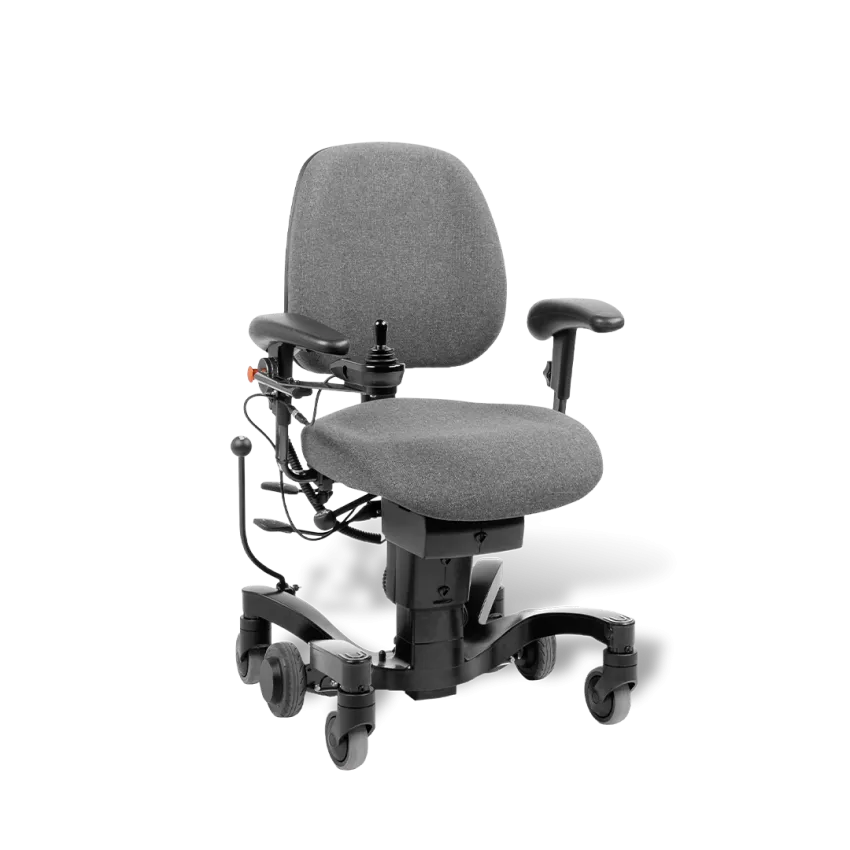
VELA Tango 700E with Power Wheels
Conclusion
Rheumatological conditions can affect every aspect of daily life, from mobility and posture to energy levels and pain management. While medication and therapy remain central to treatment, specialist seating can also play a vital role in improving comfort, supporting posture, and maintaining independence.
Whether in a hospital rheumatology department, rehabilitation setting, or private home, the right chair can reduce joint stress, improve circulation, assist with transfers, and help individuals manage their condition more effectively.
Recommended Products

Lento Care Chair
The Lento Care chair has been clinically designed to address the complex care needs of anyone over 5’ 2”, particularly those who need to be hoisted.
Enquire About This Chair
VELA Tango 700E Chair
The VELA Tango 700E chair is a customisable seating solution that enables independence at home or at work.
Enquire About This ChairFrequently Asked Questions