Orthopaedics is the branch of medicine related to treating injuries and diseases of the musculoskeletal system. These can be injuries such as broken bones or ligaments, or conditions like arthritis, spine and postural deformities, which is where our role overlaps as seating specialists.
While our chairs aren’t medical products per se, they do play a key role in supporting good musculoskeletal health and are used to alleviate conditions relating to the joints, spine and other postural issues.
Jump straight to…
What are orthopaedic chairs?
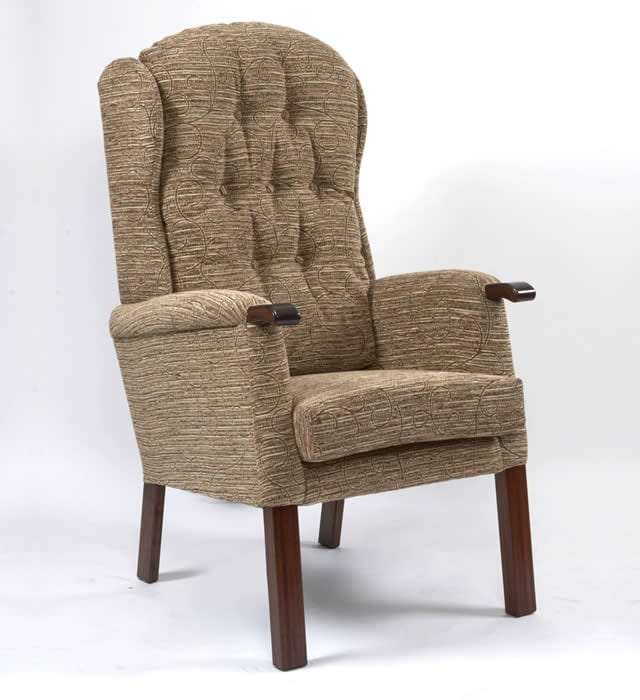
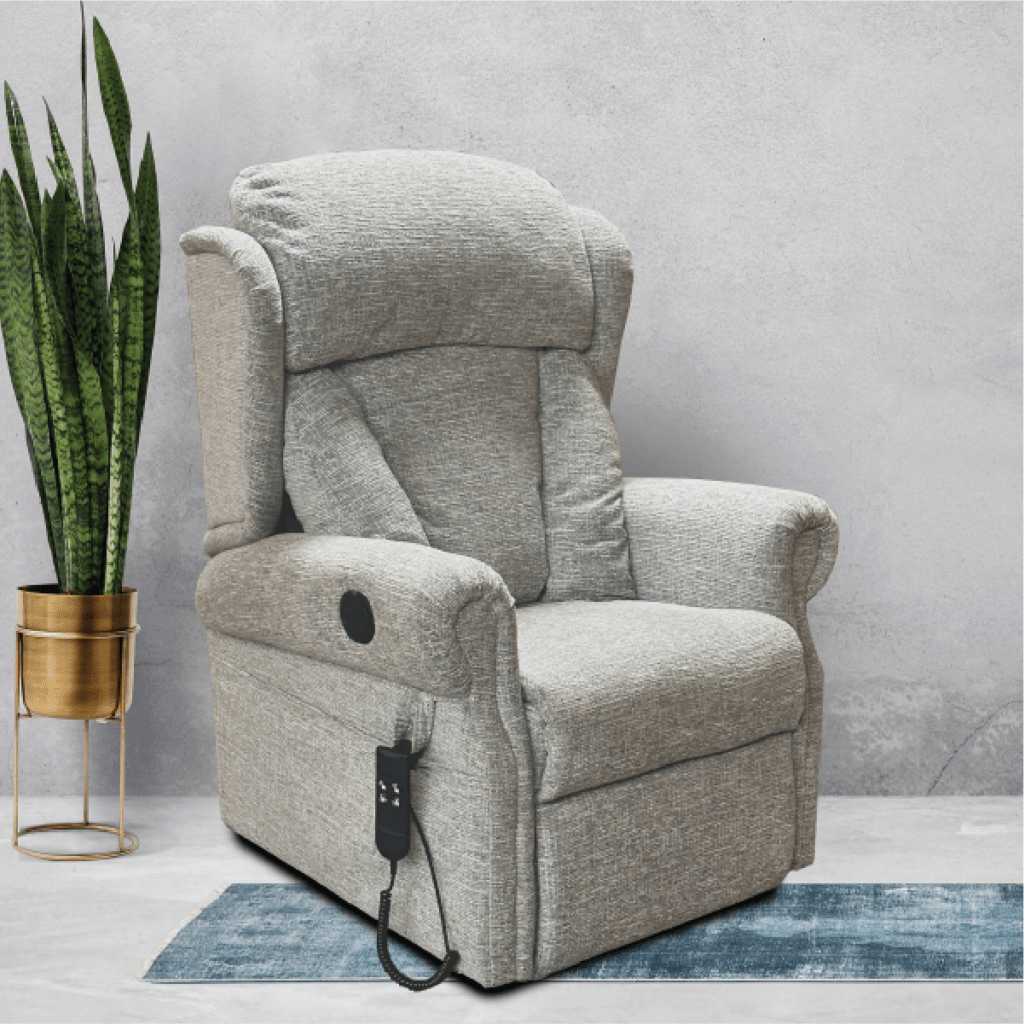
Orthopaedic chairs are specifically designed to alleviate joint pain, backache, arthritic conditions and headaches by encouraging good posture and providing support where it is needed most.
What does an orthopaedic chair do?
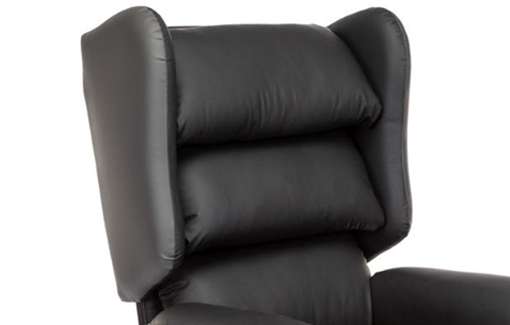
Orthopaedic chairs provide postural support throughout the chair in the neck, back and pelvic regions, encouraging a balanced sitting posture and counteracting any postural deformities that may have developed.
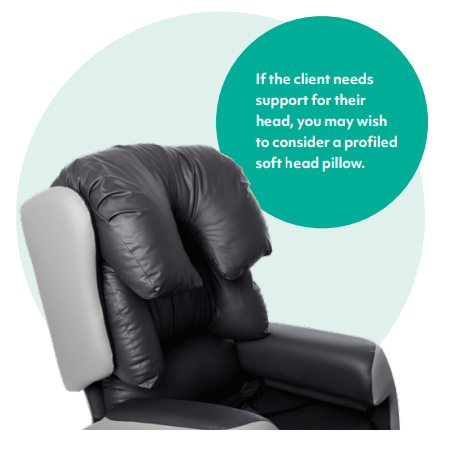
Neck Support
Keeping the head supported in a neutral position helps promote a good midline posture in the chair, improving spine health. It also helps alleviate strain for those who may have weak neck and shoulder muscles.
Back Support
It’s critical to choose the right back support for people who need extra postural support in the chair. The best chairs for back pain will support your back from the neck region right down through the lumbar region to the sacrum, supporting a natural S-shaped spine.
The choice of backrest style is important, whether this is a soft backrest, lateral backrest or waterfall cushions, as different spinal deformities will need different types of support. Our guide to backrests explains some of the different types available and who they are used for.
Hip Support
Supporting the hips and pelvis is essential to create a neutral pelvic position, as the rest of the body’s sitting posture flows out from this. The back of your sacrum should be up against the backrest and the knees level with the hips to create good pelvic alignment.
Our new Levitex® seat system has a revolutionary patented design that actually cradles the pelvis, conforming more naturally to the shape of the thighs and significantly reducing mean pressure.
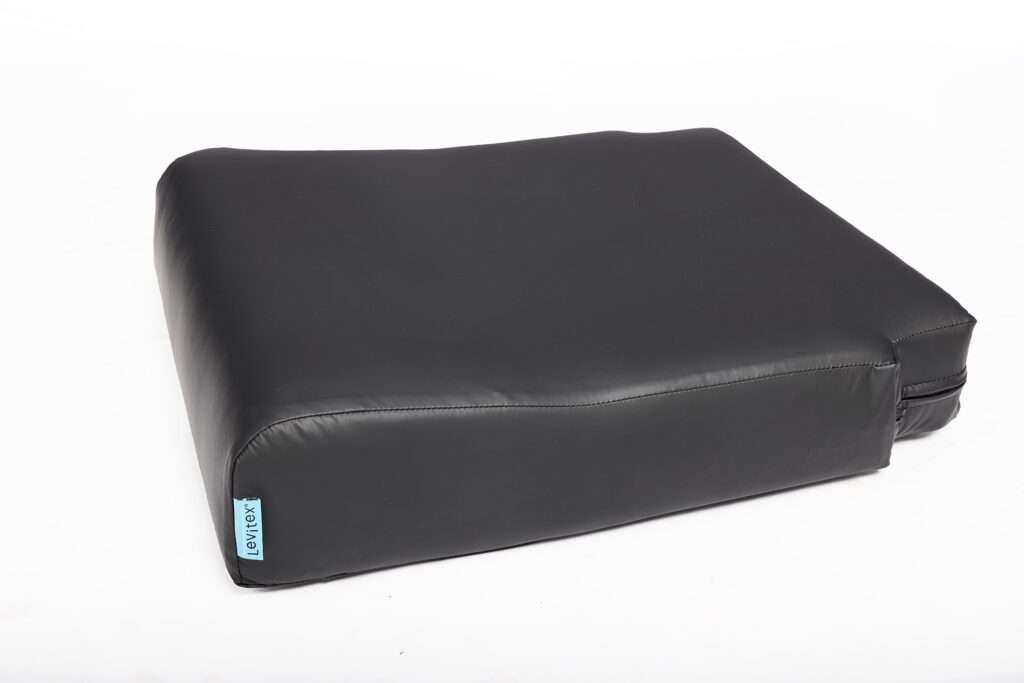
Levitex® Cradle Cushion
What is the difference between an ergonomic chair and an orthopaedic chair?
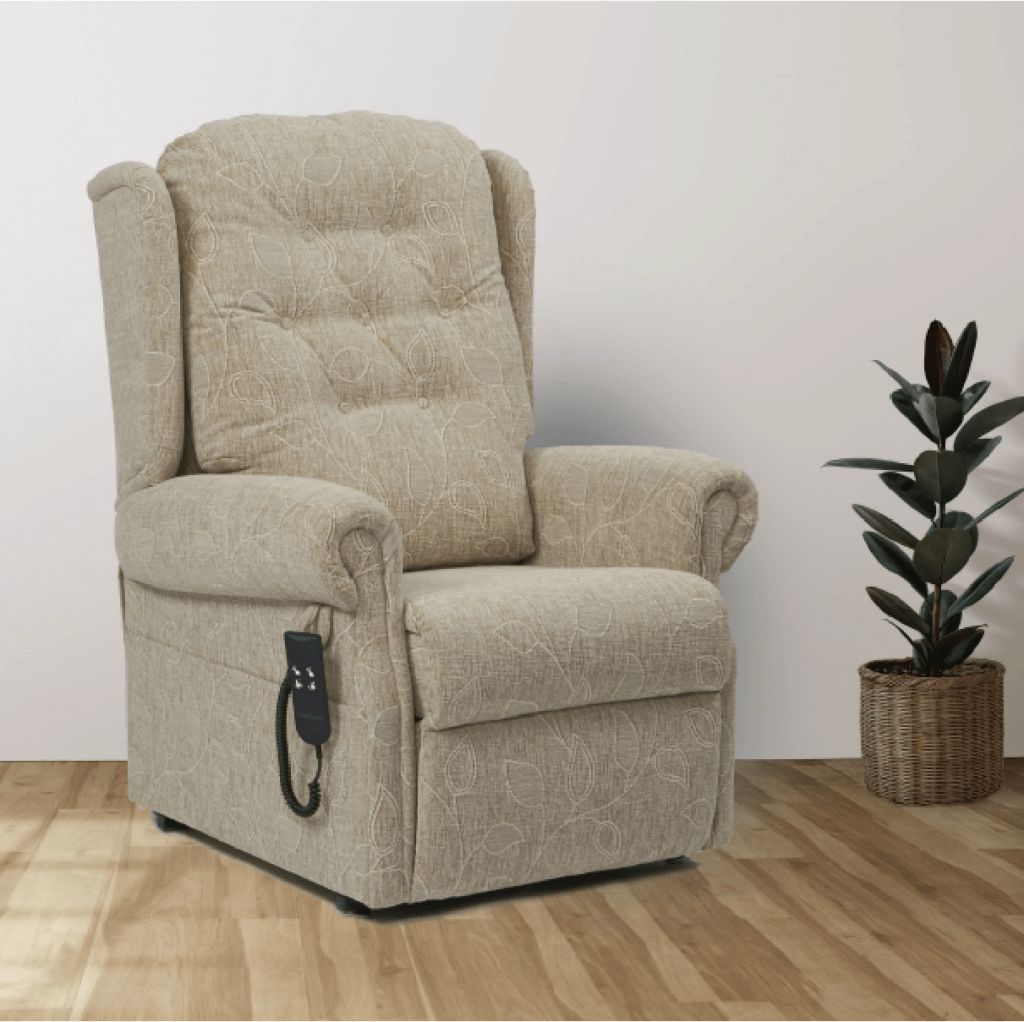
Ergonomic chairs support the same ergonomic principles as orthopaedic chairs, helping maintain a balanced and comfortable posture through seat sizing and positioning. An example of an ergonomic chair in our range is the High Back Bedside Chair, which has a slightly angled seat rake and angled backrest to help hospital patients sit comfortably but mobilise easily, and an adjustable lumbar support section.
Orthopaedic chairs are a level up from ergonomic chairs in terms of their postural support, often featuring extra seat systems and more adjustability within the chair itself. This is because they are used for people with known orthopaedic conditions like arthritis or sciatica.

Browse Our Orthopaedic Chairs
How to choose the best orthopaedic chair for you
If you have been diagnosed with an orthopaedic condition or musculoskeletal disorder, your GP should be able to refer you to an Occupational Therapist to get a seating assessment.
We work with many community and private OTs specifying seating for clients with postural deformities. Here are some recommended steps to finding the best orthopaedic chair for you or a loved one:
Identify your postural needs
If you have had a diagnosis from a GP or are experiencing discomfort such as a back pain, it’s important to get a specific medical assessment or diagnosis to understand the physical problem. If you are needing a chair to alleviate general aches and pains, a more basic recliner or ergonomic high back chair might be the one of you. However if you have a diagnosed postural issue such as scoliosis or kyphosis, a more specialist postural chair might be needed, prescribed through your OT.

Comfort comes first
It’s easy to get caught up in the jargon, but if a chair is making you comfortable, it’s generally doing its job. Pain is the body’s natural signal that something is wrong with our sitting posture or musculoskeletal health, therefore if the chair has been specified correctly it will alleviate the underlying issue and bring comfort back to your sitting experience.

Look for adjustability
Adjustability is the secret sauce in seating that gives you the flexibility to change your sitting position over time, maintaining your comfort and managing the fluctuations that come with your condition.
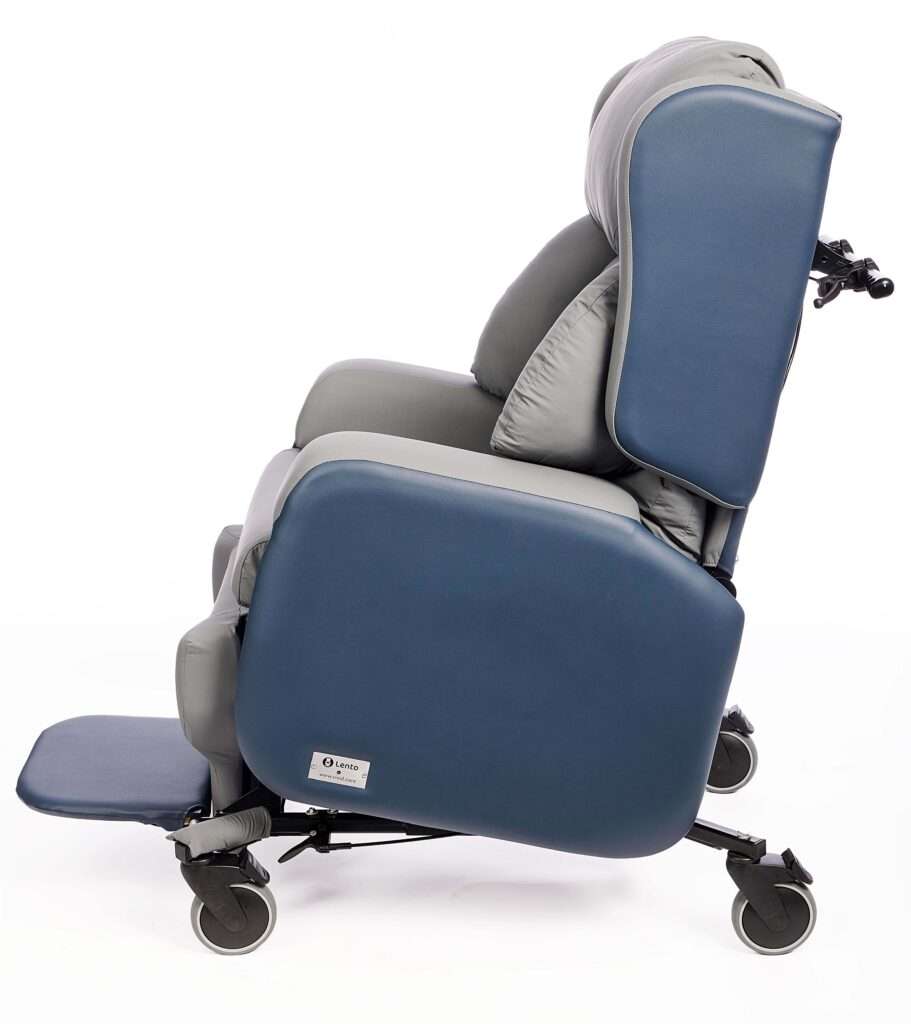
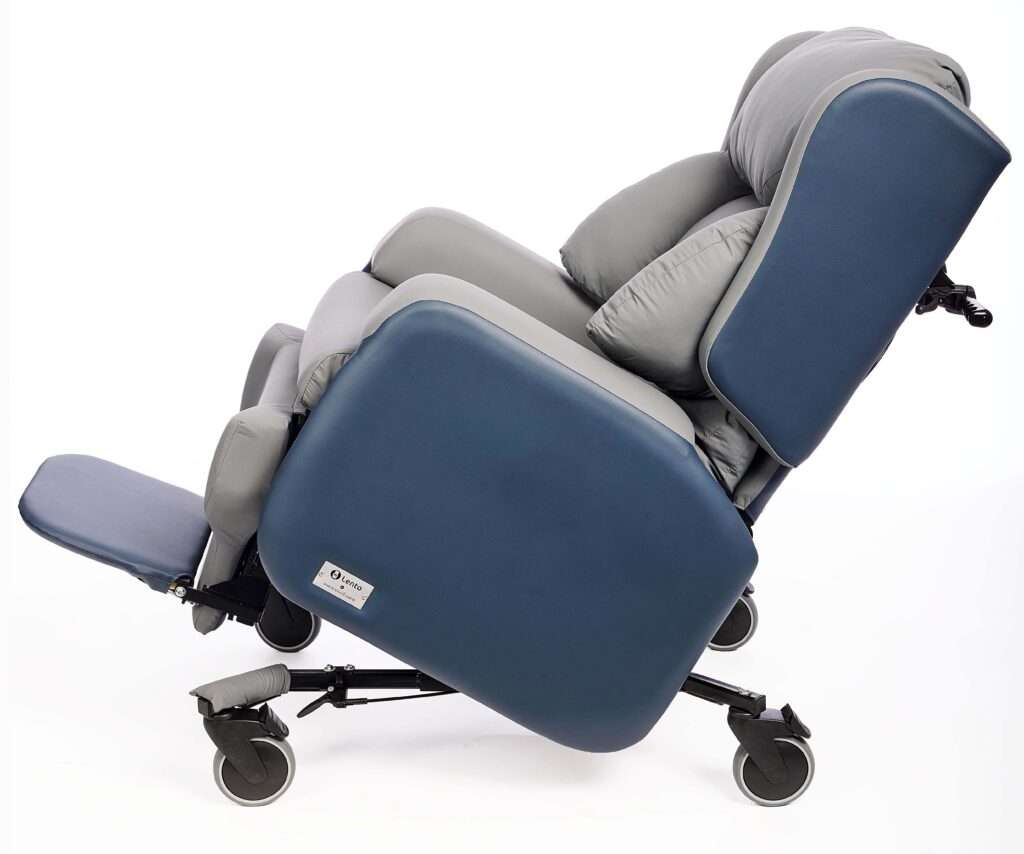
Our Lento range is known as the most adjustable postural seating, with toolless adjustment for seat width, height, depth, armrest and back height, as well as the ability to interchange backrest and seat cushions with our magnetic attachments. This not only saves time and money but allows a personalised level of comfort for each individual person.
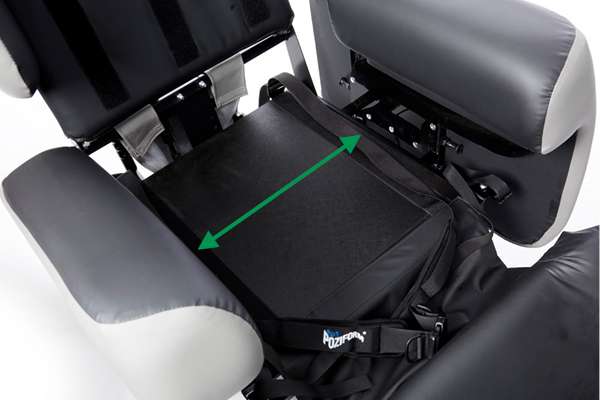
The Lento care chair has adjustable seat width so you can change the chair to match the person’s pelvic positioning if it changes over time.
Don’t forget seat sizing
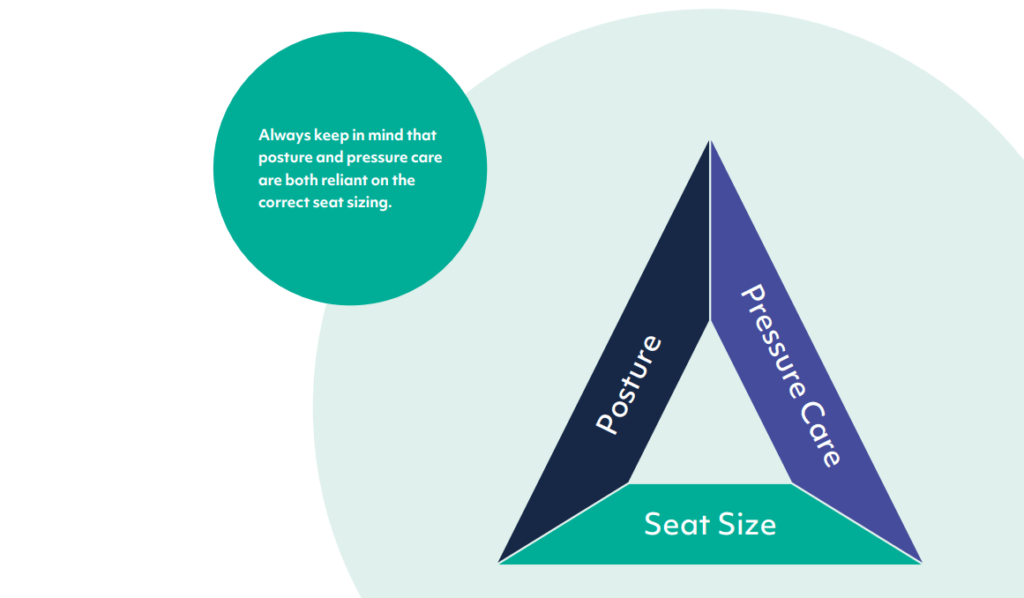
The key to keeping posture aligned and maintaining comfort is making sure the seat dimensions are correct. This underlies good posture and pressure care in the chair, as a wrong metric can lead to unhealthy postural habits to compensate, such as slouching (sitting sacrally), leaning or windswept legs. Our guide to measuring for specialist seating explains how to do this correctly.
Arrange a Free Seating Assessment
Conclusion
Orthopaedic chairs are designed to support the body’s natural alignment and reduce strain on the joints, spine and muscles. Unlike standard seating, they provide enhanced lumbar, neck and pelvic support, making them ideal for people with arthritis, back pain or diagnosed postural conditions.
If you’re looking for the best chair for backache, the best armchair for back pain, or supportive armchairs with lumbar support, choosing a chair that matches your specific postural needs can significantly improve daily comfort and long-term musculoskeletal health.
Frequently Asked Questions
What is the best chair for sitting in all day?
A chair with adjustable height, good lumbar support, and pressure-relieving cushioning. Orthopaedic chairs are ideal for long periods of sitting, especially if you have existing pain.
What type of chair is best for arthritis?
A supportive, medium-firm chair with strong armrests and pressure-relieving cushioning to make sitting and standing easier.
What type of chair is best for back pain?
A chair that supports the natural curve of the spine, especially the lumbar region, and keeps hips and knees aligned.
What firmness is best for arthritis pain?
Medium-firm. Too soft makes standing difficult; too firm can increase joint pressure.
What firmness is best for back and hip pain?
Medium-firm with good pelvic and lumbar support to prevent slouching.
Can I get orthopaedic chairs on the NHS?
If clinically required, an Occupational Therapist may assess you and arrange specialist seating through local NHS services. Eligibility depends on your area and condition.

Ralph has many years' experience in the healthcare sector. In a previous life he worked in finance, and his spreadsheet skills come in handy for all the analysis and research he does as he investigates topics and solutions for some of the world's most complex healthcare conditions and challenges. Aside from writing in-depth articles and organising webinars and interviews with top healthcare professionals, Ralph also administrates Vivid's "Healthcare Pioneers Board", a large group of healthcare specialists with multiple disciplines, who are working together to improve care for years to come.