Occupational Therapy is a profession dedicated to helping people overcome barriers to independence. It has a wide and varied role within the health and social care sector, and a lot of what we do at Vivid Care dovetails with the work of occupational therapists (OTs) in community and acute care settings.
Having worked with OTs over the past 40 years, we wanted to give readers an insight into what their work involves, whether you are an aspiring OT, involved in patient care, or just curious to know more.
Jump straight to…
What is occupational therapy?
Occupational Therapy is an allied health profession that integrates occupational science, healthcare and medicine, and an intricate knowledge of social care and the medical-legal system. Occupational therapists are supported by the Royal College of Occupational Therapists (RCOT) and regulated by the Health & Care Professions Council (HCPC).
What do occupational therapists do?
Occupational Therapists (OTs for short) work with people of all ages, helping them find meaning and purpose in activities of daily living (ADLs). OTs will often ask what the client values most in their assessment, as this is key to goal-setting. This might sound like a very broad definition, but at its core OTs use their skillset to help people overcome challenges in their daily occupations to bring independence, fulfilment and purpose back into their lives.
‘Occupation’ in this context means day-to-day functioning. This is very wide-ranging, and can be anything from basic self-care routines to productive activities like work or study, caring for and spending time with others, or social and leisure time. Central to occupational therapy is the belief that occupation (activities we do in our daily lives) impacts our mental, physical, social and spiritual wellbeing.
The OT’s job involves working with the client and those closest to them to collaboratively create a plan of the client’s desires, wishes and goals and the adjustments needed to achieve these, that is practical, realistic and personalised to the individual, then designing therapeutic interventions to help them achieve this.

Myths about occupational therapy
Many people believe occupational therapists either help people get jobs, or get them basket-weaving! Indeed this is a myth and based on very outdated stereotypes, there is so much more to the profession than this. It may involve these things if the client wishes to engage in this specifically, however OTs are trained to assess and treat a huge range of people all with wildly different goals and ambitions. Through the use of activity, OTs can support people to change their lives or fulfil dreams.
Spheres of work
Occupational therapists work in many different settings across physical health, mental health and social care. This may be in people’s homes, care homes, rehabilitation wards, schools, prisons, learning disability centres and mental health hospitals, as well as more unexpected areas like veterans, homeless and hospice care.
Private occupational therapy
Some OTs work in private practice or set up as independent OTs, with expertise and passion in specific areas such as the medical-legal sector, supporting with expert witness work and case management.
Community Care
In community care, occupational therapists could be helping someone adapt or rehabilitate in their own home, avoid hospital admission with urgent assessment and treatment, work with a supported living facility to upskill and train care staff to meet needs, or support people back into the workplace.
Hospitals
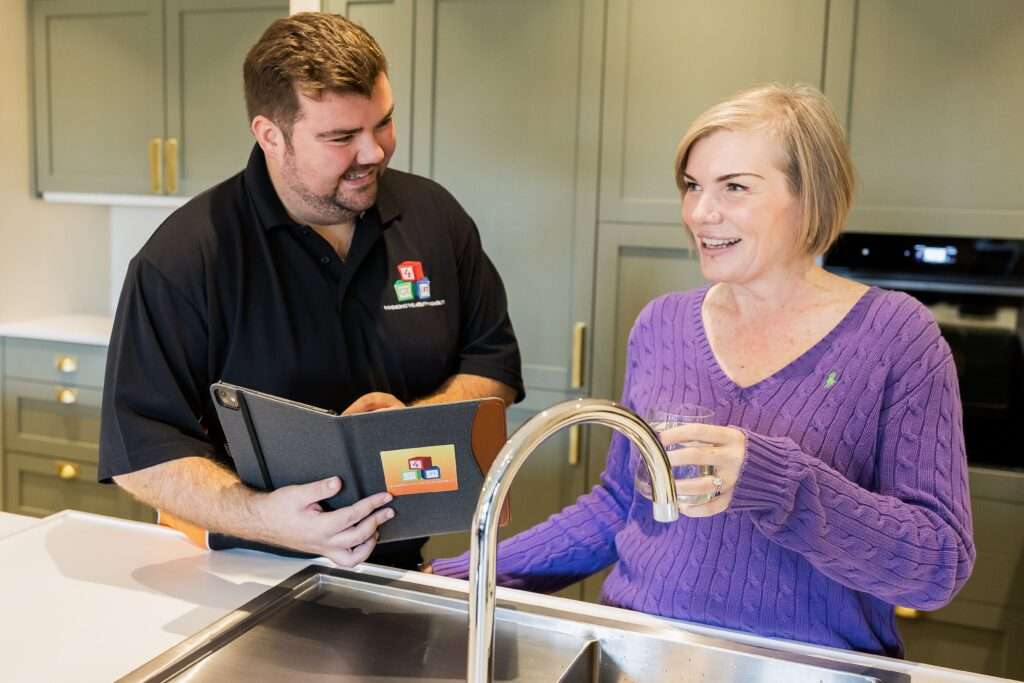
OTs in acute care work across hospitals wards like neurology, A&E, rehabilitation, and elderly care, seeing people in outpatient appointments, and facilitating treatments to restore or compensate for a patients’ ability to carry out daily activities before they are discharged back into the community.
OTs work with a wide range of conditions, from mental health, neurological and physical health problems, to terminal illness or learning difficulties. This is why we have such a vast library of blogposts and resources covering so many different conditions.
Browse Our Resources
So all told, occupational therapy covers an awful lot! OTs sometimes joke it is ‘all of the above’ when looking at what their work involves. And indeed this is true, because of the holistic nature of the role when looking at the occupational needs of each individual.
Aaron Craven, an independent OT and Director of OT4Life Occupational Therapy who we work closely with, sums up the work of an OT perfectly:
“At OT4Life we work with a huge range of clients all from different walks of life with a variety of needs and goals. I don’t feel there is one fixed definition that reflects all occupational therapists as our work is so broad. The main driving force behind what we do is functional ability and and bringing meaningful goals to people’s lives. We work a lot with Vivid Care and Innova Care Concepts, and have achieved some great success stories together supporting people.
At OT4Life we have supported people to do some truly wonderful things. From goals as simple as being able to brush your own hair after a stroke, right through to ramping and improved transfers to be able to get on a quad bike with bilateral leg amputations and tend sheep! Or a bedbound client in 24-hour care attending a son’s wedding day, with the use of specialist moving and handling transfers and specialist seating.
At OT4Life we don’t start with asking what’s the matter with you. We ask what matters most to you – then we build everything around that.”
Occupational Therapy Assessments
Following the initial assessment of the client’s needs in their own environment, goals are set and then work is then needed to help them on the road to achieving this.
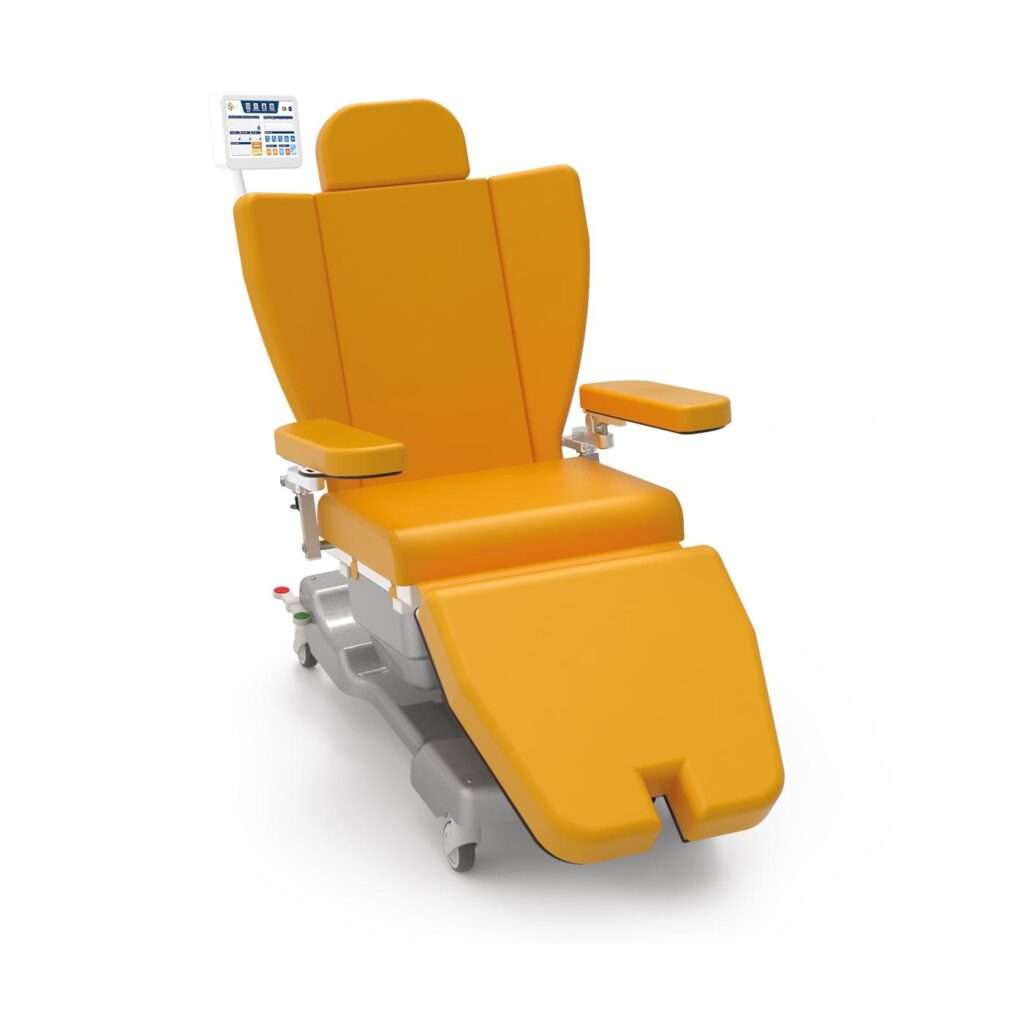
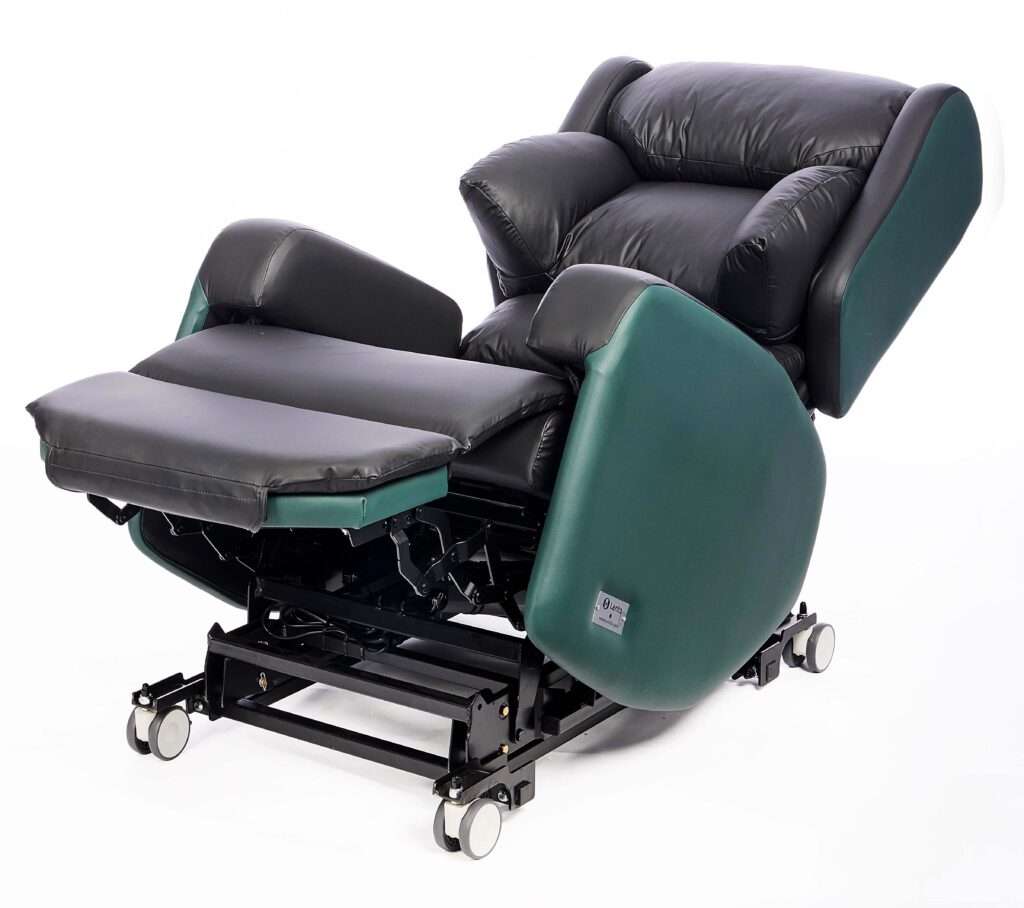
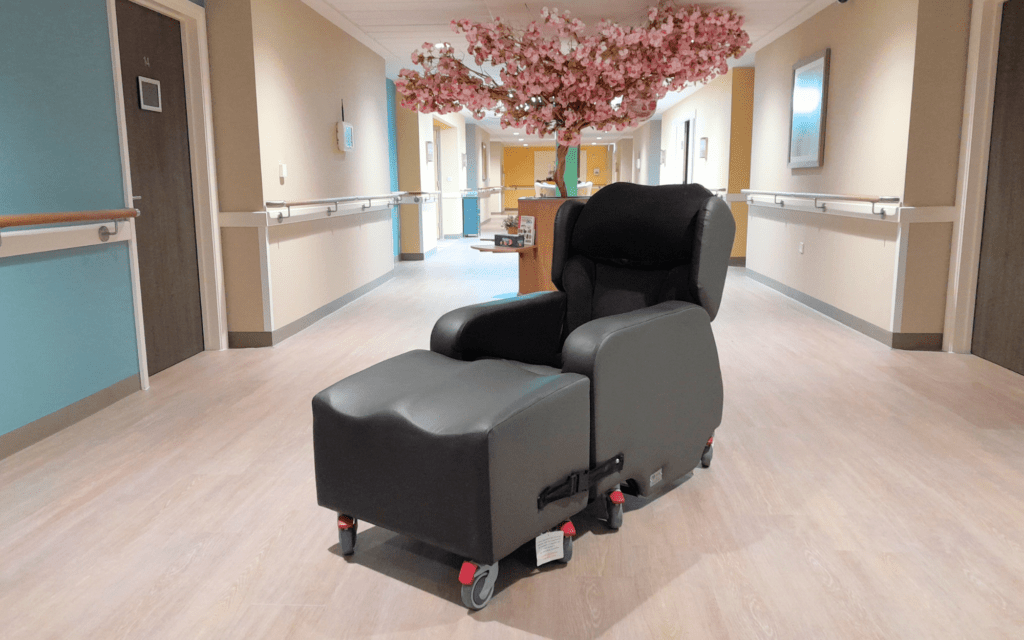
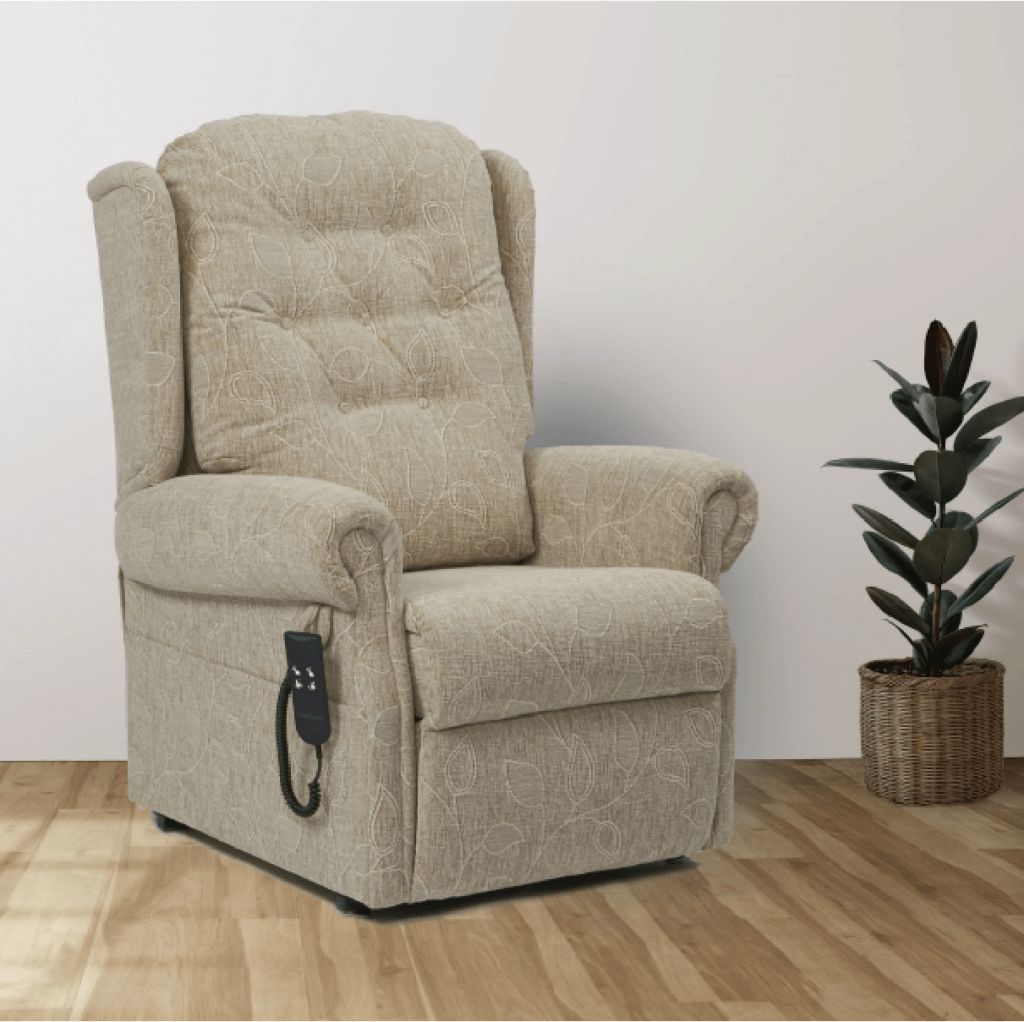
As well as helping them develop their individual skills and redesigning tasks to make them easier, they might need adaptations to their environment, which is where we come in! This could be an adapted living space or assistive equipment like care chairs or beds.
We carry out joint assessments with public and private OTs, demonstrating our seating and care equipment on a no-obligation basis at the client’s home or in our showroom.
Book a Seating Assessment
We select the most appropriate equipment for the client to try before the assessment, which can be adapted with specific features and accessories to suit their condition, or even made-to-measure.
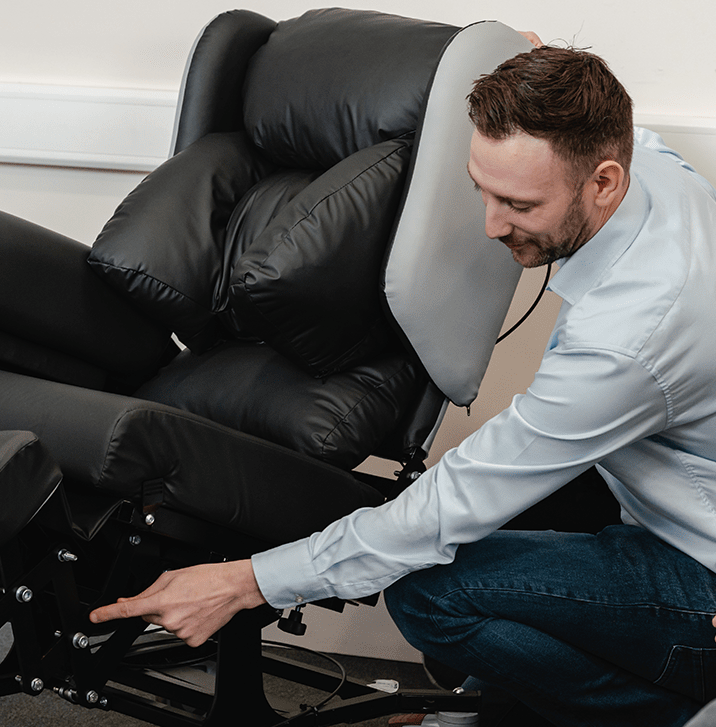
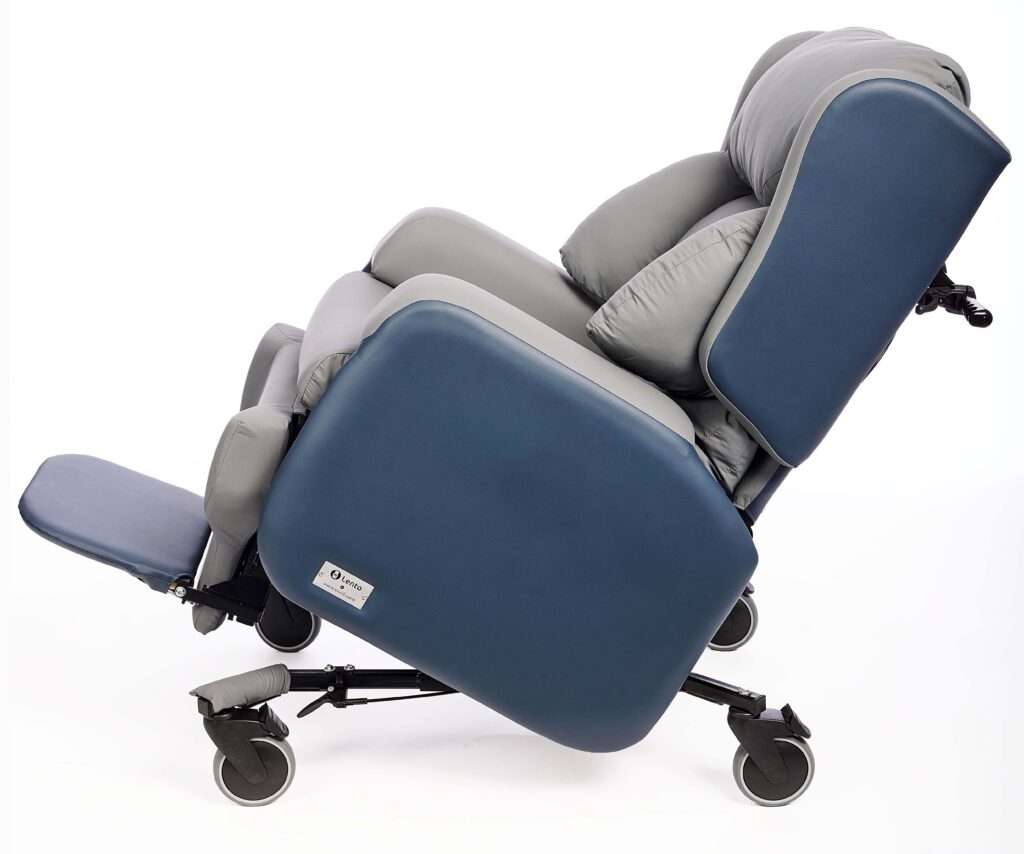
Our own Lento seating range is designed around flexibility and comfort, with seat dimensions that can be adjusted without tools.
OT services and equipment loan stores find the Lento range incredibly useful and cost-effective, as they are able to adjust the chair easily to each individual without any special training or tools, which removes the need for lots of ‘specials’ or bespoke seating.
View Our Lento Range
Seating Assessments
There are many aspects to carrying out a seating assessment, which are well documented within our own ebook “The Healthcare Professional’s Complete Guide to Seating Assessments”.
Download Our Seating Assessments Guide
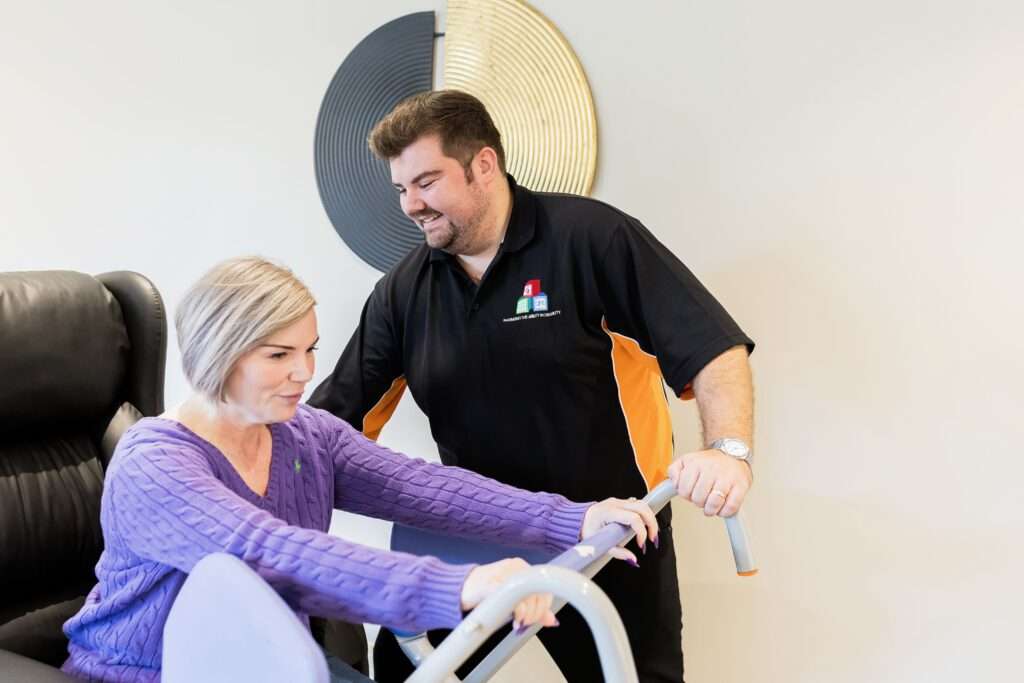
When it comes to specifying seating and care equipment as part of an OT assessment, the process follows a similar pattern to the initial assessment:
- Noting the client’s goals and what they want to achieve with seating
- Reviewing their posture and what is needed to support this safely, then their existing seating and identifying gaps in provision
- Specifying the right kind of chair than can provide postural stability and improve access to their environment.
Applying for funding
The OT’s work doesn’t stop after the chair has been chosen! The next step is match this with existing provision or submit a request to the equipment panel for extra funding.
While this step may seem daunting, we are very familiar with this territory and have a set of resources to help OTs speed up the funding approval process for specialist seating.
Download Our Justification Templates
If equipment is only needed on a short-term basis to help someone rehabilitate, hire or lease is a good option to reduce cost.
Once the equipment provision is in place and the client’s needs have been met, ongoing reviews are important to check the equipment is still fit for purpose, and meet any changes to the client’s health condition.
Interested in occupational therapy?
If you are interested in occupational therapy as a career path, there are some inspiring stories out there from OTs that have come from a wide range of backgrounds and switched from other careers.
To become an OT you need a degree in occupational therapy. This can take up to three years to complete as an undergraduate, either with an apprenticeship (working in an established OT service or NHS or social care trust), or full-time education to undergraduate or masters level. Then a set number of clinical placement hours is required for registration with HCPC before you can start practising in the UK.
We have lots of resources available to OT students to help them on their learning journey. The resources section of our website has a vast array of blog articles, free downloads and video content for you to browse, and you can sign up to our webinar programme which hosts expert advisors on a range of subjects from posture to pressure relief.
Register for Our Next Webinar
Aaron Craven gives us his reflections on his career as an OT and what makes him so passionate about it:
“Occupational therapy has never felt like just a job… it’s a way of life. It is the rare blend of science, art and humanity that lets you step into someone’s life and hand back a piece of independence, dignity or hope they thought they had lost. Helping people live life to the fullest is not a slogan but something you see in real moments. A safer transfer, a return to a favourite routine, a family finally breathing out because things are manageable again.
There is no better feeling than knowing you have made someone’s life a little better and their goals a little more achievable when the world looks bigger and the sky is the limit. This work demands sharp clinical reasoning, creativity and genuine compassion, and that combination is exactly why there is no better profession in the world.”
Conclusion
Occupational Therapy is a very rewarding role for those who love seeing people find purpose and overcoming barriers to independence, and being a part of that story.
We have a real passion for this profession, and are privileged to have had an insight into the transforming effect that occupational therapy can have on people’s lives.
This article was written in collaboration with Aaron Craven OT, director of OT4Life Occupational Therapy.
OT4Life is a private OT practice based in Wakefield, West Yorkshire and was awarded Small Healthcare Business of the Year in the Yorkshire Prestige Awards 2025/26.
FAQs
Q: What is occupational therapy?
A: Occupational therapy helps people of all ages overcome barriers to independence so they can participate in everyday activities such as self-care, work, leisure, and social routines.
Q: What does an occupational therapist do?
A: OTs assess a person’s goals and daily challenges, then provide personalised support, treatment, strategies, adaptations, and equipment recommendations to improve their independence and quality of life.
Q: What is an occupational therapy assessment?
A: An OT assessment reviews the client’s abilities, environment, and goals. It may involve observing daily tasks, identifying barriers, and trialling equipment such as seating or home adaptations to support their independence.
Q: How does specialist seating fit into an OT assessment?
A: Specialist seating supports posture, comfort, and access to daily activities. OTs assess current seating, identify gaps, and specify equipment that meets the client’s clinical and functional needs.
Q: What is private occupational therapy?
A: Private occupational therapy is delivered by independent OTs who offer faster access, flexible appointments, and specialist expertise tailored to individual needs.
Q: Where do occupational therapists work?
A: OTs work in community services, hospitals, rehabilitation centres, schools, workplaces, and private practice.
Q: How do I become an OT?
A: You’ll need an occupational therapy degree (BSc) in the UK and HCPC registration before practising.

Aaron Craven is an experienced Occupational Therapist with a decade of clinical practice spanning the NHS, statutory social care, community rehabilitation, residential care and domiciliary services. His work has been recognised through NHS Above and Beyond awards, as well as the Yorkshire Prestige Awards 2025/26, where his private practice was named Small Healthcare Business of the Year for its impact within the region. He specialises in complex moving and handling and advanced seating for adults, routinely stepping into high-risk clinical scenarios that demand precise reasoning and technical expertise. Aaron is known for pushing the boundaries of Occupational Therapy, applying occupational science and innovation to cut through outdated practice and deliver solutions that actually work in the real world.