What is the Best Bariatric Electric Wheelchair?


In this guide we explain what makes a wheelchair bariatric, and answer some common questions to help you work out which features matter most for bariatric users.
We also compare electric bariatric wheelchairs with manual options, and look at some models available in the UK for you to try.
Jump straight to…
What is a bariatric electric wheelchair?
A bariatric electric wheelchair is built with a higher weight limit for plus-sized users, catering for users up to 200kg and beyond. There are several points of difference that distinguish a bariatric wheelchair from a standard electric wheelchair.
Reinforced frames – specially engineered to support higher loads, and strengthened at key stress points.
Stronger motors – bariatric motors have more torque, up to 250 or 350W motors, to enhance performance on inclines and ensure smooth acceleration.
Wider seats – increased seat and backrest width is important to accommodate bariatric users, particularly those with a large pannus or shelf. Flip-up armrests can be useful to make transfers easier.
Upgraded battery – larger motors need bigger batteries to power them, between 12Ah and 24Ah.

Need a Bariatric Electric Wheelchair?
Browse our wheelchair range
Is there a weight limit for electric wheelchairs?
Standard powerchairs usually have a weight limit between 120 and 136kg, and bariatric wheelchairs go up from there, up to 250kg. It’s important not to exceed the stated weight limit of the chair, as this can put strain on the motors and brakes, reducing battery life and stability.
At what weight do you need a bariatric wheelchair?
When wheelchairs users exceed 20 stone (127kg), it’s usually time to start looking at bariatric models. It all depends on body shape and size though, as two 25 stone users may have completely different distributions of weight (e.g. apple vs pear shaped figures).
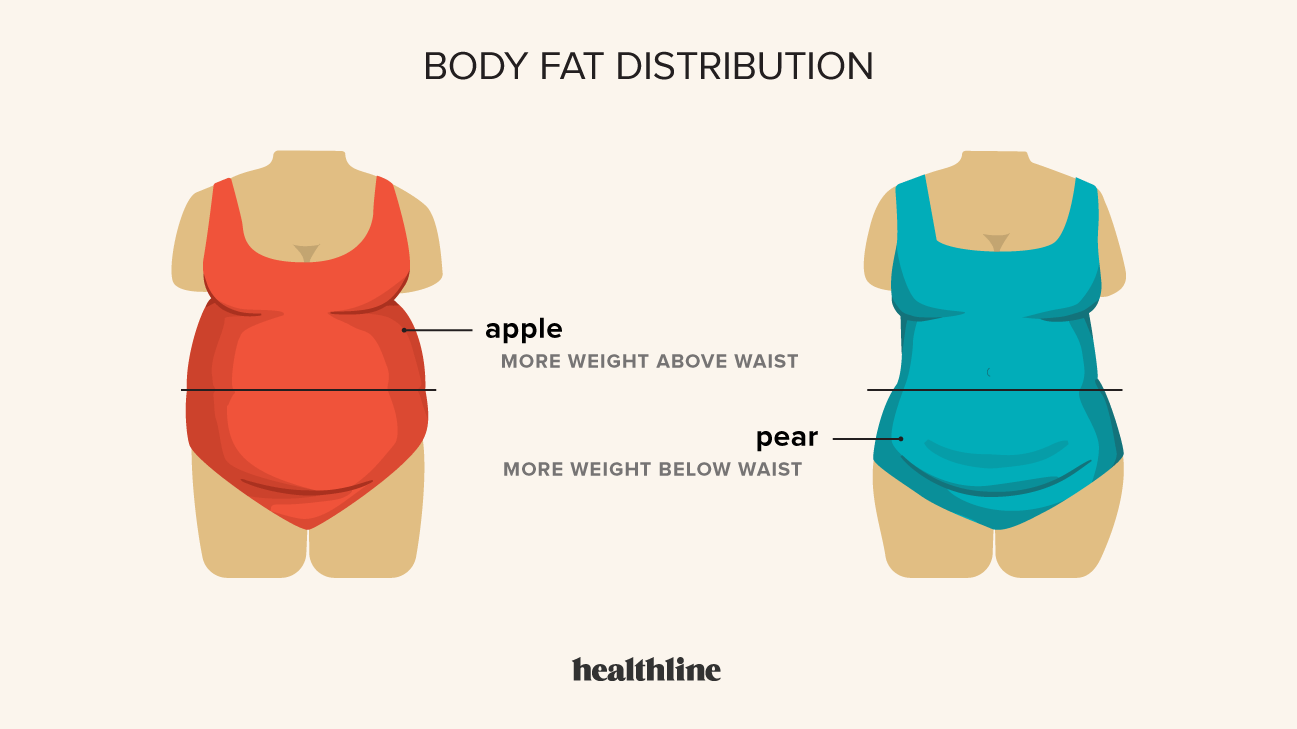
Bariatric Body Shape
Is a 20-inch wheelchair considered bariatric?
A 20-inch wheelchair is on the wider side for a standard wheelchair but should still be included in the width options available. Bariatric seating would usually start at 22 inches wide, but a chair could only be classed as bariatric if the frame and components are rated for a higher weight limit.
How to choose the right bariatric electric wheelchair
These are the questions worth asking before deciding which bariatric wheelchair to go for.
What is the maximum user weight?
Choose a chair with a weight limit that provides enough headroom to allow for any future weight fluctuations.
Where will it be used?
The environment where the chair will be mostly used determines whether you want one that is compact and easily manoeuvrable (indoor use) or longer range and good suspension (outdoor use), or you can go for a cross between the two. Mid wheel drive chairs such as the Permobil M300 have tight turning circle with reinforced suspension, so are suitable for inside and out.
How wide and adjustable is the seat?
Adjustability in the seat will allow you more freedom to adjust the chair to your specific dimensions. A good fit should keep you comfortable throughout the day, and prevent the build up of pressure and moisture that can lead to pressure sores.
Do you need powered adjustments?
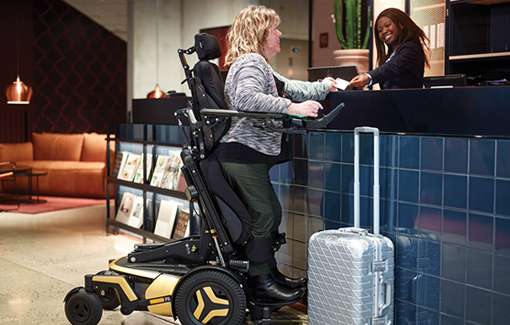
Powered adjustments in the seat can help with improving comfort and pressure relief, and can also assist transfers and standing for bariatric users, for example with a stand-assist seat mechanism.
What battery range do you need?
Make sure the battery range matches the distances you’re travelling on a daily basis, allowing you enough range to get home safely without worrying about running out of charge.
Will it fit with your home and transport?
Larger bariatric wheelchairs may be harder to navigate around corridors and through doorways, so check doorways, hallways and lifts in your home.
Do you want to try it out before purchasing?
Wheelchair companies may give you a trial or cooling-off period, so you can check the wheelchair works in your own home before making a final decision.
A mobility assessment with one of our wheelchair specialists can help you best match your needs, home and lifestyle to the best chair for you.
Need an Mobility Assessment?
Find the best powerchair for your needs
Bariatric electric wheelchair vs manual bariatric
Bariatric electric wheelchairs give greater independence for users with less manual dexterity who may struggle to propel a wheelchair. Due to weight considerations and physical constraints of bariatric users, they are usually the preferred option. The trade-off to this is higher costs, a heavier chair to transport, and higher battery replacement and servicing costs.
An electric wheelchair might not be for everyone though, and there are manual options if this is the case.
Manual bariatric wheelchairs are generally lighter weight, with fewer parts to service and no batteries, making them a good option for short journeys or where public transport is required. They are more suitable where a carer accompanies the user, to assist with pushing the chair if the user gets tired.
A good example of a bariatric manual wheelchair is the Rea Azalea Tilt In Space Wheelchair – Vivid Care. The heavy-duty version accommodates users up to 180kg. The chair has 25 degrees of tilt in space and 30 degrees of backrest recline, with lots of other adjustability features in the seat depth, footplate, back angle and headrest. The height adjustable push handles help the carer maintain good posture without having to lean over. It has been crash-tested to ISO 7176-19 standard, so certified for travel in wheelchair vehicles and taxis.

Rea Azalea tilt-in-space wheelchair
What is the best bariatric electric wheelchair?
There are two bariatric models that stand out in our range for different reasons, as follows:
Sango XXL
Best for maximum weight capacity, the Sango XXL takes heavy duty to the next level, with a weight limit of 250kg. It has heavy duty suspension and reinforced wheels for outdoor performance, and 78Ah batteries as standard with the option to upgrade to 100Ah.
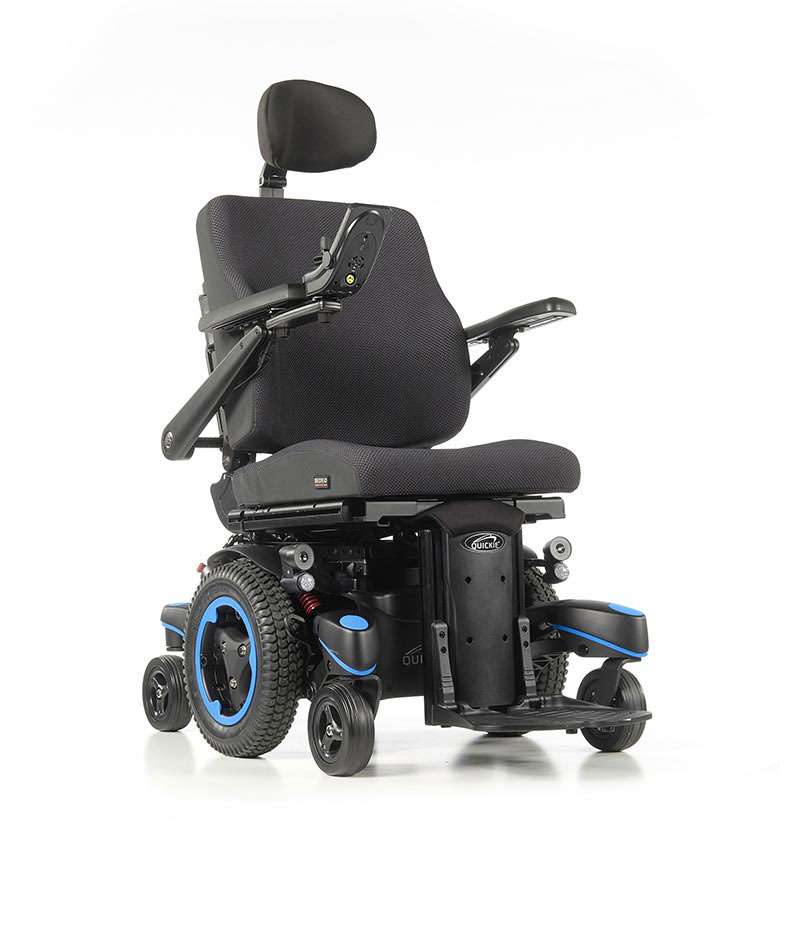
Quickie Q700 M HD
The heavy duty version of the Quickie Q700 M, this is more compact and agile than the Sango XXL with a weight limit of 160kg. The mid wheel drive base produces a narrow turning circle of 560 to 630mm, ideal for tight spaces, and the patented gas suspension system absorbs the impact of kerbs and uneven ground. The drive range can be extended up to 40km on one charge with the 80Ah batteries, with speeds up to 13kph.
Final Thoughts
The best place to start when choosing a bariatric electric wheelchair is the maximum user weight, then think about where you will use the chair, looking closely at seat width, adjustability and battery range. If you are not sure, try the chair first or hire before committing to purchase, or you can get a specialist assessment to review your needs. A properly matched wheelchair will be safer, more comfortable and more reliable for years to come.
Recommended Products

SANGO XXL Electric Wheelchair
The XXL version of the Sango powerchair is front-wheel drive and built for people weighing up to 250 kg.
Enquire About This WheelchairQ700-M Sedeo Pro Power Chair
The Q700-M Sedeo Pro powerchair takes the best features of other models in the range and puts them together to create a compact powered wheelchair that’s capable of giving a comfortable mobility experience both in and outdoors.
Enquire About This WheelchairFrequently Asked Questions