Seating in Hospitals at Home and Virtual Wards


Virtual wards, otherwise known as Hospital at Home services, have become a recognised care setting since their inception in the Covid pandemic.
The current NHS 10-year health plan aims to double virtual ward capacity, giving increasing clinical focus to hospital at home and related services.
With an increased recent focus on health and social care equipment in the community, this article looks at virtual wards (also known as hospitals at home), their potential benefits to patients, and what is needed for this care model to be run effectively.
Jump straight to…
What is a Virtual Ward?
A virtual ward is a safe and efficient alternative to NHS bedded care that delivers technology-enabled healthcare services, away from a traditional healthcare facility such as a hospital ward. These are often in a patient’s own home or their usual place of residence, including hospices and care homes.
“Virtual wards allow patients to get the care they need at home safely and conveniently, rather than being in hospital.” — NHS England
Virtual Wards can monitor a range of conditions, including but not limited to:
- Osteoporosis, Frailty & Falls Recovery Treatment
- Wound Care & Pressure Injury Management
- Respiratory Illnesses & Infections
- Urinary Tract Infections (UTIs)
- Diabetes
- Oncology
- Mental health
- Learning disabilities
Patients suffering from acute respiratory infections and exacerbation of frailty-related conditions account for “50% of patients who may be clinically suitable to benefit from a virtual ward.”
The Virtual Ward and Hospital at Home models combine traditional health care equipment with modern technology enabled healthcare solutions to deliver patient care.
Benefits of Virtual Wards
There is a general perception that hospital wards are the safest environments for patients to recover in. While that’s usually the case for severe illness, once a patient is medical stable, recovery can often be faster at home or a patient’s regular place of residence with the correct equipment and support.
The virtual ward & hospital at home models aim to:
- Aid early discharge
- Reduce hospital admissions
- Reduce emergency department presentations
- Clear beds occupied patients medically fit to be discharged
Improving rates of hospital discharge and clearing beds in acute care facilities combined with provision of appropriate care equipment in the community eases pressure on emergency departments and speeds up ambulance handovers.
NHS patient flow data puts this problem into stark relief: Jan 2025 figures show patients ready to be discharged were waiting an average of 6.1 days, with around 324,000 bed days being lost per month.

Virtual Wards: Deconditioning and Hospital Acquired Infections
Virtual wards can also reduce the risk of hospital-acquired infections. As well as offering a comfortable and familiar environment for a patient to recover in, a person is less at risk of hospital acquired infections when recovering in a virtual ward or hospital at home.
Sick hospital patients are likely to have reduced resistance to bacterial or fungal infections, with respiratory and urinary tract infections among the most common.
The other reason for getting out of a hospital bed as soon as possible is deconditioning. This is the loss of physical and functional ability that comes from a period of reduced activity. It can set in quickly, causing healthy older adults to lose 0.95kg of lean muscle mass every 10 days, with 1 in 3 patients less able to look after themselves after discharge.
Moving the patient out of hospital and into a virtual ward environment removes some of the risk factors of deconditioning, but not all of them. At patient recovering at home can still spend the day lying in bed, which is the main driver behind the issue (an accelerometer study found that older inpatients spent an average of 83% of time lying in bed, despite being able to walk).
The virtual ward model has to be deliberately designed to prevent deconditioning. Rather than being just hospital-grade monitoring in a domestic setting, it has to actively provide the mobility, nutrition and dressing routines the patient needs to make a strong recovery.
What This Means With the 2026 Framework
Deconditioning guidance is written into NHS England’s Model discharge pathway, identified as a well-evidenced harm of staying under care longer than necessary. Part of the requirements are to record a patient’s baseline mobility, so this can be set as a goal to be regained before discharge.
This may overlap into virtual ward territory, building daily mobilisation into the care plan, and making sure home equipment like beds, seating and moving and handling aids actually encourage a patient to get up and move around.
Discharge Chair Hire: Ensuring Patients Have the Right Support at Home
To discharge patients in a timely way and ensure their recovery progresses at home, the right equipment needs to be in place before they are discharged, not as an afterthought when they get home.
Our flexible hire service is the perfect solution for this, ensuring discharged patients get access to top quality care chairs and riser recliners to aid their continued recovery at home. This can be through an OT, through the hospitals discharge unit or arranged privately.
This allows them to pay for the chair for as long as they needing, keeping costs down but not having to resort to inadequate equipment or wait for funding to be approved.
The Lento Mobile riser recliner is very popular with discharge wards. This portable care chair hybrid is built for all kinds of transfers, be it sideways (with removeable sides), hoist, standing or standaid.
The Levitex cushion and waterfall backrest provides premium levels of comfort and pressure relief, encouraging patients to sit out quickly. The variable rise mechanism and tilt in space helps patient sit-to-stand quicker.

Summary
The ‘Virtual Ward’ and ‘Hospital at Home’ models were introduced with the goal of providing medicine, care equipment and monitoring for patients recovering in their own homes. The goal of these care-at-home services is to relieve pressure on A&E departments and free up acute care capacity.
More elderly and frail patients can be treated in virtual wards that will provide round-the-clock monitoring for up to 50,000 people a month with wearable tech-enabled devices that track vital signs and symptoms.
As virtual ward capacity increases over the coming years, the success of this programme will be reliant on not just clinical monitoring but the level of rehabilitation and support in place.
Recommended Products

Lento Mobile Riser Recliner Chair
The Lento Mobile riser recliner chair and care chair hybrid offers easy portability on smooth gliding braked castors, and with an ergonomic push handle.
Enquire About This Chair
Lento Care Chair
The Lento Care chair has been clinically designed to address the complex care needs of anyone over 5’ 2”, particularly those who need to be hoisted.
Enquire About This Chair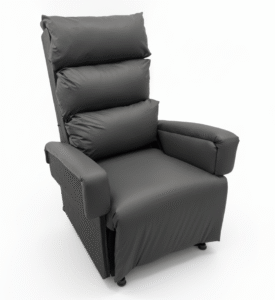
Circulo Chair
The Circulo is a modular seating range developed specifically for community equipment loan stores and high-turnover healthcare environments.
Enquire About This ChairFrequently Asked Questions