Acute Medical Units (AMU) and Same Day Emergency Care (SDEC) services are designed to assess, treat, and move patients through the system quickly. This places extra demand on chairs which need to support infection control, enable safe patient handling, and adapt to a wide range of clinical needs.
Selecting the right seating helps reduce strain on staff, improves patient experience, and supports smoother patient flow. In this guide, we explore the key requirements for AMU and SDEC seating, along with the most effective chair solutions for each setting.
Jump straight to…
What is the Acute Medical Unit (AMU)?
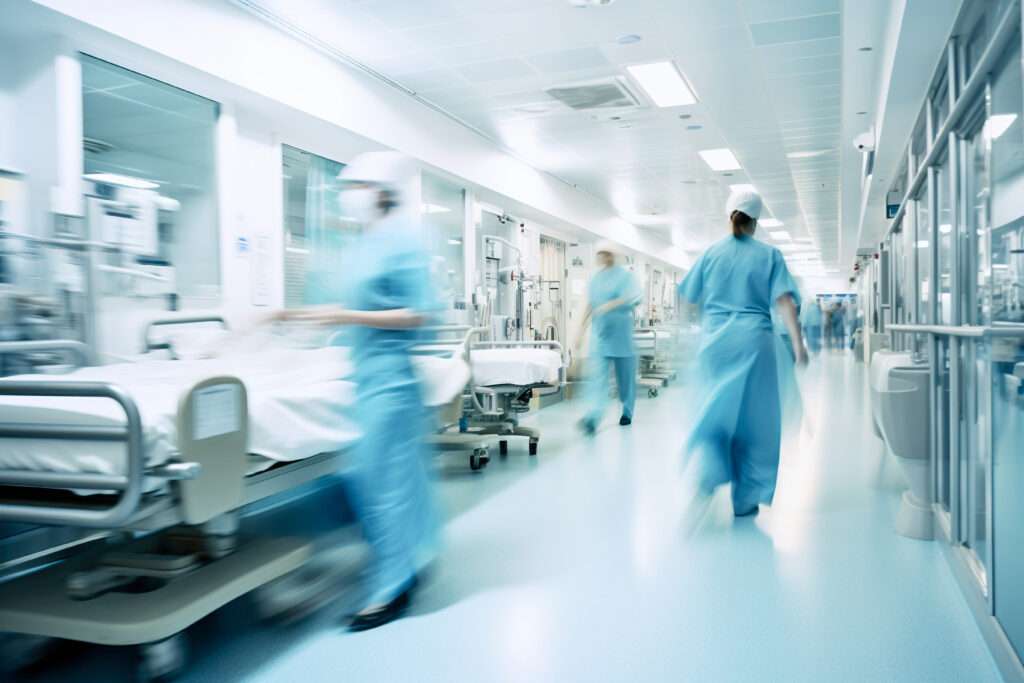
The Acute Medical Unit (AMU) or Medical Admissions Unit (MAU) is a critical part of the emergency care pathway within hospitals. It is the gateway ward for adult patients requiring urgent medical assessment and treatment, typically referred from A&E or by a GP.
The AMU is for short-term admissions only. Patients are rapidly assessed, stabilised, and diagnosed before being either discharged (often through SDEC), or transferred to General Medicine or specialist wards for ongoing treatment.
Due to this function, AMUs experience very high patient throughput, with most patients staying between 24 and 72 hours. This fast-paced, high-pressure environment demands equipment that supports efficiency, safety, and patient comfort without slowing clinical workflows.
Seating Needs in AMU
Because of the nature of acute care, seating in AMUs must meet several key requirements:
Infection control is critical
Chairs must be easy to clean, with minimal seams or fabric areas that could harbour bacteria. Materials should withstand frequent cleaning with hospital-grade disinfectants.
Easy to operate and adjust
Staff need intuitive controls that allow quick adjustments without extensive training. Time saved on equipment operation directly supports patient flow.
Supports safe and efficient transfers
With constant admissions and discharges, chairs must facilitate easy entry and exit. Compatibility with standing aids and mobility equipment is essential to reduce strain on both patients and staff.
Durability for high usage
Equipment in AMUs is used continuously. Chairs must be robust enough to withstand heavy, repeated use without compromising performance.
Best Chairs for AMUs
HiBack Bedside Chair
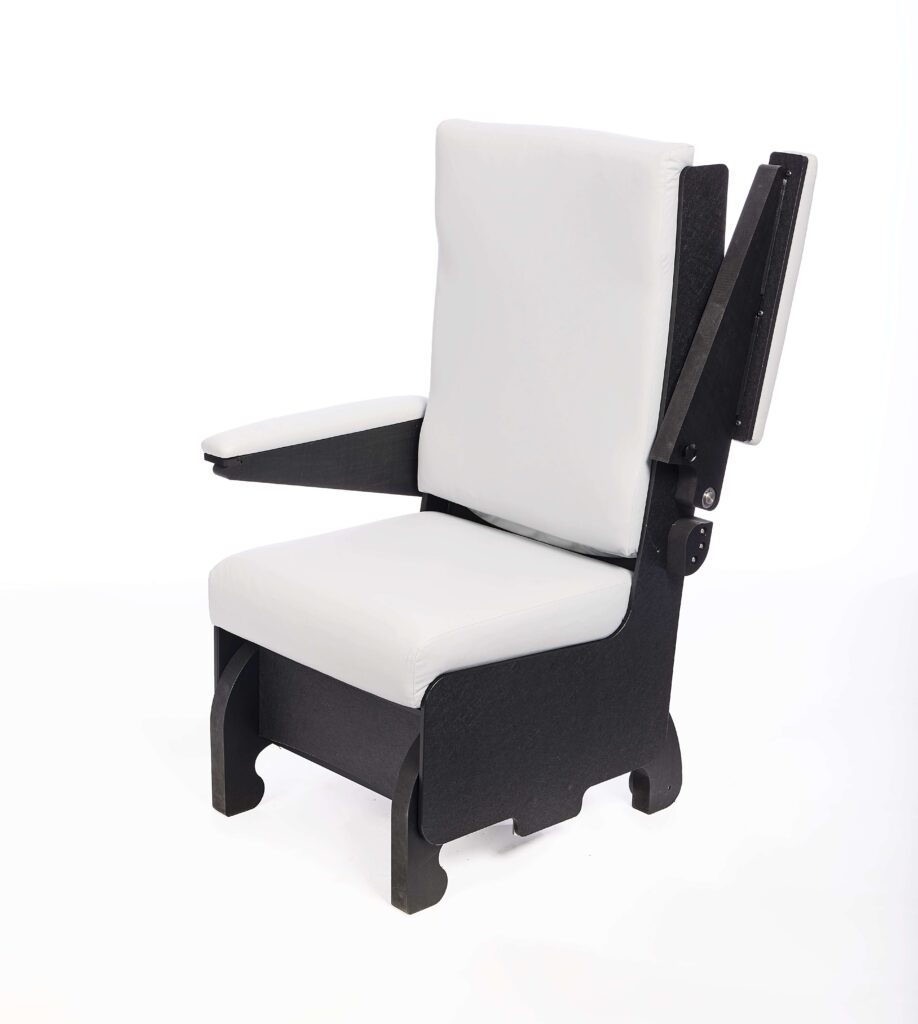
The HiBack Bedside Chair is a versatile and highly practical solution for acute medical environments, combining comfort with clinical functionality.
Benefits:
Infection control design
Removable cushions and a durable polymer frame make cleaning quick and effective, supporting strict hygiene protocols.
Effortless adjustability
A simple turning handle allows staff to adjust seat height easily, and flip-back armrests provide unobstructed access during transfers.
Improved patient mobility
The ability to set the correct seat height makes it easier for patients to stand up or sit down safely, particularly when used alongside standing aids.
Enhanced comfort for short stays
Despite its practicality, the chair offers excellent support, helping patients remain comfortable during their time in the unit.
This makes the HiBack Bedside Chair ideal for general AMU use where flexibility, hygiene, and ease of use are priorities.
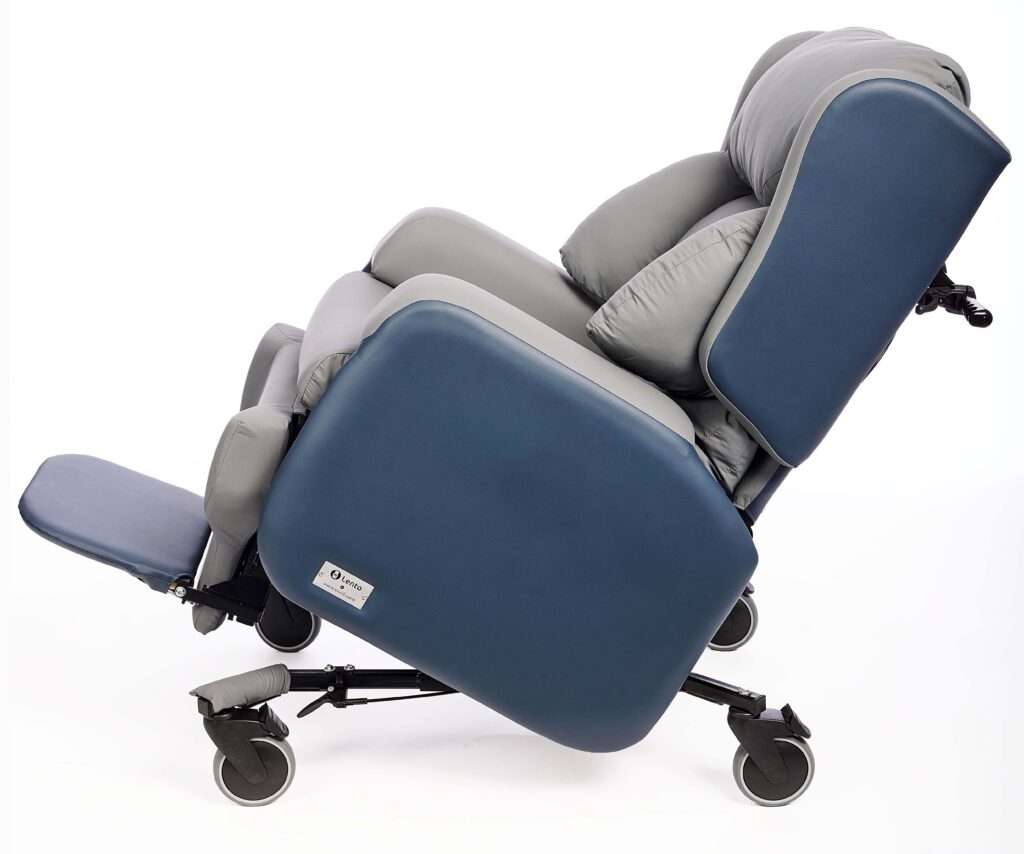
Levara Riser Recliner Chair
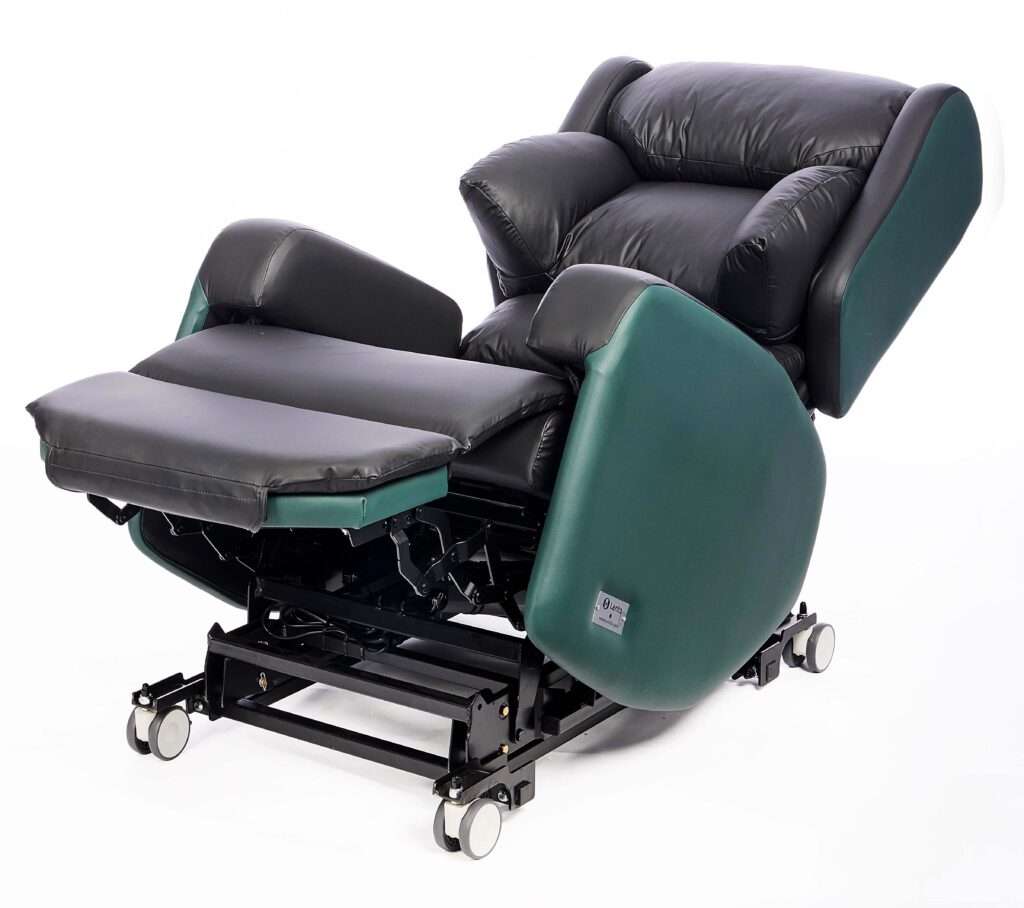
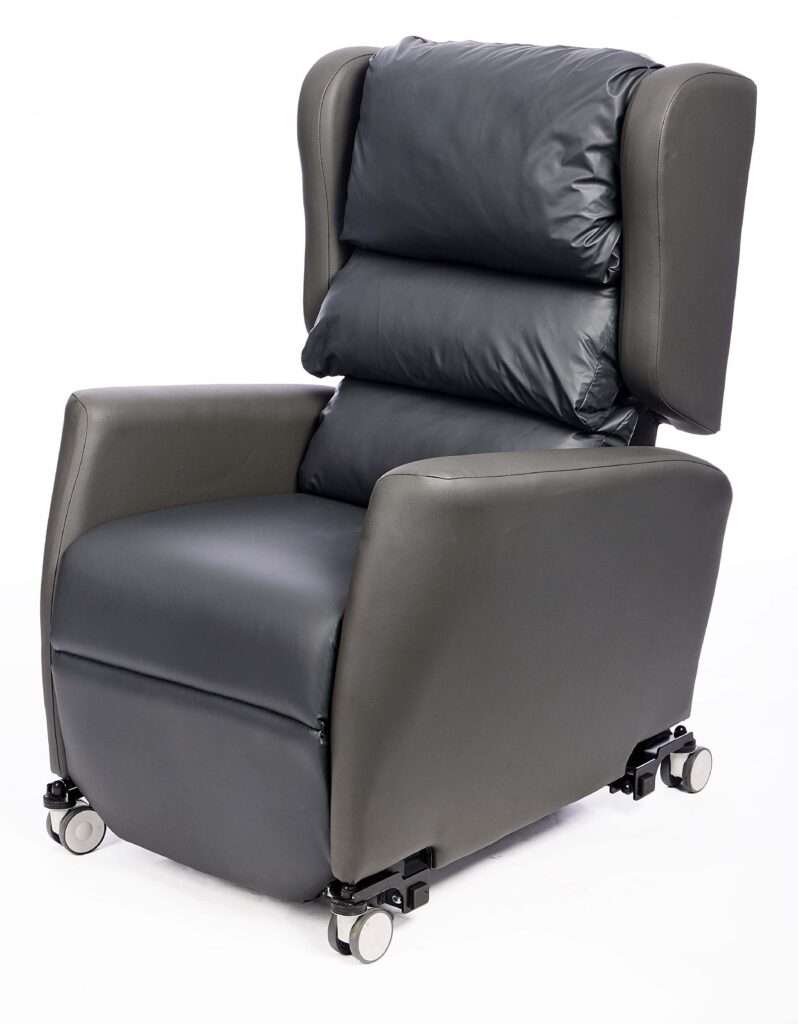
The Levara Riser Recliner is a more advanced seating option designed specifically for busy hospital environments where patient movement and comfort are equally important.
Benefits:
Designed for patient flow
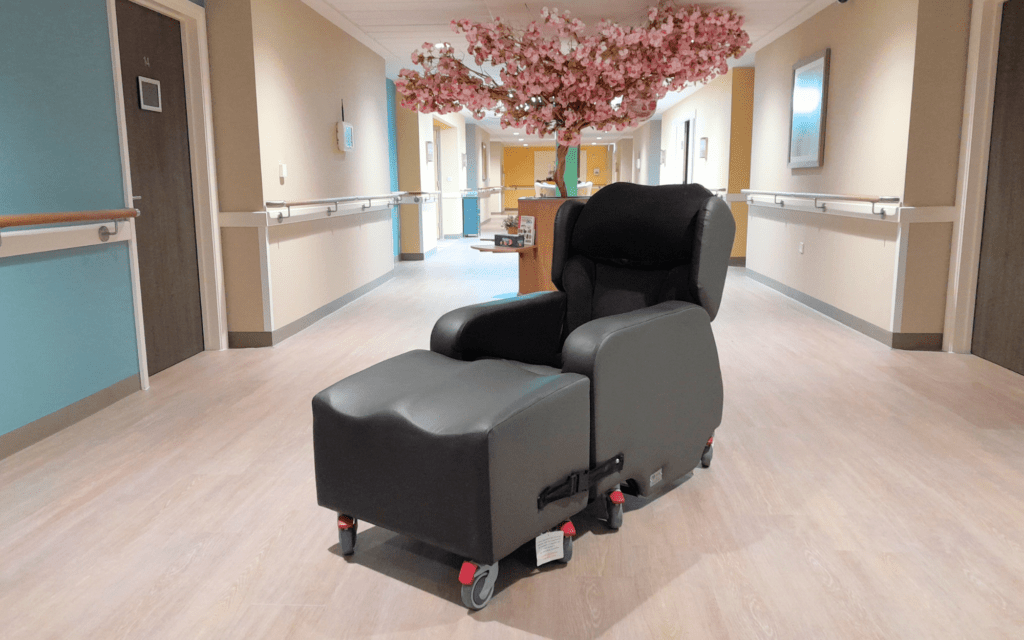
Built with portability in mind, the chair can be easily moved between different areas, supporting efficient ward management.
Tilt-in-space functionality
This feature redistributes pressure and improves patient comfort, particularly for those who may be seated for longer periods.
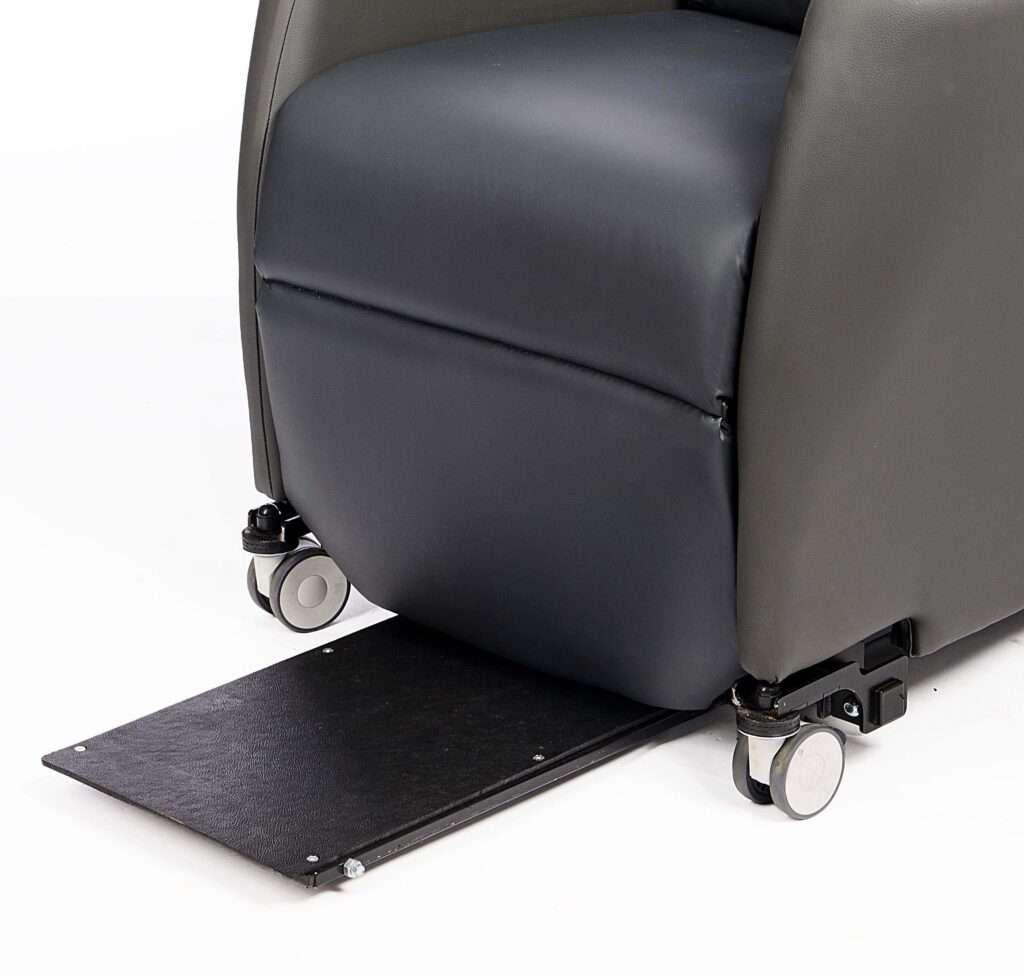
Slide-out footplate
Enhances leg support and overall positioning, contributing to patient wellbeing.
Sit-to-stand assistance
The riser function helps patients safely transition from sitting to standing, reducing the risk of falls and easing the physical burden on staff.
The Levara is particularly well suited for patients who require additional support with mobility while still maintaining the pace required in an AMU setting.
What is Same Day Emergency Care (SDEC)?
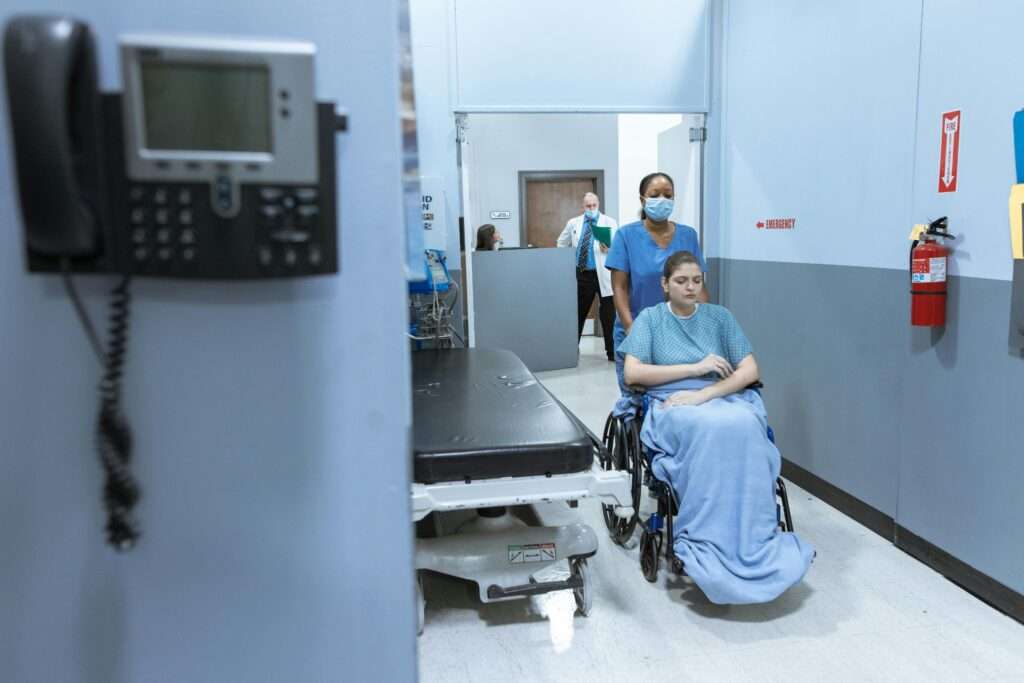
Same Day Emergency Care (SDEC) is an increasingly important model within modern healthcare systems. It allows patients to be assessed, diagnosed, treated, and discharged on the same day without requiring overnight admission.
SDEC services are designed to reduce pressure on inpatient beds, improve patient experience, and streamline emergency care pathways. Patients attending SDEC may require monitoring, treatment, or minor procedures, but are typically stable enough not to need full admission.
SDEC Seating Needs
Seating used in SDEC areas must meet a slightly different set of requirements:
Ability to lie flat
Chairs must support a fully flat position to allow clinical examination, surgical procedures, or emergency interventions such as CPR.
High portability
Equipment should be easy to move between treatment spaces, maximising room utilisation and patient throughput.
Multi-position functionality
Chairs need to adapt quickly between seated, reclined, and supine positions depending on clinical need.
Comfort for short procedures and recovery
While patients are not staying overnight, comfort is still essential during treatment and observation periods.
Best Chairs for SDEC
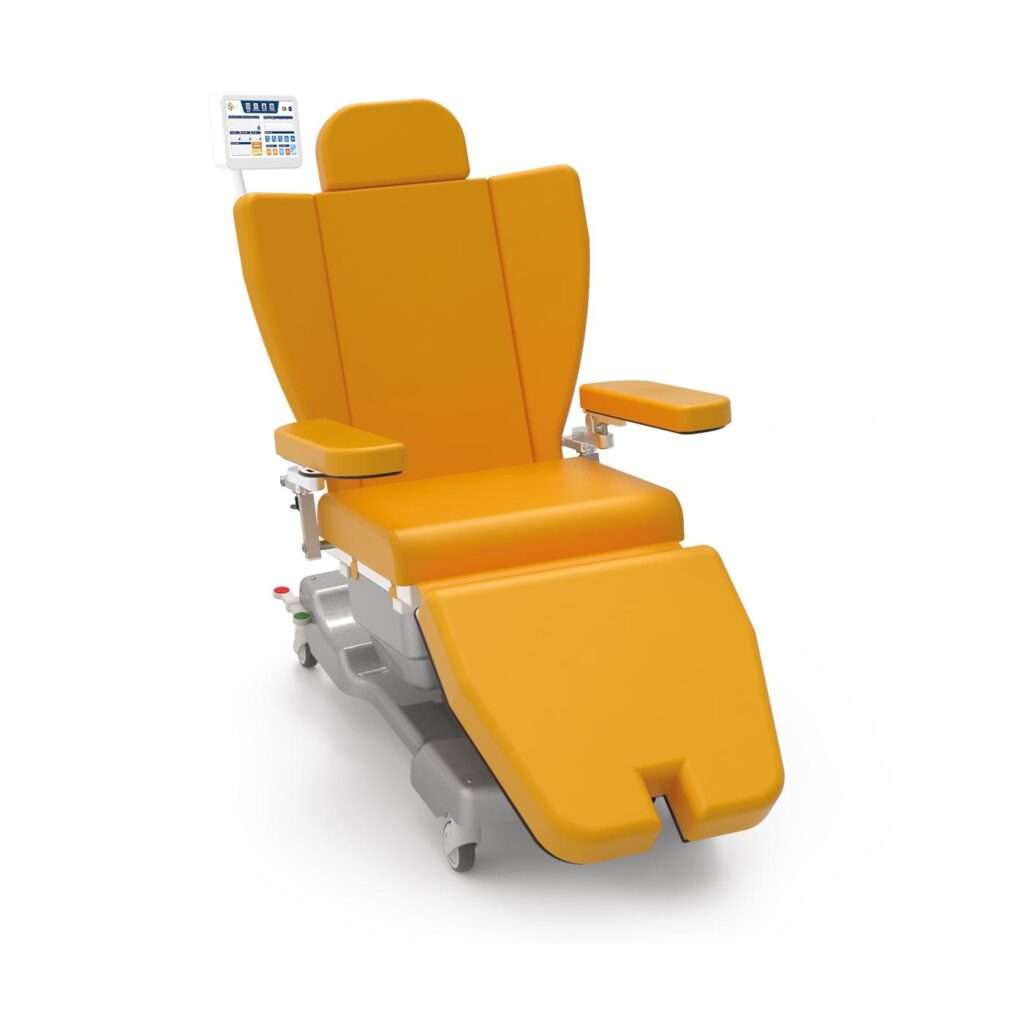
Mobile Day Surgery Chair
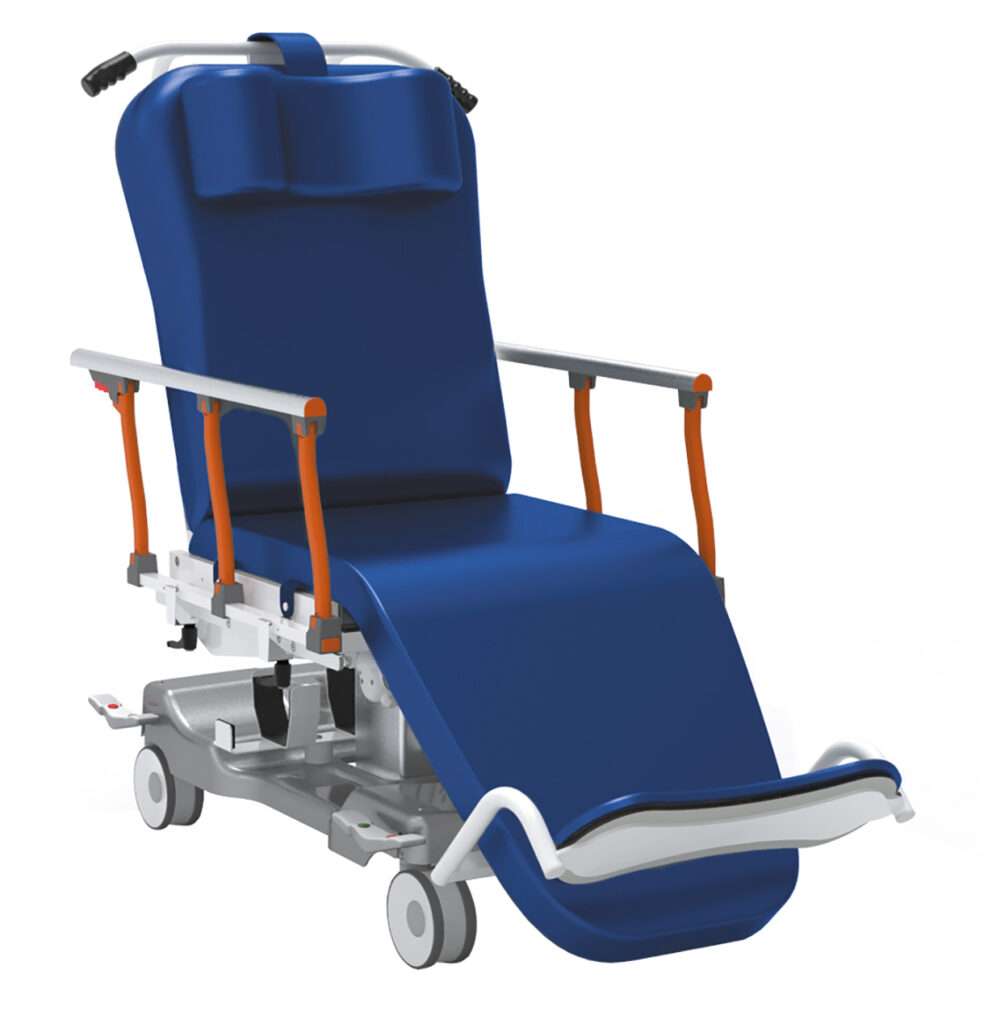
The Mobile Day Surgery Chair is a highly adaptable solution designed for environments where flexibility is key.
Benefits:
Excellent portability
Lightweight and easy to manoeuvre, making it ideal for busy SDEC units with changing patient needs.
Multiple positioning options
Can be adjusted for seated, reclined, or procedural use, allowing clinicians to carry out a range of treatments.
Space-efficient design
Reduces the need for multiple pieces of equipment by combining several functions into one chair.
Improved workflow efficiency
Enables quick turnaround between patients without compromising care quality.
This chair is particularly useful in SDEC settings where space, speed, and versatility are essential.
Sertain ICU Chair
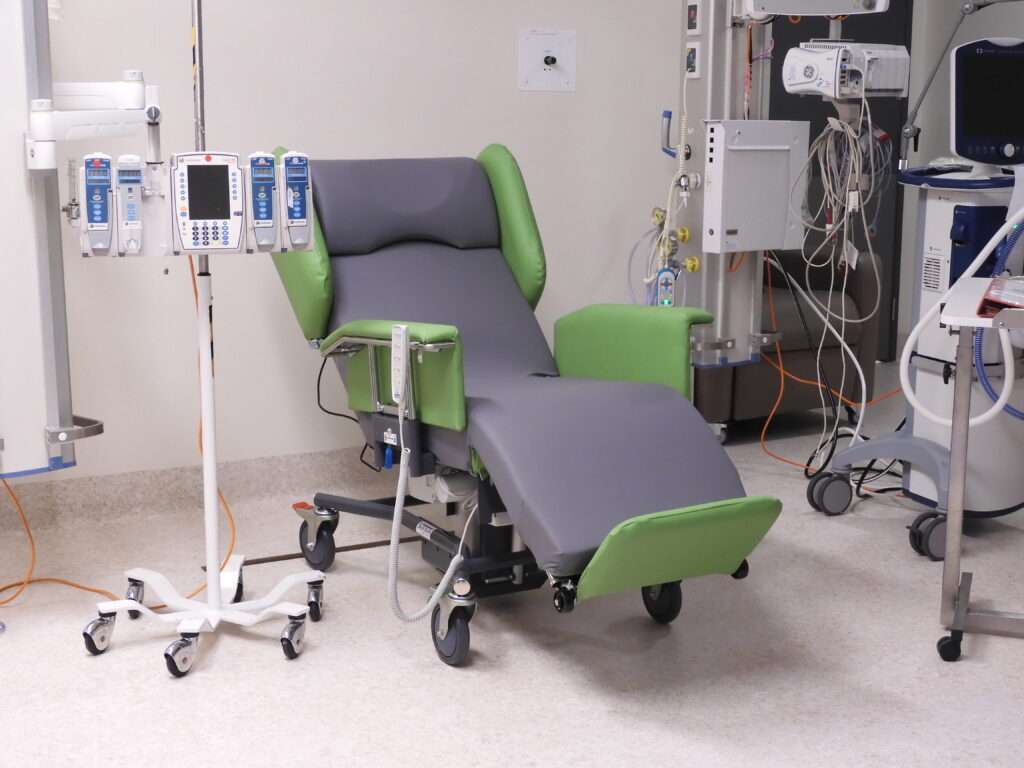
Originally designed for intensive care environments, the Sertain ICU Chair is equally valuable in SDEC due to its advanced functionality.
Benefits:
Full stretcher and CPR positioning
Electrically adjustable to a flat position, allowing immediate response in emergency situations.
Supports early mobilisation
Encourages patients to sit out of bed safely, which can improve recovery outcomes.
Customisable configuration
A range of backrests and removable arms allows the chair to be tailored to different patient and clinical needs.
Electric adjustment for ease of use
Reduces manual handling and allows staff to reposition patients quickly and safely.
The Sertain ICU Chair is ideal for higher-acuity SDEC environments where patients may require closer monitoring or more complex interventions.
Conclusion
Both AMU and SDEC environments demand seating solutions that balance patient comfort with clinical efficiency.
In AMUs, the focus is on durability, infection control, and supporting rapid patient turnover. Chairs like the HiBack Bedside Chair and Levara Riser Recliner provide practical, reliable solutions that help maintain patient flow without compromising safety or comfort.
In SDEC, flexibility is key. Equipment must adapt quickly to different clinical scenarios, from routine assessments to emergency interventions. The Mobile Day Surgery Chair and Sertain ICU Chair excel in these settings by offering multi-position functionality and portability.
Frequently Asked Questions

Ralph has many years' experience in the healthcare sector. In a previous life he worked in finance, and his spreadsheet skills come in handy for all the analysis and research he does as he investigates topics and solutions for some of the world's most complex healthcare conditions and challenges. Aside from writing in-depth articles and organising webinars and interviews with top healthcare professionals, Ralph also administrates Vivid's "Healthcare Pioneers Board", a large group of healthcare specialists with multiple disciplines, who are working together to improve care for years to come.


Send us a message
Just fill out this form and we'll get back to you within 1 working day.