Reducing Pain in the Ischial Tuberosities


People who spend a lot of time sitting may experience discomfort at the bottom of the pelvis around the ischial tuberosities (ITs). These bones play an important role in sitting, supporting much of our body weight.
In this guide, we look at what the ITs are, what causes pain in this area, and how you can relieve it.
Jump straight to…
What are the ischial tuberosities?
The ischial tuberosities (ITs) are the bony prominences on the underside of the pelvis, or ‘sitting bones’ as they commonly known.
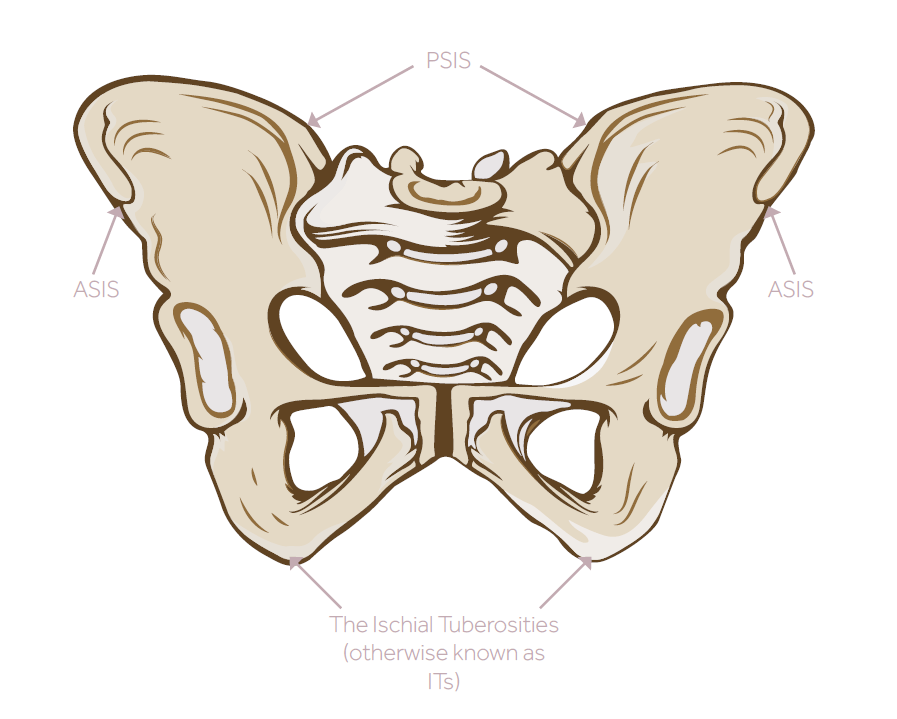
They absorb your weight when you sit and can help indicate the position of the pelvis. Due to their role in supporting sitting posture, the degree of pressure placed around this area can have a significant effect on comfort.
When you sit for an extended period, pressure can build up in this area, which can become more noticeable the longer you are seated for. Therefore, it’s important to consider not just how comfortable the chair is initially, but how well it supports you for longer periods.
Book a Seating Assessment
Review your current seating provision
What causes ischial tuberosity pain?
You may notice a pain in your buttocks when you have been sitting a long time. The pain you feel can be caused by the inflammation of the ischial bursa, which are the fluid-filled sacs that cushion the rounded ends of the ITs.
What is ischial bursitis?
If the bursas become seriously inflamed, this is known as ischial bursitis. This can be aggravated by sitting on a hard surface for an extended period of time. Symptoms of ischial bursitis include aching in the pelvic area, pain when sitting or sleeping, and redness or swelling.

What aggravates ischial bursitis?
Pressure is a key factor to consider with discomfort around the ITs. Sitting on a hard surface for a long time can aggravate the pain, particularly when weight is concentrated around the sitting bones.
Your sitting position is a key influence of how pressure is distributed around the pelvis, as conditions like pelvic obliquity can cause the pelvis to drop down on one side, creating uneven weight distribution on the ITs. It’s important to consider whether your chair provides appropriate support and pressure relief, and is comfortable enough for the amount of time you spend sitting.

Pelvic obliquity
If you are experiencing ongoing pain that affects your ability to sit, sleep or carry out everyday activities, it’s a good idea to seek professional advice from your GP or healthcare professional.
Is Your Chair Causing Discomfort?
Book a free seating review
How can I relieve ischial tuberosity pain?
If you regularly experience pain around the sit bones, the first thing to look at is your chair.
Review your sitting surface
Avoid sitting on hard, flat surfaces for extended periods. If you have to sit for longer periods, ensure you change position, either manually or using tilt-in-space, and take the opportunity to stand and move where possible. This will avoid continuous pressure on one area, which can lead to pressure sores.
Review your overall sitting position
A chair that is correctly suited to your postural requirements will allow you to sit more comfortably for longer.
Our Lento chair range is designed to provide comfortable and supportive seating, tailored to your individual requirements.
To help counteract the problem of sitting bone pain, we have incorporated the Levitex Cradle Cushion as standard in the Lento range. This is built from three layers of foam, with the innovative Levitex foam supported by harder foam underneath to provide a supportive base and prevent bottoming out. The contoured shape of the cushion spread pressure around the ITs and upper thighs more evenly, rather than a flat cushion that creates higher peak pressure on the bony areas.

Levitex Cradle Cushion
Rather than choosing a chair based on appearance or function, why not book a seating assessment for personalised seating advice?
Get Personalised Seating Advice
Book a free seating assessment
Conclusion
The ITs transfer a lot of pressure when sitting, which makes discomfort in this area more noticeable. Reviewing your current seating provision is the best first step if you regularly experience pain when sitting down.
For personalised seating, we offer free seating assessments where we can discuss your individual requirements and help you find a chair with the right level of comfort and support.
Recommended Products

Lento Care Chair
The Lento Care chair has been clinically designed to address the complex care needs of anyone over 5’ 2”, particularly those who need to be hoisted.
Enquire About This Chair
Lento Mobile Riser Recliner Chair
The Lento Mobile riser recliner chair and care chair hybrid offers easy portability on smooth gliding braked castors, and with an ergonomic push handle.
Enquire About This Chair
Little Lento Care Chair
The paediatric Little Lento is a smaller version of our Lento Care Chair, for children and small adults up to 5’ 2”.
Enquire About This ChairFrequently Asked Questions


