What is a Postural Chair?

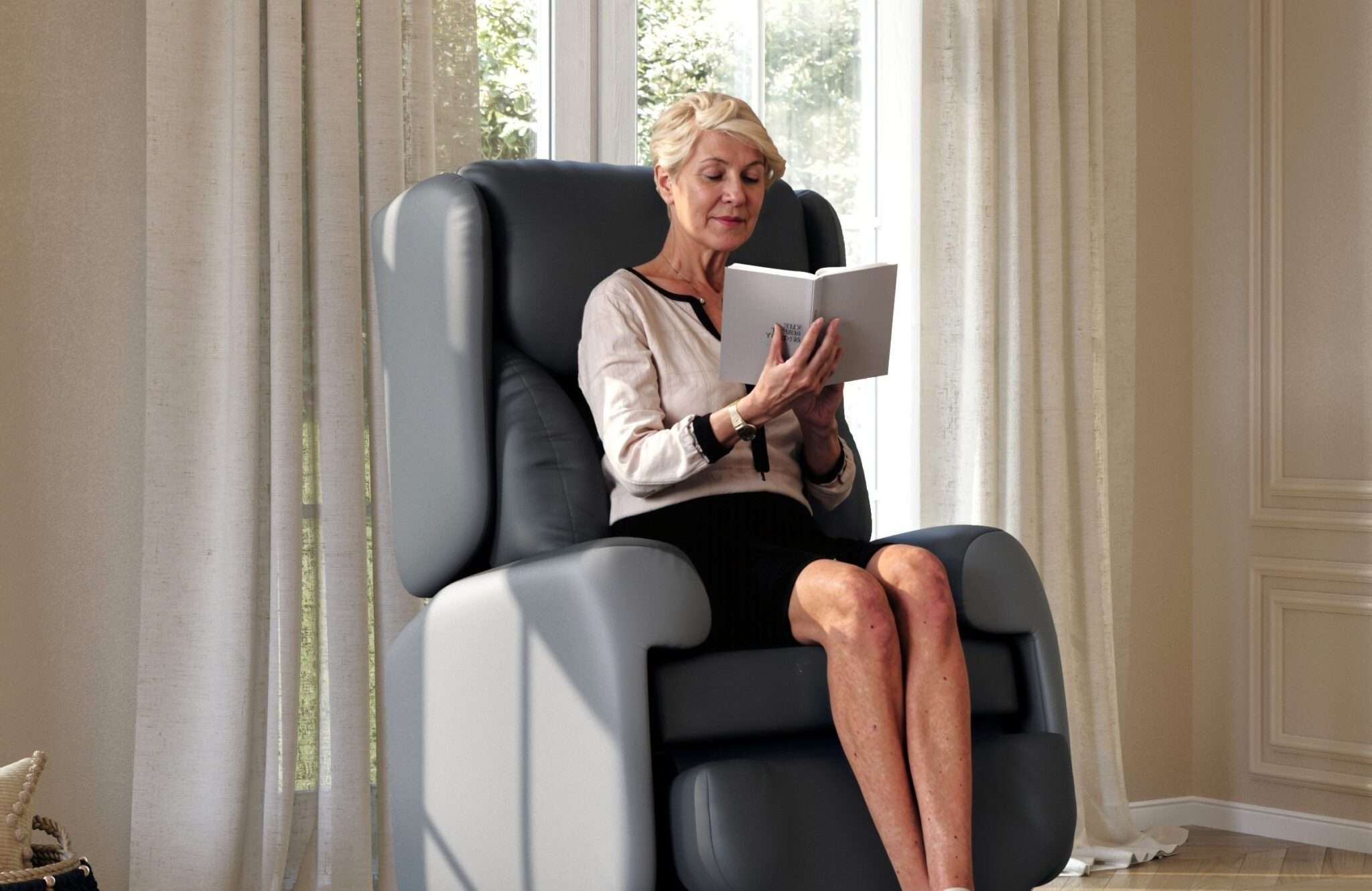
When people think about improving posture, they often focus on exercises, standing desks, or reminding themselves to ‘sit up straight’. But one of the most important and often overlooked factors is the chair you sit in every day.
A postural chair is more than just a comfortable armchair. It’s carefully designed to support your body in the right position, improving alignment, reducing discomfort, and promoting long-term health.
In this guide, we’ll explain what a postural chair is, how it works, and how to find the right solution for your needs.
Jump straight to…
What is a postural chair?
In previous articles we’ve explored the fundamentals of postural management, whereas this article focuses more on seating applications and how to choose a posture chair.
First and foremost, a postural chair is designed to support proper body alignment while sitting for extended periods. Unlike standard chairs, which prioritise general comfort, postural chairs can be tailored to the individual helping them maintain a stable and supported position that reduces strain on the body.

What do postural chairs do?
Improve sitting posture
At a basic level, a postural chair helps align the pelvis, spine, and head in a central midline position. This alignment is essential for maintaining a balanced sitting posture and preventing slouching or spinal asymmetry that can lead to discomfort over time.

Good posture isn’t just about physical posture though, it can impact breathing, digestion, and energy levels throughout the day.
Improve sitting comfort
Comfort in a chair comes from being supported in a natural, balanced posture without being forced, and isn’t about having the ‘softest’ cushions or upholstery. While heavily padded chairs may be comfortable initially, they allow the body to sink into unbalanced postures which can cause problems down the road.
Provide pressure relief
Good pressure relief isn’t just about the fabric and cushioning used, although these are both important factors, but the ergonomics of the chair as a whole and how the person is positioned in the chair to distribute pressure evenly.
Tilt-in-space performs this function most effectively, by tilting the person back in the chair and redistributing their body weight more evenly across contact surfaces.

How to sit on a posture chair
Without trying to insult your intelligence (I know how to sit on a chair, you may be thinking!), please bear with us on this as there are some important techniques to observe for better posture.
- Sit with your pelvis positioned fully at the back of the chair. For users with poor mobility who struggle to get into a chair, this can be easy to overlook. When sitting down from a standaid, carers should ensure the patient sits right up to the back of the chair, and their lower back is in contact with the backrest. This prevents them slouching or sliding down in the chair.
- Keep your feet supported on the floor or a footrest. Surprisingly, when sitting down 19% of a person’s body weight is supported through the soles of their feet. Without having the right foot support in place, this can destabilise someone’s posture as well as putting more body weight through the thighs.
- Maintaining a neutral head position is important as this helps keep the spine centrally aligned, and prevents leaning to one side. Avoid leaning forward as this can cause digestive issues and lead to a kyphotic spine.
When specifying seating for our clients we take a note of their height and weight and any medical issues they have, including whether they are hoisted. This gives us an idea of what chair is best for them, whether this is a riser recliner, care chair, or more complex postural solution.
We can take these chairs with us to the seating assessment, and fine-tune them with postural support accessories and toolless sizing adjustments in the Lento chairs to provide the best postural fit.
With many years of experience carrying out seating assessments, they are almost like second nature to us, but there are other important factors like seat sizing and pelvic positioning that feed into good posture. This is explained in our previous article on how to carry out seating assessments, and covered in more depth in our guide to seating assessments.
Book a Seating Assessment
Speak to us about seating assessments
Can you correct years of bad posture?
Poor posture can be reversed as long as it has not become fixed, but it takes time, consistency and effort to correct bad sitting habits and retrain the muscles. This is rarely achieved alone and takes the input and expertise of seating professionals, occupational therapists and sometimes physiotherapists to improve sitting posture.
It’s also important to view seating as just one part of a wider approach. Movement, therapy, and regular reassessment all contribute to long-term outcomes.
What chair is best for posture correction?
Unfortunately, there is no ‘one-size-fits-all’ answer, different individuals have different needs.
Someone with a neurological condition may require highly supportive, specialist seating such as the Lento Neuro, which is design to calm ataxic movements with its cocooned seat, and keep them secure in the chair with front-pivot tilt-in-space.

Lento Neuro
Someone with musculoskeletal problem like a spinal deformity will benefit from high levels of adjustment, available with the Lento Cove care chair with its SpineSupporter backrest system, which has literally billions of possible configurations!

Lento Cove Care Chair
Or for someone who is able to stand and walk around, but needs that extra bit of assistance and a chair they can rest in, the Lento Mobile is a perfect option.

Lento Mobile Riser Recliner
The key is finding a chair that fits your body, supports your posture, and suits your daily routine.
And ultimately, the best chair for posture is one that is tailored to you, not just one that looks good or feels comfortable for a short period.
Browse Our Seating Range
Find the right postural chair for you
Conclusion
If you’re unsure which postural chair is right for your needs, getting expert guidance can make all the difference. Contact us to arrange a free, no-obligation seating assessment to ensure that your seating supports your posture, comfort, and long-term wellbeing.
Recommended Products
Lento Mobile Riser Recliner Chair
The Lento Mobile riser recliner chair and care chair hybrid offers easy portability on smooth gliding braked castors, and with an ergonomic push handle.
Enquire About This Chair
Lento Neuro Patient Care Chair
The cocooning Lento Neuro care chair is for people with neurological conditions (especially those with involuntary movement).
Enquire About This ChairLento Cove Care Chair
The Lento Cove Care Chair provides a premium level of postural support, for even the most complex needs.
Enquire About This ChairFrequently Asked Questions


