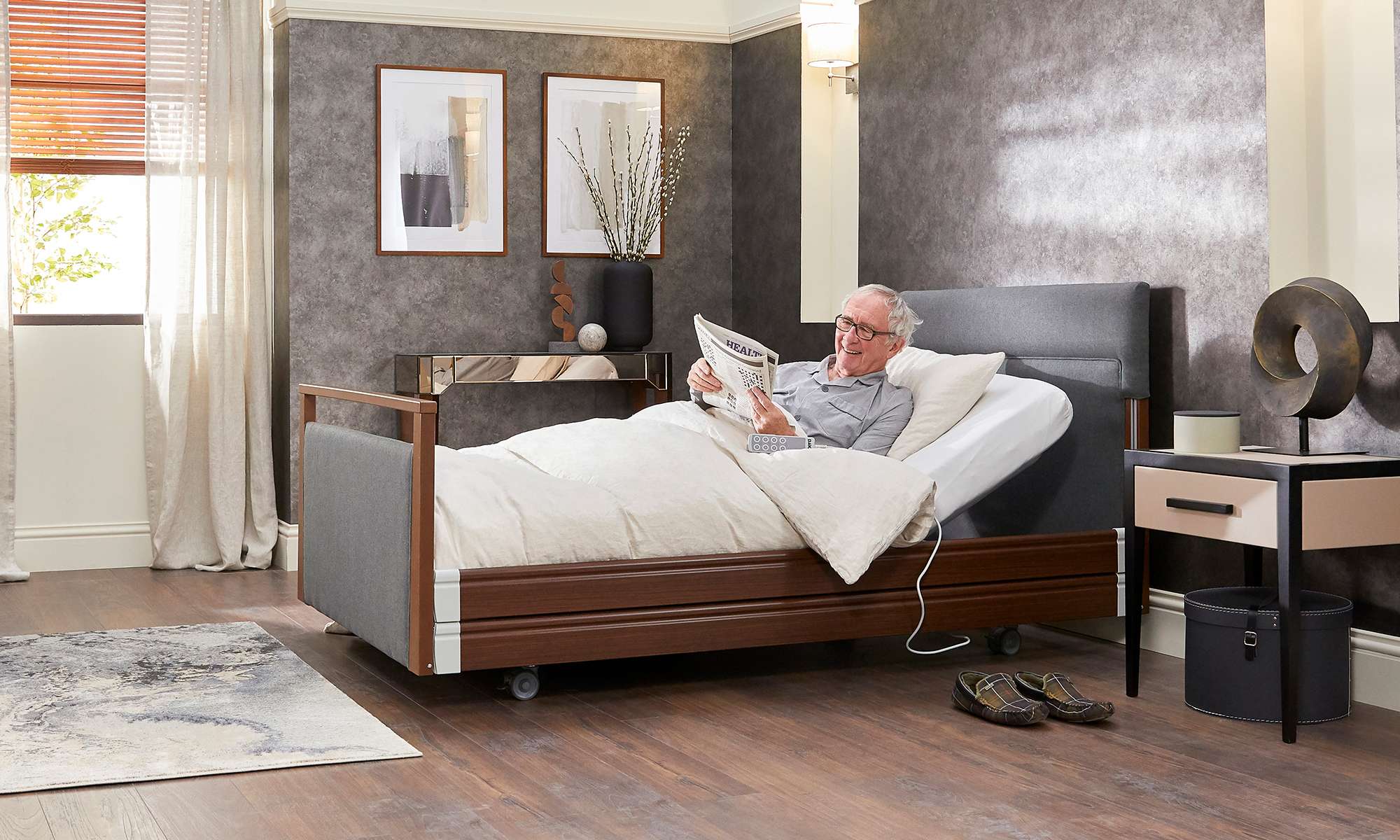
How to Get a Hospital Bed at Home: UK Guide

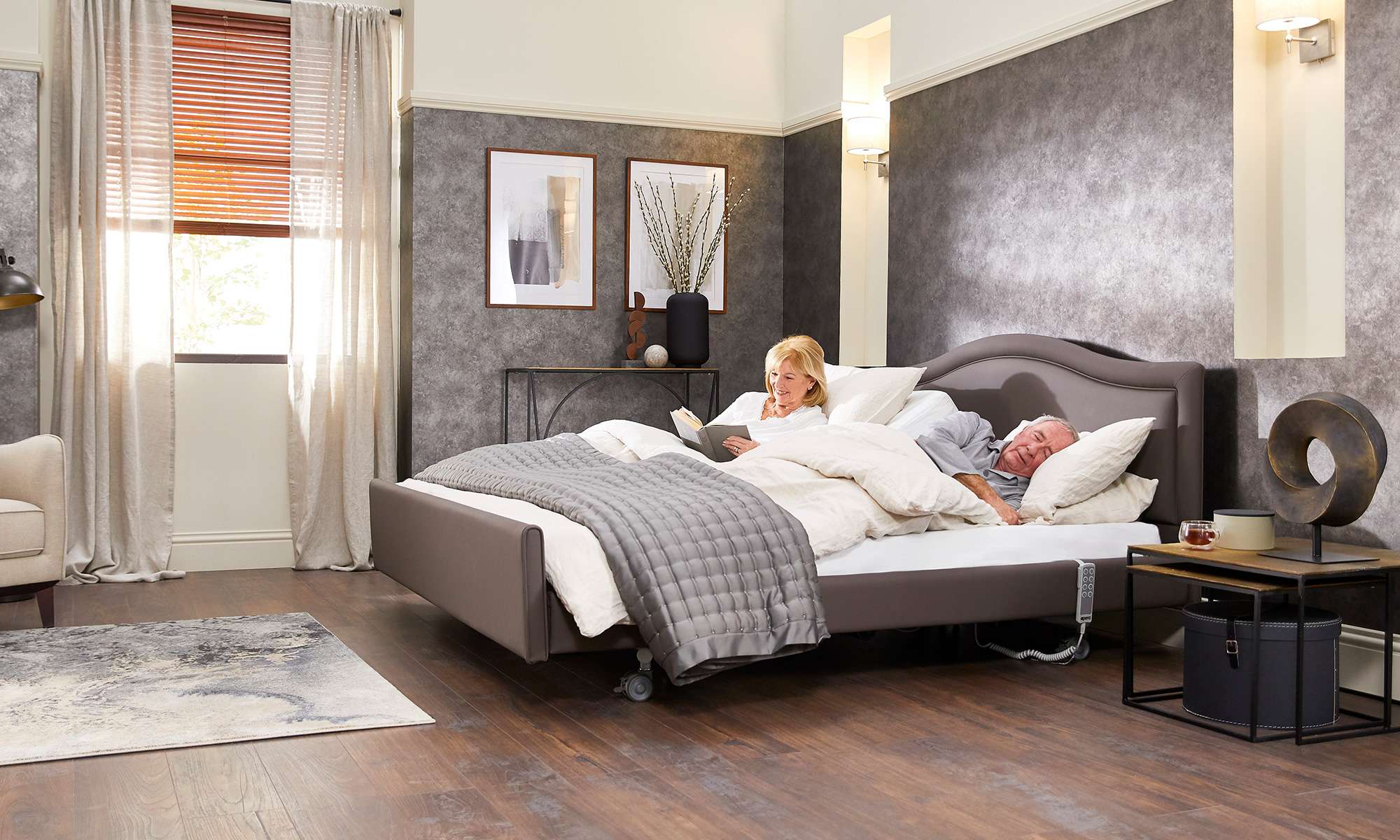
If you or someone you care for needs more support than a standard bed can provide, a hospital bed at home can make everyday care safer, more comfortable and more manageable.
Hospital-style beds are commonly used for people with reduced mobility recovering from hospital discharge, or individuals receiving community or palliative care.
Depending on your circumstances, you may be able to receive a bed on loan through the NHS or your local authority.
Jump straight to…
-
- What Is a Hospital Bed at Home?
- Who Needs a Hospital Bed at Home?
- Types of Hospital Beds for Home Use
- NHS Eligibility Criteria for a Hospital Bed
- How Long Does It Take to Get a Hospital Bed Through the NHS?
- Financial Help Available for a Hospital Bed
- Buy or Loan?
- How to Choose the Right Hospital Bed
- Need Help Choosing a Hospital Bed?
- Frequently Asked Questions
What Is a Hospital Bed at Home?
A hospital bed for home use is a specialist bed that provides greater positioning, transfer assistance and care support than a standard domestic bed.
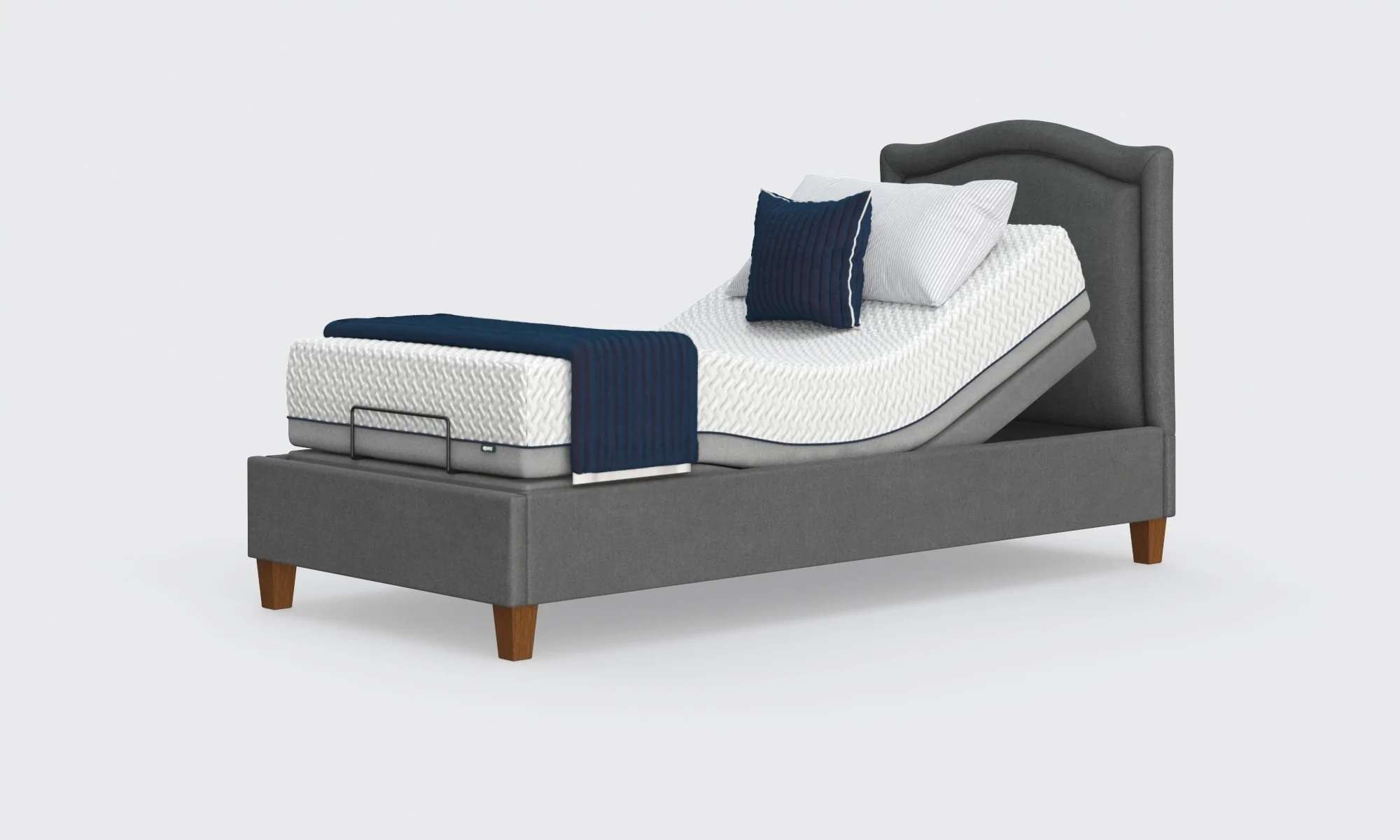
Many modern care beds are electric profiling beds. These have a motorised mattress platform that can raise and lower different sections of the bed, allowing the user to sit more upright, elevate their legs or find a more suitable resting position.
Height adjustment can also make it easier for someone with limited mobility to get in and out of bed, while allowing a carer or healthcare professional to work at a more suitable height.
Depending on the model, hospital bed features can include:
- Adjustable backrest and legrest
- Variable bed height
- Side rails or grab rails
- Lockable castors
- Profiling mattress platforms
- Compatibility with pressure-relieving mattresses
- Hoist access
- Electric handset controls
- Low-height positioning to reduce falls risk
Our range of beds includes hospital-style profiling beds designed for domestic environments, adjustable height, profiling back and leg sections, side-rail options and pressure-care mattresses.
Know what you're looking for?
Our specialists will help you find the perfect solution
Who Needs a Hospital Bed at Home?
A hospital bed may be more suitable where a standard bed does not provide the positioning, access or safety required.
A healthcare professional may recommend a specialist bed where someone:
- Has significantly reduced mobility
- Cannot safely get into or out of an ordinary bed
- Needs regular repositioning
- Is at increased risk of pressure damage
- Needs their head or legs elevated
- Requires assistance with personal care in bed
- Has recently been discharged from hospital
- Is receiving nursing or palliative care at home
- Requires moving and handling equipment
- Has a condition affecting their ability to transfer safely
- Has a body weight or size requiring a bariatric bed
The important point is that the bed should be specified around the person’s needs, rather than simply choosing the most advanced or expensive model.
An occupational therapist, physiotherapist, district nurse or other healthcare professional may assess how the person moves, transfers, sleeps and receives care before recommending equipment.
Types of Hospital Beds for Home Use
The right hospital bed depends on the mobility and clinical needs of the person, carer requirements, available space, user weight and the type of mattress required.
Electric Profiling Beds
Electric profiling beds are one of the most versatile options for home care.
The mattress platform is divided into sections that can be electrically adjusted, usually using a handset. The backrest can be raised to help someone sit up, while the leg section can be elevated.
Many profiling beds also have height adjustment.
This can be useful because the bed can be:
- Lowered to make getting in and out easier
- Raised to a more suitable working height for carers
- Adjusted to support different resting positions
- Used alongside certain hoists and other moving-and-handling equipment

Opera Signature Comfort Bed Vivid Care – Electric Profiling Bed
Low Beds
Low beds can be lowered close to the floor, for people who are at increased risk of falling out of bed or may benefit from having a lower height to the floor.
A low bed should not automatically be viewed as a replacement for other falls-prevention measures. The person’s overall needs, transfers, mattress, side rails and room layout should be assessed together.
We also offers low-footboard profiling options with adjustable height and profiling back and leg sections.

Signature Low Footboard Opera Bed
Bariatric Beds
Bariatric beds are designed for plus-sized users with a wider sleeping platform and higher safe working load than standard beds.
The bed, mattress, hoist and other equipment should all be suitable for the person’s weight and dimensions.
For example, the Signature Bariatric Profiling Bed has a 120cm-wide sleeping platform and a maximum user weight of 265kg, with a higher safe working load specified for the complete system.
Don’t select a bariatric bed based on weight limit alone. Width, transfer space, room dimensions, mattress compatibility and moving-and-handling requirements should also be taken into consideration.
Adjustable Beds vs Hospital Beds
The terms “adjustable bed”, “care bed”, “profiling bed” and “hospital bed” are sometimes used interchangeably, but they do not necessarily mean the same thing.
A conventional adjustable bed is primarily designed around sleeping comfort. A specialist profiling or hospital-style care bed generally provides a wider range of positioning and care-related functions.
A profiling bed may offer:
- Greater height adjustment
- Profiling back and leg sections
- Side-rail options
- Easier access for carers
- Compatibility with specialist pressure-care mattresses
- Features intended to assist transfers and moving and handling
Get Expert Advice Today
Our specialists will help you find the perfect solution
NHS Eligibility Criteria for a Hospital Bed
There is no single nationwide checklist that automatically entitles someone to a hospital bed.
Provision is generally based on an assessment of the person’s individual health, care, mobility and safety needs and the equipment considered necessary to meet those needs.
Examples of circumstances that may lead to a hospital bed being considered include:
- Difficulty getting into or out of a normal bed
- Significant mobility impairment
- Need for regular repositioning
- Pressure injury risk
- Need for specialist positioning
- Need for carers to provide care safely
- Hospital discharge requirements
- Palliative or end-of-life care
- Complex nursing needs at home
The exact process varies between different NHS services and local authority trusts.
Community equipment services commonly work with occupational therapists and other health and social care professionals to assess and provide equipment. For example, local community equipment services may provide hospital beds and pressure-relieving equipment on loan where eligibility criteria are met.
How to Apply for a Hospital Bed Through the NHS
If you think you or a relative needs a hospital bed at home, the following process is a useful guide:
Speak to Your GP or Healthcare Professional
Start by explaining why an ordinary bed is no longer suitable.
Describe practical problems rather than simply asking for a particular model.
For example:
- “I can’t get out of bed without assistance.”
- “My carer is struggling to provide personal care safely.”
- “I need to be repositioned regularly.”
- “I’m spending most of the day in bed.”
- “I’m being discharged from hospital and need specialist equipment at home.”
Your GP, district nurse, physiotherapist, hospital team or another healthcare professional should be able to refer you for an assessment.
Occupational Therapist Assessment
An occupational therapist (OT) will then assess the person’s needs. This can involve looking at:
- Mobility
- Transfers
- Falls risk
- Personal care
- Pressure risk
- Carer requirements
- The person’s bedroom
- Available floor space
- Access into the property
- Other equipment already being used
An OT may recommend a hospital bed as part of a wider equipment package.
NHS guidance explains that an OT can visit someone’s home, assess what they are struggling with and recommend appropriate equipment or adaptations.
Referral to Community Equipment Services
If specialist equipment is recommended, the healthcare professional may arrange for it to be supplied through the relevant local community equipment service.
The name and process varies between areas.
Some services provide equipment as a free loan for as long as it is required. For example, local authority community equipment services can supply hospital beds, mattresses and moving-and-handling equipment following assessment.
In some areas, hospital discharge teams can arrange equipment before the person leaves hospital.
Delivery and Installation
Once the equipment has been authorised and ordered, the equipment provider will normally arrange delivery.
Depending on the equipment and local service, installation may include:
- Positioning the bed
- Assembling the bed
- Checking its operation
- Explaining controls
- Setting up compatible accessories
- Checking that the bed can be used safely in the room
Hospital discharge teams may coordinate equipment delivery as part of discharge planning.
Maintenance and Reviews
NHS or local-authority equipment supplied on loan normally remains the responsibility of the equipment service.
If equipment becomes faulty, damaged or unsuitable because the person’s needs have changed, contact the service that supplied it.
If the person no longer needs the equipment, the provider will normally arrange collection so it can potentially be cleaned, serviced and reused.
Local community equipment services commonly provide servicing, repairs and collection arrangements.
Find Charitable Funding
Our specialists will help you find the perfect solution
How Long Does It Take to Get a Hospital Bed Through the NHS?
There is no single NHS-wide waiting time for a hospital bed at home.
Timescales can depend on the urgency of the person’s needs, the local community equipment service, and availability of the equipment.
Emergency Discharge Cases
Where a hospital bed is necessary for someone to leave hospital safely, equipment may be prioritised as part of discharge planning.
Hospital discharge services can arrange necessary equipment for a person returning home, although the exact process varies between hospitals and local services.
End-of-Life Care
People receiving end-of-life or palliative care may receive more urgent equipment provision where it is needed to support care at home.
If someone is receiving hospice or specialist palliative care, speak to their care team about equipment requirements as early as possible.
Financial Help Available for a Hospital Bed
If you cannot obtain a bed through the NHS or local authority, there are several potential sources of financial support.
NHS Continuing Healthcare (CHC)
NHS Continuing Healthcare is a package of care arranged and funded by the NHS for adults who are assessed as having a primary health need.
Eligibility is based on the person’s overall care needs rather than simply their diagnosis. The assessment considers factors such as the nature, complexity, intensity and unpredictability of their needs.
Local Authority Support
Your local authority’s adult social care service may be able to assess your needs and arrange equipment.
In some areas, community equipment is provided on loan and free of charge where the person meets the relevant criteria.
Charitable Funding
Some charities provide grants towards disability equipment or other costs associated with illness and disability.
Eligibility varies significantly between charities.
If you are considering buying a bed privately, check whether a relevant charity, hospice, benevolent fund or local organisation can contribute towards the cost.
VAT Relief
Certain specialist adjustable beds can qualify for VAT relief when supplied to an eligible disabled person for their own domestic or personal use.
In summary, you can get VAT relief on certain mobility products such as beds if you are chronically sick and disabled, and the goods are for your personal use. The VAT is deducted at source when you purchase the bed from the retailer, so you pay for the cost of the goods nett of VAT.
Buy or Loan?
If you need a hospital bed at home, there are two main options.
An NHS or local-authority loan can be the most cost-effective option if you qualify for this.
Our home-care profiling beds come in different widths, finishes and configurations, designed to look more like domestic furniture while including specialist positioning and care features.
Shop for Hospital Style Beds Online
Our specialists will help you find the perfect solution
How to Choose the Right Hospital Bed
Choosing a hospital bed should start with the person’s needs rather than the appearance or price of the bed.
User Mobility Needs
Consider the following:
- Can the person get into and out of bed independently?
- Do they need help transferring?
- Do they need the bed to go low?
- Do they need the bed raised for care?
- Do they need to sit upright?
- Do they need their legs elevated?
- Are they at risk of falling?
- Do they require a hoist?
Electric profiling and height-adjustable beds can provide more positioning options for people with reduced mobility.
Caregiver Requirements
If carers regularly need to:
- Wash or dress the person
- Reposition them
- Change bedding
- Assist with transfers
- Provide personal care
- Use a hoist
then bed height and access underneath the bed can be important considerations.
A bed that can be raised to a suitable working height may help reduce unnecessary bending during care tasks.
Room Size Considerations
Measure the bedroom before ordering.
- Overall bed length and width
- Space beside the bed
- Space at the foot of the bed
- Doorway widths
- Turning space
- Access for carers
- Space required for a mobile hoist
- Location of power sockets
- Whether the bed can be delivered through the property’s doors and corridors
A larger bariatric bed, for example, may require considerably more floor space than a standard single profiling bed.
Mattress Compatibility
The mattress is an important part of the overall system and needs to be flexible enough to move with the bed’s profiling sections. Specialist mattresses also provide additional pressure redistribution for people who spend prolonged periods in bed.
For someone at risk of pressure damage, mattress selection should be considered carefully and discussed with a healthcare professional.
We provide both comfort mattresses and pressure-care options designed for use with its profiling beds, including foam and alternating-air options for different levels of pressure-care requirement.
Need Help Choosing a Hospital Bed?
Choosing between an NHS loan or private purchase can be difficult, particularly when you also need to consider the mattress, room dimensions, mobility requirements and carer needs.
Recommended Products

Eden Premium Adjustable Bed
Built for reduced mobility users, the Eden adjustable bed is the perfect companion for someone looking to increase their comfort when sleeping.
Enquire About This Bed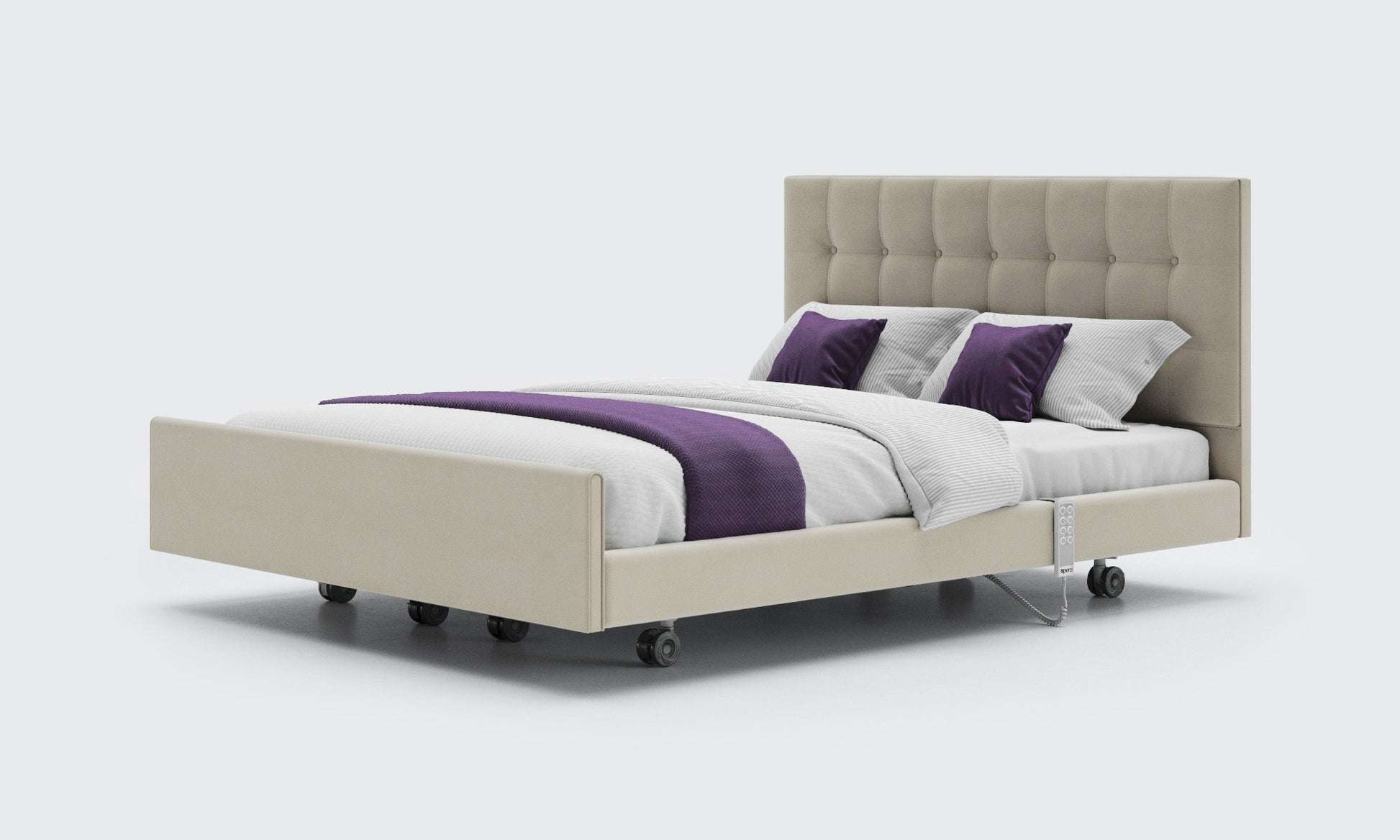
Signature Comfort Dual Profiling Bed
Two independently controlled profiling mattress platforms, Hospital level functionality with homely styling, Customisable aesthetics with various fabric colour and headboard style options, Height adjustment for easier care access, and for getting in and out of bed, Ergonomically designed with an easy-to-use handset.
Enquire About This BedFrequently Asked Questions